*We partner with bada$$ companies that offer products that help our readers achieve their goals! If you purchase through our partner links, we get paid for the referral at no additional cost to you! Please read our disclosure for more info.*
Picking the right seat is half the flight
Everyone has a story about the “worst seat ever.” Maybe it was the last row that would not recline, the middle seat wedged between two strangers, or the one right next to the bathroom where the line never ended. The funny part is this: most of those disasters were avoidable with a little seat strategy.
The truth is, best seats on a plane depends on what you want most. Some people care about getting off fast. Some want to sleep. Some want maximum legroom. Some want to feel less turbulence. Some want the quietest spot possible. And some just want to survive the flight without feeling cramped and annoyed.
In this guide, I’ll help you pick your seat like someone who flies a lot. We’ll cover where you should sit for comfort and legroom, the real differences in exit row vs bulkhead, how to find extra legroom seats without paying too much, where the best seat for turbulence usually is, and how to choose between aisle vs window seat depending on your travel style.
By the end, you will know exactly where to sit for your specific goals, not just generic advice like “avoid the back.”
Start here: decide your “seat priority”
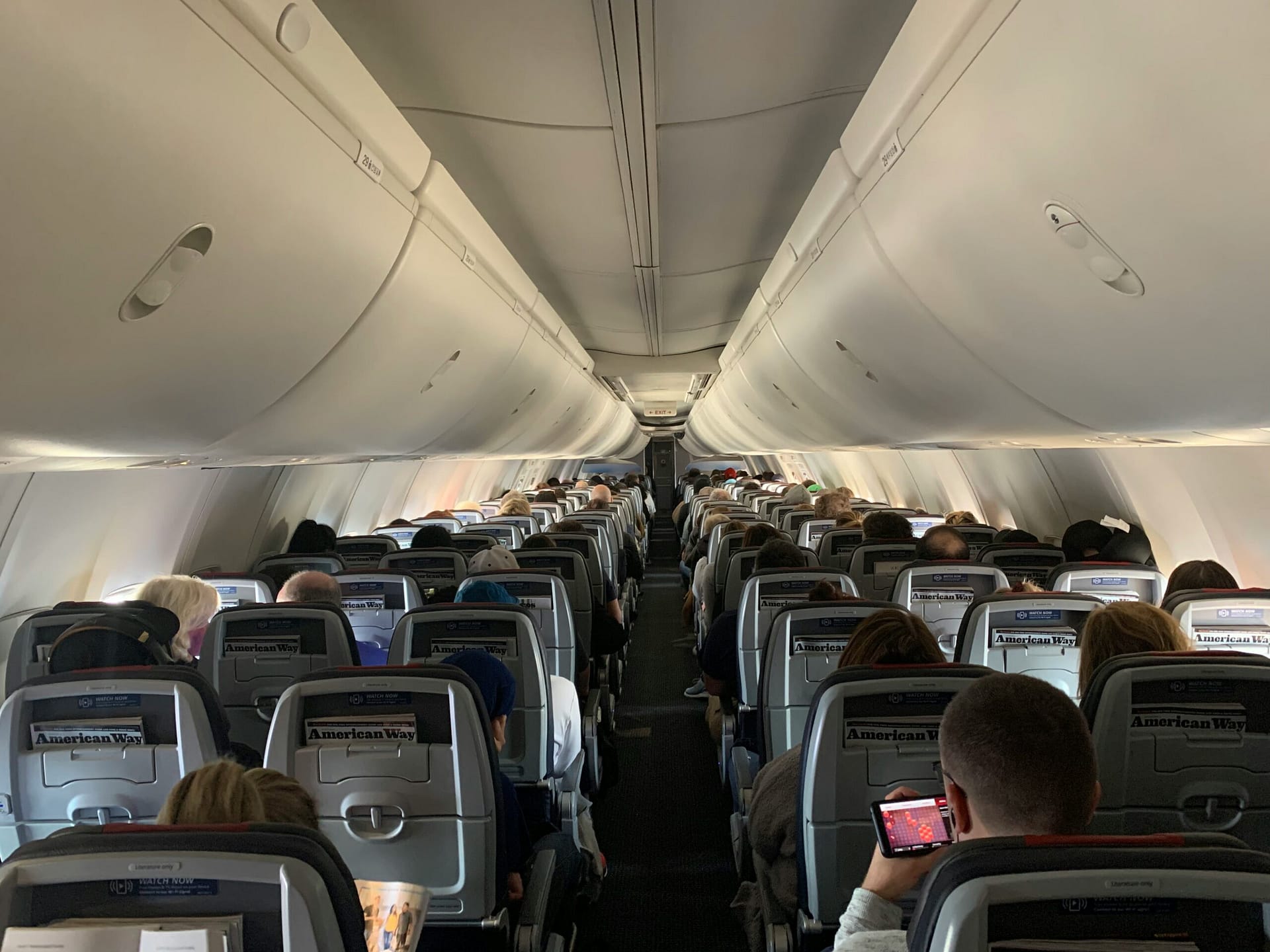
Before you even open a seat map, be honest about what matters most on this trip. A seat that is perfect for one person can be miserable for another.
Ask yourself:
- Do you want to get off the plane fast?
- Do you want to sleep?
- Do you want legroom more than anything?
- Do you hate being bumped by people walking past?
- Do you get anxious during turbulence?
- Are you traveling with a partner, kids, or a group?
- Do you need easy bathroom access?
Once you know your priority, choosing becomes much easier. You stop chasing the “best seat” and start choosing the best seat for you.
Related Article:
Understanding the plane layout (without overcomplicating it)
Most narrow-body planes (common for short and medium routes) have a single aisle with seats on both sides, usually in a 3-3 layout. Wide-body planes (common for long-haul) often have two aisles and layouts like 2-4-2, 3-3-3, or variations depending on the aircraft.
No matter the aircraft, the cabin tends to have zones:
- Front: usually less waiting to exit, sometimes quieter, sometimes more expensive.
- Middle: often near the wings and the plane’s center of gravity.
- Back: sometimes cheaper, sometimes louder, often slower to exit.
There are also “special” rows:
- Bulkhead rows: right behind a wall or divider.
- Exit rows: located next to emergency exits, often with more space.
- Rows near galleys: where crew prep food and drinks.
- Rows near lavatories: bathroom access, but also traffic and noise.
Knowing what these areas mean is how you avoid accidentally picking a seat that looks fine on a map but feels awful in real life. You can check your exact aircraft layout here
[the_ad id=”1034″]
The best seats for legroom
If legroom is your top priority, you are looking for seats that either have more pitch (distance to the seat in front) or more open space in front of you. This is where extra legroom seats come in.
Exit rows: the classic legroom upgrade
Exit row seats are famous for extra space, and many of them are great. But not all exit rows are equal, and some come with trade-offs.
Here is what can make an exit row amazing:
- More space to stretch your legs.
- Often less recline conflict, because there is more distance.
- Sometimes you get a better “open” feeling, especially on long flights.
Here is what can make an exit row annoying:
- You may have fixed armrests, so the seat can feel narrower.
- You may not be allowed to store a bag under the seat in front during takeoff and landing.
- Some exit row seats do not recline, depending on the layout.
- You must meet airline requirements (age, mobility, willingness to assist in an emergency).
When people talk about extra legroom seats, exit rows are usually the first thing they mean. Just make sure you check whether that specific exit row reclines and whether it has any odd restrictions.
Check your aircraft layout using this seat map tool.
Bulkhead rows: lots of space, but a different kind
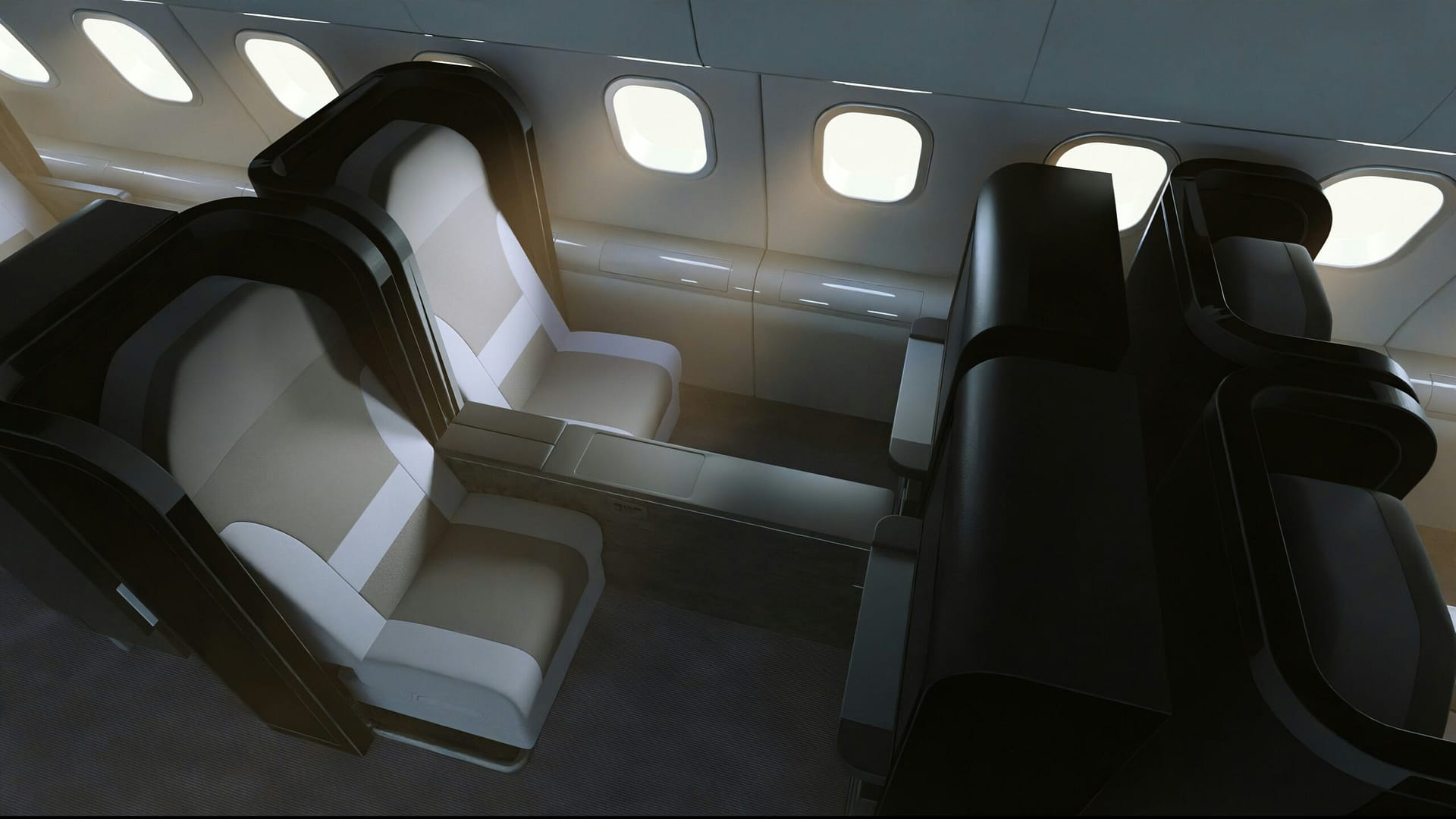
Bulkhead seats are located behind a wall, curtain, or divider. They often have extra space in front, but the experience is not the same as an exit row.
Pros:
- More knee space in many cases.
- No one reclines into you, which can feel great on longer flights.
- If you are in a premium cabin, bulkheads can feel private.
Cons:
- You often cannot store a bag at your feet during takeoff and landing.
- Armrests may be fixed, which can make the seat feel tighter.
- If the bulkhead is near a galley or bathroom, it can be noisy.
- On some planes, the tray table is in the armrest, which reduces seat width.
This is where the debate about exit row vs bulkhead gets real. Exit rows often give you more stretch-out space for your legs. Bulkheads can give you more knee room, but sometimes less ability to “sprawl” because of the wall position and fixed armrests.
The sneaky legroom winners: the “missing seat” rows
On some planes, a row might have fewer seats due to an exit configuration, a door, or a cabin layout change. That can create a seat with extra space or less crowding.
Sometimes these seats are priced as premium, sometimes they are not. Seat maps will show you the clue: a weird gap, a missing seat, or a row that looks different from the rest.
If you want best seats on a plane for comfort without paying top pricing, these odd rows can be a gold mine.
Related Articles:
- Turkish Airlines Business Class Review 2026: Seats, Food, Lounge, and Service
- Is Valle de Guadalupe Safe in 2026? What Tourists Need to Know
- Polaris Business Class Review: What United Polaris Is Really Like in 2026
- 21 Affordable US Vacations That Feel Way More Expensive Than They Are
- 19 Creepiest Haunted Destinations in America for Thrill-Seekers
When extra legroom is not worth it
Legroom upgrades make the most sense if:
- You are tall.
- You have knee or hip issues.
- You are on a longer flight.
- You know you will feel cramped in standard seats.
If you are on a short flight, or you can handle standard pitch fine, paying extra for extra legroom seats can be unnecessary. Save that money for longer segments.
The best seats for sleeping
Sleeping on a plane is already hard. You have limited space, weird lighting, and someone always seems to need the aisle. But the right seat can make a huge difference.
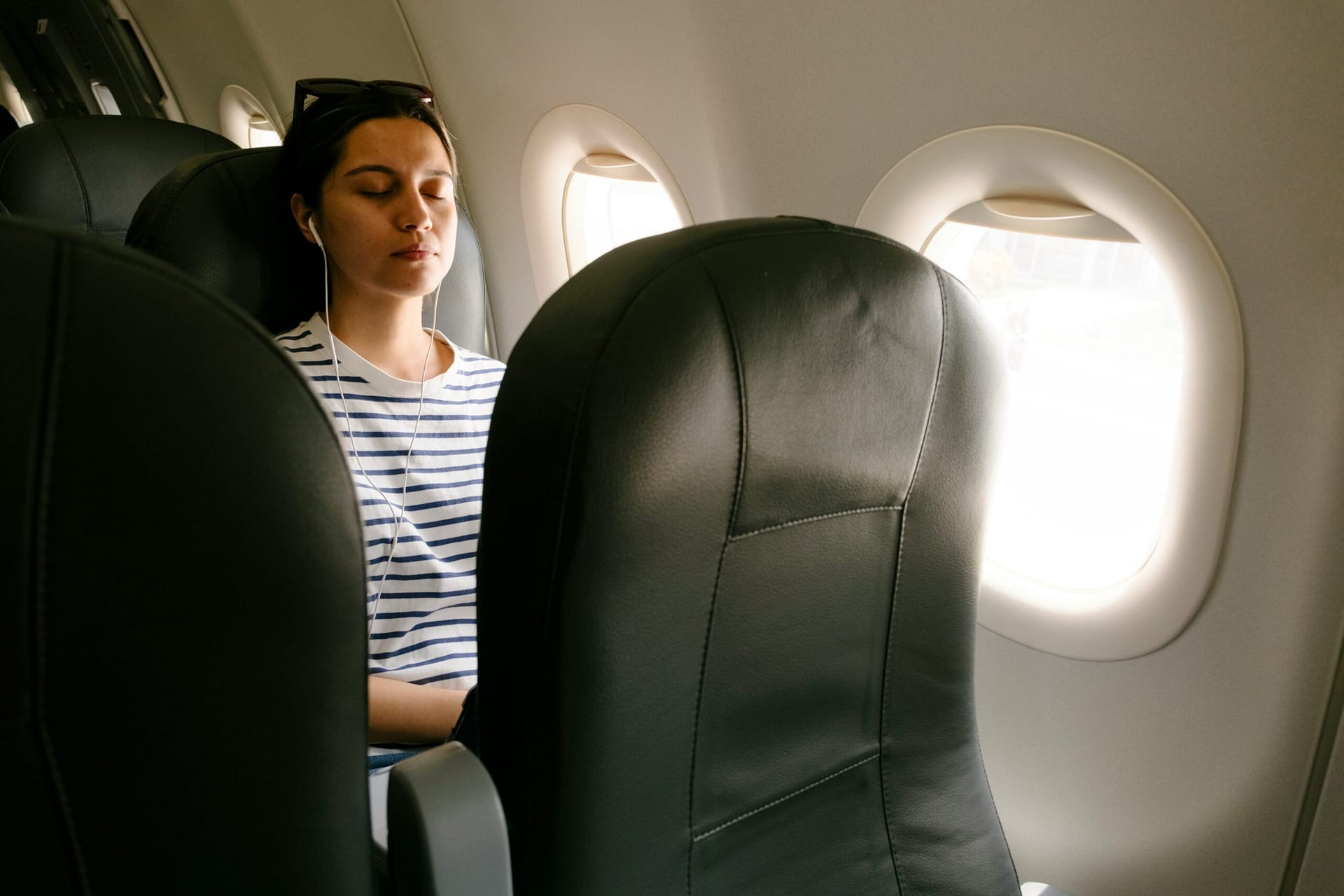
Window seats are usually better for sleep
In the aisle vs window seat debate, the window seat usually wins for sleeping because:
- You can lean against the wall.
- You are not getting bumped by people walking past.
- You do not have to get up for others as often.
If you know you want sleep, choose a window seat away from high-traffic areas.
Avoid seats near the bathroom if sleep matters
Seats near lavatories can be rough for sleeping. Even if the bathroom door is not right next to you, the line might form near your row. People talk quietly, shuffle bags, and hover. The flush noise and door clicks can also be constant.
For sleep, pick a seat that is not near:
- Lavatories.
- Galleys.
- Crew rest or service areas (on long-haul planes).
The “quiet zone” is often forward, but not always
In many cabins, the front can feel quieter because there is less foot traffic from people heading to the bathroom, and you are further from the engine noise on some aircraft. But on other aircraft, the front can be busy because it is near a galley or where crew start service.
The real sleep move is not “front or back.” It is choosing a row that is not near a bathroom or galley, and preferably not right at the start of the cabin where crew gather.
Bulkhead seats and sleep: love them or hate them
Some people love bulkheads for sleep because nobody reclines into them. Others hate them because of fixed armrests and having to store bags overhead during takeoff and landing.
If you like having your stuff at your feet, bulkhead can be annoying. If you hate the feeling of someone’s seatback in your face, bulkhead can feel like freedom.
Again, exit row vs bulkhead depends on your personality and what annoys you more.
Best Gear for Sleeping on a Plane
Cabeau Evolution S3 Travel Pillow
If you’ve tried a dozen travel pillows and hated all of them, this one will probably surprise you. The support is solid and the straps stop your head from bobbing around when you drift off.
Trtl Travel Pillow Plus
Light, compact, and great for people who sleep better with firmer support. It wraps around your neck like a soft brace and keeps everything aligned.
👉 See it on Amazon
MZOO Memory Foam Sleep Mask
This is the upgrade most people don’t realize they need. It blocks out cabin light completely and feels comfortable enough to wear for hours.
👉 View on Amazon
Bose QuietComfort 45 Noise-Cancelling Headphones
If noise keeps you awake, these are the closest you’ll get to silence in economy. Great battery life, reliable comfort, and perfect for long hauls.
👉 Check availability on Amazon
Cozy Earth Travel Blanket
Warm, soft, and way better than the scratchy blanket the airline hands out. Packs easily and makes overnight flights much more bearable.
👉 See details on Amazon
The best seats for getting off the plane fast
If you have a tight connection, or you just want to be done with the flight as soon as possible, sit forward.
Front of the cabin is usually the fastest exit
Most planes deboard from the front. That means rows closer to the front usually exit first.
If time matters, pick:
- A seat close to the front.
- Preferably an aisle seat, so you can step out quickly once the row moves.
In the aisle vs window seat comparison, the aisle seat is usually better for a fast exit. You can stand up and grab your bag as soon as the aisle clears.
The exception: planes that deboard from both doors
Some airports and airlines use stairs at both front and back for boarding and deboarding. In that case, sitting near the back can get you off faster.
But you cannot always predict this. If you must plan for speed, front is still the safer bet.
How to choose a “fast” seat without paying premium prices
If the front rows cost extra, look for the first few rows of standard economy behind any premium or preferred section. These are often cheaper than the “front cabin” pricing but still significantly faster than the back.
You still get the benefit of being forward without paying the highest seat fees.
The best seat for turbulence (and nervous flyers)
A lot of people want to know where the best seat for turbulence is. Let’s keep it simple and real.
Turbulence is normal. It can be uncomfortable, but it is rarely dangerous. Still, comfort matters, and seat location can help.
The smoothest ride is usually near the wings
If you imagine a seesaw, the further you sit from the middle, the more movement you feel. On planes, the center of gravity is often around the wing area. That means seats near the wings tend to feel less up-and-down motion compared to the front or back.
So if you want the best seat for turbulence, aim for:
- Rows over or near the wings.
- A little forward of the wings can also feel stable.
Back of the plane often feels more bumps
This does not mean it is unsafe. It just often feels more intense because you are farther from the center.
If turbulence makes you anxious, avoid the last rows when possible.
Aisle vs window seat for turbulence anxiety
This is personal, but many nervous flyers prefer the aisle because it feels less “trapped.” You can stand up, stretch, and you do not have the wall on one side. Others prefer the window because they can lean and settle in, and they feel more contained.
If turbulence is your concern, seat location in the cabin matters more than aisle vs window seat. But if you feel claustrophobic, aisle can help. If you feel calmer leaning into the side, window can help.
Extra tip: choose a seat with a clear view of a wing
For some anxious flyers, seeing the wing can be calming. You can watch it flex and realize the aircraft is doing what it is designed to do. For others, it makes them more nervous. Know yourself.
The best seats for avoiding noise
Noise can make a flight feel longer than it is. The loudest areas are often:
- Near engines (especially on some aircraft where engines are close to the cabin).
- Near galleys.
- Near lavatories.
Engines: front, middle, back, what is actually quieter?
It depends on the aircraft. In general:
- If engines are under the wings, seats forward of the wings can be quieter than seats right next to them.
- If engines are near the tail, the back can be louder.
For a calmer experience, try to sit away from the engine area and away from service zones.
Galleys and bathrooms create “human noise”
Even if you are not near the engines, you can have a loud flight if you are near:
- The beverage cart staging area.
- Crew chatting during breaks.
- Bathroom doors opening and closing.
- People lining up, shifting, and bumping seatbacks.
This is why a seat map alone is not enough. Think about what is around your seat.
The best seats for couples and friends
If you are traveling as a pair, you can make your flight more comfortable with smart pairing.
If the plane is 3-3, pick window + aisle in a row with an empty middle chance
This is a classic move when the flight is not full: one person takes the window, the other takes the aisle, leaving the middle open. If nobody books it, you both win.
If someone does book it, you can often offer to swap so they can sit with the person next to them. Most people will happily trade a middle seat for either a window or an aisle.
This tactic can help you get close to the best seats on a plane feel without paying for premium seats.
When sitting together matters more than seat type
If you are traveling with someone who gets anxious, or you want to talk, sitting together might be the priority. In that case, pick two seats next to each other and decide whether your preference is the window side or aisle side.
In aisle vs window seat terms for couples:
- Window + middle can be better for sleep and feeling tucked away.
- Aisle + middle can be better for bathroom access.
The best seats for families with kids
Family seating has a different logic. You are managing movement, snacks, bathroom trips, and keeping kids comfortable.
Aisle access becomes important
With kids, aisle access can save you. Bathroom trips happen suddenly. Little legs get restless. Being able to step out quickly matters.
Avoid the last row if possible
Last rows can be tough for families because:
- They are often close to lavatories, meaning constant traffic.
- Seats may not recline.
- Service can feel more chaotic.
Consider bulkhead for infants (with a warning)
Some bulkhead rows allow bassinets, which can be a huge win for parents with babies. But bulkhead seats also have the storage restriction during takeoff and landing, and fixed armrests can make handling a baby trickier.
If you are choosing between exit row vs bulkhead as a family, remember exit rows usually come with restrictions that may not allow children in those seats.
The best seats for tall travelers
If you are tall, “standard economy” can feel like a punishment on anything longer than a short hop.
Your best bets:
- Extra legroom seats in exit rows, if the seat reclines and rules work for you.
- A good bulkhead seat, if you can handle the storage limits.
- Premium economy, if the price difference is reasonable.
Exit row vs bulkhead for tall people
If we are comparing exit row vs bulkhead specifically for tall travelers:
Exit rows often allow more leg extension forward.
Bulkheads can give knee room but sometimes force you to angle your legs because of the wall or seat design.
If you have long legs and you want to stretch them out, exit rows usually win. If you want to avoid someone reclining into you and you can live with fixed armrests, bulkhead can still be great.
The best seats for people who hate being disturbed
If you hate being interrupted, you want control over your space.
Window seats reduce interruptions
Again, in aisle vs window seat, window wins for fewer interruptions. You will not need to stand up for others as often.
Pick rows away from busy zones
Even a window seat can be annoying if it is next to a bathroom. Pick a window seat in a quieter section, ideally away from lavatories and galleys.
Avoid seats near the “service pivot”
On many flights, crew start service from a galley and work through the cabin. Certain rows become the pivot point where carts turn, pause, or reset. These areas can have extra noise and delays. You cannot always predict it, but being mid-cabin and not right next to a galley often helps.
The best seats for people who want bathroom access
If you have a small bladder, you are pregnant, you have a medical condition, or you just do not want stress about getting up, you might prefer the aisle.
Aisle is usually better for bathroom freedom
In aisle vs window seat, aisle is the clear winner for bathroom access. You do not have to ask people to move.
Do not sit right next to the lavatory unless you must
Being close to the bathroom is convenient, but too close can be miserable. The sweet spot is being within a few rows, not directly beside it.
That way you can get there quickly without living inside the bathroom line.
Seats you should usually avoid (unless you know what you are doing)
There are seats that look normal but often disappoint.
The very last row
Common issues:
- Limited recline or no recline.
- Close to lavatories.
- More noise and traffic.
- Slower to exit.
Sometimes last-row seats are fine on short flights, especially if you got them cheap. But for long flights, they are rarely among the best seats on a plane.
Seats near galleys
The galley is not just a kitchen. It is also where crew gather, where carts are staged, where trash is collected, and where lights can stay on longer.
If you want sleep or quiet, avoid galley-adjacent seats.
Seats with “weird” window alignment
This is a small thing, but it matters if you like looking outside or you want to lean against the wall. Some window seats have a misaligned window, meaning the window is behind you or not where you expect.
If you care about the view, check the seat map carefully and look for known oddities on that aircraft type when you can.
The middle seat, unless it is strategically chosen
Nobody loves the middle seat. But there are a few situations where it is tolerable:
- Short flights.
- When you are sitting between two people you know.
- When the plane is not full and the row might stay empty.
In general, if you can avoid it, do.
How to get better seats without paying too much
Sometimes the best seats on a plane cost more. But there are smart ways to improve your odds without throwing money at the airline every time.
Book early when seat choice is included
Some fares include seat selection. If your fare includes it, selecting earlier gives you more options.
Choose flights at less popular times
Flights during peak hours, weekends, and holidays fill up faster. If you fly at off-peak times, you may have more seat options, and sometimes fewer people means a more comfortable cabin.
Check in early
Even if you did not pay for seat selection, early check-in can improve your choices. Many airlines release better seats at certain times, and being quick can matter.
Consider paying for the seat on long flights only
A good strategy is to pay for extra legroom seats on flights that are long enough to justify it, and accept standard seating on short flights.
This keeps your travel budget sane while still upgrading where it actually matters.
Use the “couple trick” on emptier flights
As mentioned earlier, window + aisle in the same row can sometimes give you a whole row if the middle stays empty. It is not guaranteed, but when it works, it feels like a free upgrade.
Seat selection by flight type: short-haul vs long-haul
Your seat priorities should change based on the length of the flight.
Short-haul flights
On short flights, comfort matters less than convenience. You might prioritize getting off quickly, or you might not care at all and just want the cheapest option.
For short flights:
- Front-of-cabin aisle can be great for speed.
- A standard window can be fine if you like to relax.
Medium-haul flights
This is where legroom starts to matter more, and turbulence comfort can matter more.
For medium flights:
- Aim near the wings for the best seat for turbulence feel.
- Consider extra legroom seats if you are tall or easily uncomfortable.
Long-haul flights
On long flights, small annoyances become big annoyances. Seat choice can make the difference between arriving okay and arriving wrecked.
For long flights:
- Window seats away from bathrooms and galleys can be great for sleep.
- If you cannot sleep upright, consider extra legroom seats or a seat that lets you shift positions.
- If turbulence makes you anxious, aim mid-cabin near the wings.
Quick “best seat” recommendations based on your goal
Let’s turn this into practical choices.
- If you want to sleep: choose a window seat in a quiet area, away from lavatories and galleys.
- If you want to get off fast: choose an aisle seat as far forward as you can reasonably afford.
- If you want legroom: prioritize extra legroom seats, compare exit row vs bulkhead, and confirm recline and storage rules.
- If you hate turbulence: aim for the best seat for turbulence feel near the wings and mid-cabin.
- If you want bathroom freedom: aisle seat, but not directly next to the lavatory.
- If you want quiet: avoid engines where possible, and avoid galleys and bathroom rows.
That is it. Seat selection is not mysterious. It is just matching your seat to your goal.
FAQs
What are the best seats on a plane overall?
The best seats on a plane depend on your priority. For legroom, extra legroom seats in exit rows or certain bulkhead seats can be excellent. For sleep, a window seat away from bathrooms and galleys usually wins. For a smooth ride, the best seat for turbulence is often near the wings.
Is an exit row always better than a bulkhead?
Not always. In the exit row vs bulkhead comparison, exit rows often offer more leg extension space, but some do not recline and may have restrictions. Bulkhead seats can feel spacious and prevent recline into you, but often come with fixed armrests and limited under-seat storage during takeoff and landing.
Where is the best seat for turbulence?
The best seat for turbulence is typically near the wings and mid-cabin because it is closer to the plane’s center of gravity. The back can feel more movement, even though it is still safe.
Aisle vs window seat: which one should I choose?
In aisle vs window seat, aisle is best for bathroom access and fast exit, while window is best for sleep, fewer interruptions, and having a wall to lean on. Choose based on your habits, not what other people prefer.
Are extra legroom seats worth paying for?
Extra legroom seats are worth it if you are tall, uncomfortable in standard seats, or flying long-haul. On short flights, the upgrade might not be necessary unless you really value space.

Hi, I’m Bruno. I’ve worked in the aviation industry for over 6 years as a B1.1 Licensed Aircraft Maintenance Engineer. This blog is where I share insights on aviation and travel globally.