*We partner with bada$$ companies that offer products that help our readers achieve their goals! If you purchase through our partner links, we get paid for the referral at no additional cost to you! Please read our disclosure for more info.*
Have you ever booked a “premium” hotel only to realize you’re trapped in a business district three miles from the nearest decent coffee shop? That’s what might happen, if you choose the wrong hotel from the World Of Hyatt portfolio.
This time, we’re going to compare Hyatt Centric vs Hyatt Regency.
Hyatt Centric is specialized for tourism; Regency is for professional use. While they cost the same most of the time, the experience on the ground is night and day.
We’ve cut through the corporate branding to compare the things that actually matter: how close you are to the action, the quality of the service, and where you’ll get the most out of your points.
Overview Of Hyatt Centric
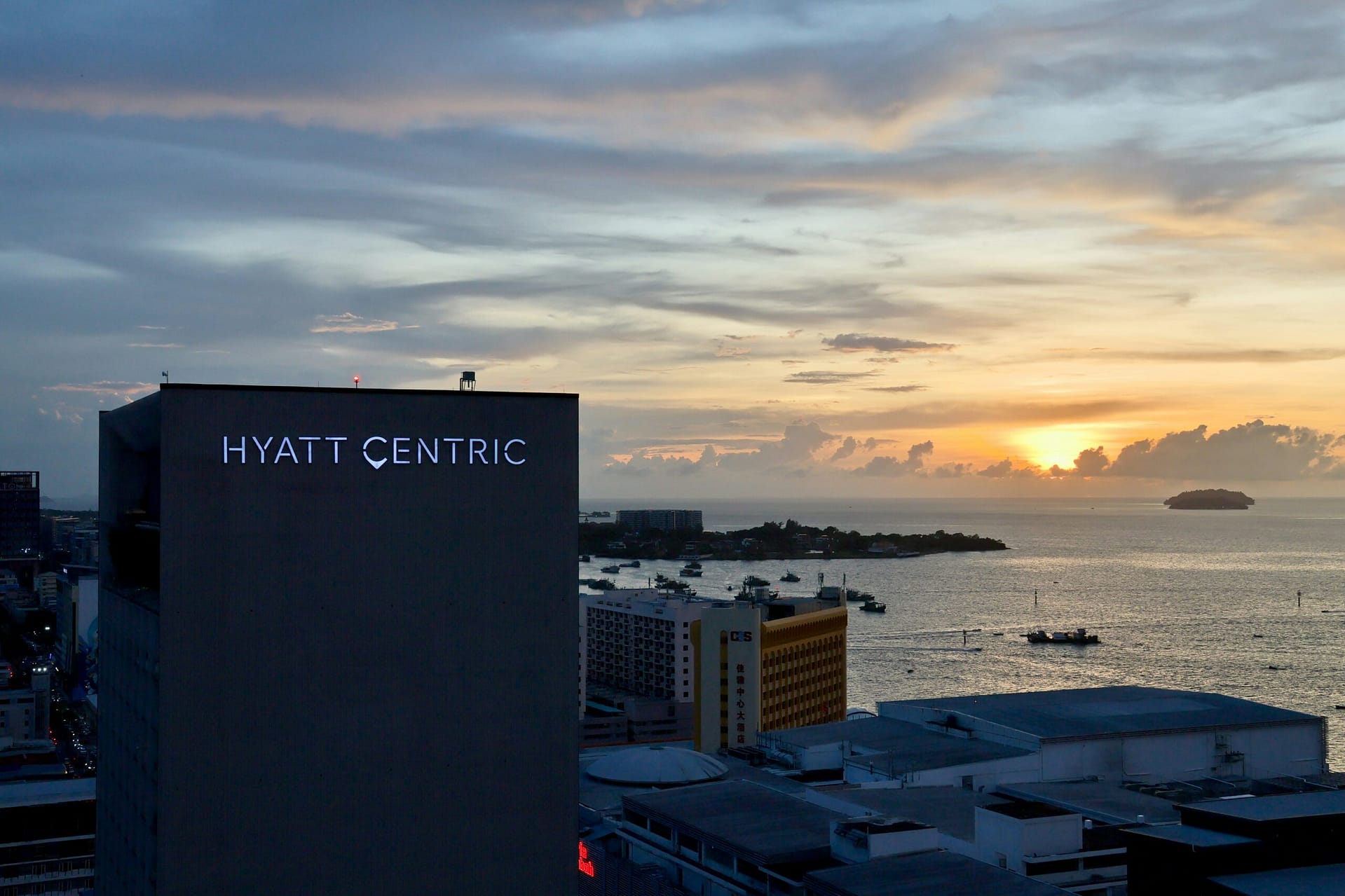
Hyatt Centric hotels are always in main areas, optimized for sightseeing travelers.
Since the launch of Centric in 2015, Hyatt has designed those properties to match their neighborhoods. The layouts are modern and relaxing, and the service is simple.
It’s a nice way to get a local experience without losing the consistency of a big brand.
Overview Of Hyatt Regency
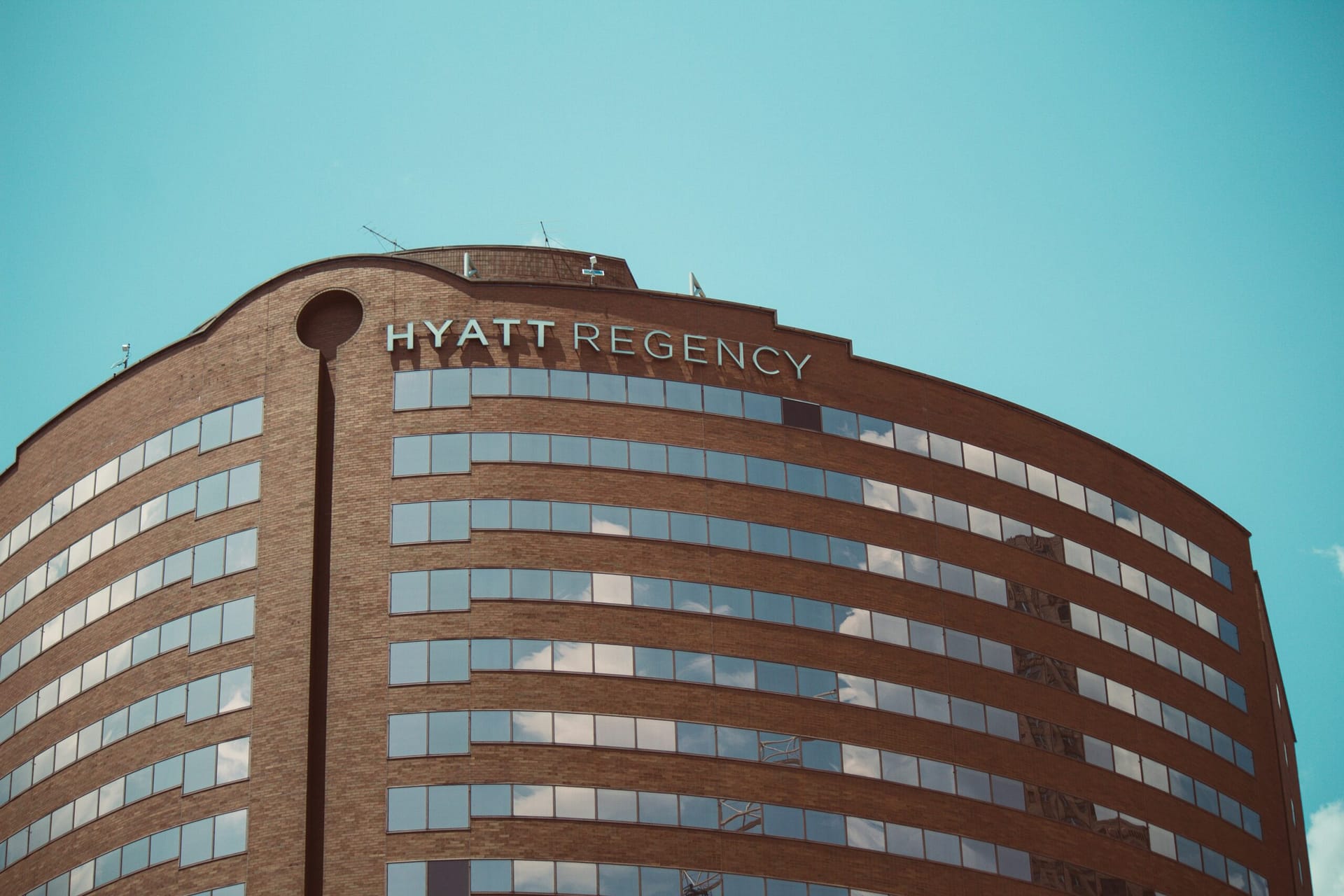
Hyatt Regency is basically the gold standard for a smooth business stay.
For Regency, it all started in 1967 in Atlanta, and today they’re all over the world. They put these hotels in spots that make sense for work- like near big convention centers.
It’s built for scale- with large rooms and staff that doesn’t get overwhelmed when it’s packed. It’s reliable for work, too, since there’s always a spot in the lounge or a desk in your room to settle into.
Hyatt Centric vs Hyatt Regency: Table Overview
Both brands are at the premium tier, so expect the differences in some factors to be minor. Here’s a quick look at everything together.
| Factor | Winner | Hyatt Centric | Hyatt Regency |
| Closeness to Attractions | Centric | Close to local sights, restaurants, and shops | Near airports, convention centers, or resorts; attractions farther away |
| Traveler Profile | Tie | Travelers who like exploring and city life | Business travelers, families, and convenience-focused guests |
| Room Comfort | Regency | Stylish, modern, quality can vary | Consistent, spacious, practical |
| In-Room Amenities | Tie | Media, Wi-Fi, some local art | Work desks, closets, functional setup |
| Food & Drinks | Regency | One restaurant or bar on-site | Multiple restaurants, bars, breakfast buffets |
| On-Site Facilities | Regency | Basic gym, small social areas | Large gym, pool, spa |
| Noise & Privacy | Tie | Can be noisy; some soundproof rooms | Inconsistent; depends on location |
| Wellness Options | Regency | Basic fitness areas, personal setups | Full-time gym, pool, recovery facilities |
| Check-In Convenience | Tie | Standard Hyatt protocol; digital options | Standard Hyatt protocol; digital options |
| Service Quality | Regency | Personal, varies by property | Reliable and consistent |
| Price & Value | Regency | More expensive because of luxury features | More affordable because of standardized features |
| Service, Loyalty & Perks | Tie | Experience-focused extras | Practical extras like lounges and breakfast |
Hyatt Centric vs Hyatt Regency Review: The Full Comparison
Now, let’s go into more detail about the main differences.
Location / Closeness To Attractions
Winner: Hyatt Centric
Hyatt Centric is much closer to major tourist attractions; that’s not an accident. It’s part of the location strategy for the brand.
Hyatt’s intention with Centric is to target travelers who might come to the city to check out the neighborhood itself.
The brand specifically places its properties in dense urban districts, where main points are clustered together.
Look at the Hyatt Centric in North Point, Hong Kong. You’re right by the MTR and the local markets, in a neighborhood that’s always been busy. The brand just drops you right into the action.
Hyatt Regency has a different logic. Their properties are placed near major traveler hubs, such as airports or convention districts.
For example, Hyatt Regency Orlando is beside the Orange County Convention Center- that’s good for events, but Universal Orlando and Walt Disney World are miles away.
Of course, there are exceptions- take the property on Waikiki beach as example; it’s the same deal as Centric. You can get walk out from this Regency hotel and find yourself on the sands in less than a minute.
Generally, if you want to wander the streets, Centric is better. Regency is for business and easy access to shuttles.
Traveler Profile
Winner: Tie, based on needs.
The travelers that really “get” Hyatt Centric are the curious and culturally oriented. It’s made for Millennials, Gen Z, and wider multigenerational groups- anyone who enjoys blending leisure and business.
Hyatt Centric is for people who value style, urban energy, and chances for local discoveries. The property’s design encourages guests to include the city in their stay.
Usual guests for Hyatt Centric include:
- Solo travelers or couples
- Tourists who like to walk and discover hidden spots
- Anyone who wants a “neighborhood experience” rather than just a hotel stay
Meanwhile, the Hyatt Regency brand is built around utility.
You can feel that when you walk into one of the properties: big lobbies and dedicated workplaces. The service focuses on efficiency. There are meeting planners on-site and event spaces that can hold groups of hundreds.
That’s why the brand fits business travelers, families with conference or banquet needs, and travelers who want predictable service.
Usual guests for Hyatt Regency include:
- Business travelers attending meetings or conventions
- Families visiting multiple far away points of interest
- Anyone who prioritizes transport, airport access, or convenience over walking
Room Comfort
Winner: Hyatt Regency
Hyatt Centric rooms are more modern and design conscious.
Most travelers see the rooms as stylish, with big rooms and better finishes. The layout is made with downtime in mind, not just sleep.
Some locations have views that become the highlight of the experience, especially with ocean view rooms or balconies.
For example, the Hyatt Centric Times Square New York has rooms that look out over Midtown’s dense skyline. At night, the theater district lights the windows and give the room a different vibe.
In short, Hyatt Centric rooms are the perfect place to unwind between outings, not just simple places to sleep and plan. Room upgrades or suite upgrades can further enhance the experience.
However, these style options come with a downside; less consistency. Sometimes there might be maintenance issues, or some rooms might fail to live up to expectations. The design philosophy focuses on contextual design, which makes it harder to maintain the same quality between cities.
Hyatt Regency is more consistent in room design. There’s no flair, but the rooms still have a minimalistic beauty. Most of all, they are spacious and work friendly.
Many Regency rooms come with king beds, sleeper sofas, or oceanfront options. Practical layouts and enough power outlets make them reliable for both casual guests and business travelers.
According to many seasoned travelers online, Regency rooms and suites can even outdo Centric’s because they are larger and better maintained over time. That often makes them more comfortable despite the simpler look.
Service Quality
Winner: Hyatt Regency (for consistency), though Centric can feel more personal
At Hyatt Centric, the service is meant to feel warm and personal. The staff are experienced and well-versed in local knicknacks.
The brand has employees act like local guides. In many cities, if you want to know about quiet but charming spots or shortcuts to transit, just ask the front desk.
These people might remember your name, adjust room preferences without being asked, and chat about local events.
Of course, this also comes with the same curse of inconsistency. Every Centric property won’t hit the mark. The brand lets each hotel express its own personality, which means some locations feel less polished.
It’s not uncommon to come across staff who only follow standard procedures instead of guiding you through the experiences described above. Unless the property has strong ratings, it can be a gamble.
In other words, how good the service feels depends a lot on the property and the management team.
Hyatt Regency is the opposite: services are steady, reliable, and efficient.
The staff get the basics right. They check you in quickly, handle late check-outs, and manage complicated requests like large group bookings. They may not offer hidden local tips, but they make sure things run.
The Hyatt Regency Hong Kong, Sha Tin is a prime example.
There are reviews pointing out staff are friendly and helpful with basics like restaurant tips or water filters. The rooms are also maintained well, with minimal issues.
Price And Value
Winner: Tie (depends on whether you value location/design vs space/service)
Due to both being upper-upscale options, the prices of Hyatt Centric and Hyatt Regency overlap. Centric is more about city locations and lifestyle.
Regency is bigger, full-service hotels in business or convention areas.
Centric rooms cost $150-$350, with suites up to $500. Regency rooms start at $180 and are higher on busy days.
What you get for the price is different. Centric focuses on location and design. Regency focuses on space, service, and amenities. Both can cost about the same, but the stays feel different.
If you’re a loyalty traveler, you can also use points to book either brand. Centric is often cheaper in terms of points for an award stay, while Regency can offer larger rooms or suites for redeem points redemptions.
Globalist members can take advantage of suite upgrades and GOH award nights at both brands, adding extra value beyond the cash rate.
Service, Loyalty, and Perks
Winner: Tie (Centric for experience-focused, Regency for practical perks)
The perks of both brands target different goals.
Hyatt Centric is about improving the experiences, while Hyatt Regency has more basic but consistent perks.
Hyatt Centric has simple services. Wi-Fi and in-room tech work well, but the overall setup is lighter. Full room service isn’t always available, and large business facilities are uncommon.
Some locations have a pool or hot tub, but these extras aren’t the main focus.
Hyatt Regency runs on a larger service setup. These hotels handle conferences, work trips, and bigger groups, so facilities are broader.
Full room service is common, concierge staff are easy to find, and parking is simpler- self-park or valet. Many locations also include a club lounge for guests with access, plus breakfast and sometimes a short evening happy hour.
Both brands are part of World of Hyatt, so loyalty works the same way. Points can be used for award stays at either brand, and perks like GOH awards or suite upgrades apply when booking.
At Centric, loyalty benefits appear as occasional upgrades depending on availability. At Regency, perks like the club lounge make benefits easier to use during the stay.
When to Go to Hyatt Centric
Centric is ideal when being in the heart of the city matters.
- During trips focused on exploring the local places.
- When evenings are spent socializing or relaxing in hotel common spaces.
- On stays where in-room entertainment is used for downtime.
- In situations where some city noise is acceptable.
When to Go to Hyatt Regency
Regency works best when space and predictable hotel logistics are priorities.
- While traveling with families, groups, or colleagues.
- During business trips or events requiring reliable facilities.
- On stays that involve time spent at the hotel using its amenities.
- In cases where a quieter, more private environment is needed.
Final Verdict
Between Hyatt Centric vs Hyatt Regency, there’s no direct winner.
If you want to wake up, grab a coffee, and spend your day checking out places, book the Hyatt Centric. It’s a lifestyle choice as much as a hotel choice.
But if you’re traveling with family, attending a conference, or simply want the peace of mind that comes with a club lounge and a 24-hour gym, stick with the Hyatt Regency.
Both will treat your Hyatt points well- just make sure the “vibe” of the hotel matches the “vibe” of your itinerary.

Hi, I’m Bruno. I’ve worked in the aviation industry for over 6 years as a B1.1 Licensed Aircraft Maintenance Engineer. This blog is where I share insights on aviation and travel globally.