*We partner with bada$$ companies that offer products that help our readers achieve their goals! If you purchase through our partner links, we get paid for the referral at no additional cost to you! Please read our disclosure for more info.*
The short answer, in a real-life way
Valle de Guadalupe is generally considered one of the safer-feeling places for tourists in Baja California because it is a wine region built around hospitality, day trips, and upscale dining. Most visitors have a smooth, relaxed experience when they stick to the main winery corridor, plan transportation responsibly, and avoid risky behaviors like driving after drinking.
At the same time, it is still in Baja California, a state that major governments flag for higher crime risk than many other destinations, and travel advisories regularly remind visitors to use extra caution.
So the most honest answer to “is Valle de Guadalupe safe” is this:
It can be a very safe-feeling trip for tourists who plan it smart, but you should not treat it like a zero-risk bubble. Think “vacation with good judgment,” not “vacation with blind trust.”
This guide will walk you through what that actually means, without fear-mongering and without pretending nothing ever happens.
Where Valle de Guadalupe is and why that matters for safety
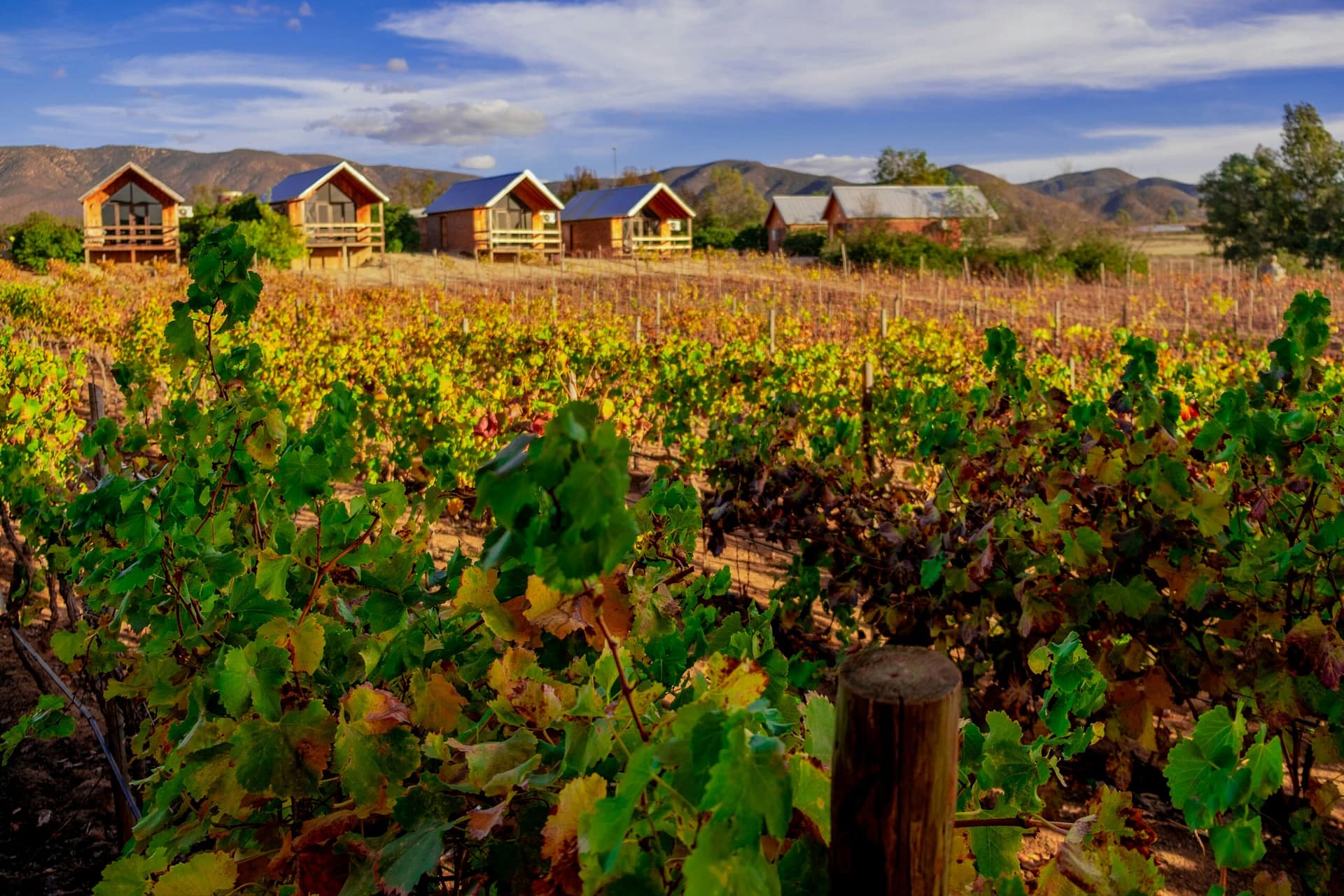
Valle de Guadalupe is Baja’s wine country, located inland from the coast near Ensenada. Most travelers reach it from:
- Tijuana and the U.S. border
- Ensenada (including cruise stop days)
- Rosarito
- Sometimes from further south on the peninsula
The safety conversation is often confusing because people lump all of “Baja” together. In reality, your risk level changes a lot based on where you are, how you travel, and what time of day you move around.
 For peace of mind on your Mexico trip, you need a policy with SafetyWing Insurance. This is the company I use, and you can get your FREE quote here. Policies start at $56.28 for a month of coverage!
Valle de Guadalupe is not a dense city center. It is a spread-out rural valley with wineries, boutique hotels, restaurants, and dirt roads connecting everything. That affects safety in two ways:
- You are less exposed to certain street-crime patterns you might worry about in a city.
- You are more dependent on transportation planning because distances are long, lighting can be limited at night, and cell signal can be inconsistent in spots.
In wine country, the biggest safety risk for most travelers is not usually random violence. It is the combination of alcohol, driving, and unfamiliar roads.
What the official advisories actually say, and how to interpret them
Many travelers start by checking travel advisories. That is smart, but you need to read them with the right lens.
The U.S. Department of State lists Baja California at Level 3: Reconsider Travel, citing crime and kidnapping risks, and it specifically notes criminal group activity in border areas and high homicide numbers in non-tourist areas of Tijuana.
Related Article:
- Valle de Guadalupe Weekend Travel Itinerary & Guide (2026)
- Turkish Airlines Business Class Review 2026: Seats, Food, Lounge, and Service
- How to Find Cheap Flights Without Getting Tricked by Hidden Fees (2026)
- Polaris Business Class Review: What United Polaris Is Really Like in 2026
- 14 Gorgeous US Islands You Can Visit Without a Passport
- 21 Affordable US Vacations That Feel Way More Expensive Than They Are
- 19 Creepiest Haunted Destinations in America for Thrill-Seekers
It also notes that, aside from restrictions in the Mexicali Valley, there are no additional restrictions for U.S. government employees in Baja California including Tijuana, Ensenada, and Rosarito, which is relevant because Valle de Guadalupe is typically accessed via the Ensenada area.
The UK government advises against all but essential travel to certain cities in Baja California such as Tijuana and Tecate, with specific exceptions and route guidance.
Canada advises travelers to exercise a high degree of caution in Mexico overall due to criminal activity and kidnapping, and provides regional guidance across the country.
Here is the key point: advisories are broad by design. They are not saying “Valle de Guadalupe is unsafe at all times.” They are saying “Baja California carries elevated risk compared to lower-risk destinations, so plan carefully.”
Your job is to translate “elevated risk” into practical decisions you can actually follow.
What “safe” looks like in Valle de Guadalupe for most visitors
Most tourist trips to Valle de Guadalupe look like this:
- Daytime winery visits
- Long lunches and tastings
- Dinner at a well-known restaurant
- A hotel stay in the valley or a return to Ensenada
- Transportation via a private driver, tour, or designated driver
When you travel like that, Valle often feels calm and upscale. Wineries are used to visitors. Staff are used to answering questions. Many places are designed for people who are not local.
[the_ad id=”1034″]
That is why so many travelers report feeling comfortable there, especially when they avoid wandering into isolated areas late at night.
This is also why you will hear two things that seem contradictory, but both can be true:
- Travel advisories warn about Baja California.
- Tourists often say Valle felt safe and easy.
- The bridge between those two statements is planning.
The most common safety risks tourists actually face in Valle de Guadalupe
Let’s talk about the realistic risks, not the dramatic ones.
Driving after drinking
This is the big one. Valle is wine country. Tastings add up quickly, and because destinations are spread out, people feel pressure to drive between stops.
Driving after drinking is not only dangerous, it is also one of the easiest ways to turn a perfect trip into a nightmare, whether that is an accident, a police encounter, or a situation where you become an easy target because your judgment is impaired.
If you do one thing for safety in Valle, do this: decide your transportation plan before the first sip.
Night driving on rural roads
Many roads in Valle are narrow, dark, and not built like highways back home. Some are paved, some are rough, some are dusty, and some have unexpected dips, animals, or low visibility.
If you have never driven rural roads in Baja at night, it can feel stressful. Even confident drivers can find it tiring.
If you plan to move around at night, a local driver who knows the roads can make the experience safer and much more relaxing.
Petty theft and opportunistic crime
In tourist areas, the most common issues tend to be opportunistic: unattended bags, phones left on tables, valuables visible in a parked car.
Valle is not the kind of place where most tourists feel constant tension, but basic habits matter. Don’t leave valuables visible. Don’t leave your car unlocked. Don’t assume “wine country” means “nothing ever happens.”
Scams that target tourists
Scams in travel destinations are usually not movie-level. They are small things: inflated prices, confusing fees, payment pressure, or someone trying to steer you toward a certain service.
Your best defense is simple: plan in advance, confirm pricing before you commit, and if something feels off, walk away.
Medical and logistical risks
This is the category people forget. Heat, dehydration, sun exposure, and minor injuries can happen easily on long tasting days. Add alcohol and it becomes easier to slip, twist an ankle, or get dehydrated without noticing.
Valle safety is not only about crime. It is also about making sure your body is fine.
Valle de Guadalupe safety by traveler type
Different travelers experience safety differently. Here is how it usually breaks down.
Couples and friend groups
This is the most common Valle traveler profile, and it usually goes smoothly if the group agrees on one thing: transportation.
Friend groups get into trouble when everyone assumes someone else is being responsible. Decide who is driving, or hire a driver, or book a tour.
Couples usually have an easier time planning because it is fewer moving parts. The risk is that couples sometimes underestimate tastings and decide to drive when they should not.
Solo travelers
Solo travel in Valle can be fantastic, but it benefits from structure.
Stay at a reputable place in the valley or Ensenada.
Prefer daytime activities and planned dinner reservations.
Use trusted transportation at night.
If you are solo and you drink, it is even more important not to wing it with transportation.
Women traveling together
Many women travel to Valle and report feeling comfortable, especially in the winery and restaurant ecosystem. The usual common sense applies:
- Stay aware of your drink.
- Avoid isolated wandering late at night.
- Use known transportation instead of random rides.
If you are planning to dress up for dinner, do it, but pair it with a transportation plan so you are not walking long dark stretches afterward.
Families
Families typically experience Valle as very calm, especially in daytime. The bigger concern is logistics: heat, long lunches, and keeping kids comfortable. If you are traveling with kids, choosing fewer stops and longer breaks usually makes the day safer and happier.
LGBTQ travelers
Many tourist-facing businesses in Valle are professional and welcoming. As with much of travel, comfort levels can vary outside tourist spaces. If you want a low-friction trip, focus on established wineries, well-known restaurants, and reputable lodging.
Where people go wrong: the patterns that create problems
Most Valle issues are not random. They follow patterns.
People drive after tastings.
People push too many stops into one day and get fatigued.
People leave Ensenada late and return late, tired, and unfamiliar with the road.
People chase “hidden” spots at night because they saw something online.
People assume their phone will always work and then get stuck without signal.
If you avoid those patterns, you reduce risk dramatically.
Transportation choices and how to pick the safest option
Option 1: Private driver
For many travelers, this is the safest and most relaxing option. It removes the alcohol-driving problem completely and reduces stress on unfamiliar roads.
A driver also helps with timing. Valle traffic can build at peak times, and a local driver typically knows which routes are smoother and which areas are slower.
If your budget allows, this is the “easy button” for Valle de Guadalupe safety.
Option 2: Guided wine tour
Tours are great if you want a curated experience and you do not want to plan every stop. The safety benefit is obvious: you are not driving.
The tradeoff is that tours can feel rushed if you prefer slow lunches and long tastings. If you pick a tour style that matches your vibe, it can be a perfect day.
Option 3: Designated driver in your group
This can work, but only if the designated driver actually stays sober enough to drive safely, and only if the group respects that plan.
If the “designated driver” still drinks at every stop, it is not really a plan.
Option 4: Self-driving with very limited tasting
This is the trickiest option because it relies on discipline. If you self-drive, keep tastings minimal, schedule food and water, and choose wineries close to each other so you are not on the road constantly.
Also, do not plan to drive deep into rural roads at night if you are unfamiliar with the area.
Driving safety: what to know about roads, timing, and route choices
Valle de Guadalupe is not one single road. It is a network of routes, some better maintained than others.
If you are driving yourself, these habits help:
- Drive in daylight when possible.
- Leave extra time between stops so you are not speeding.
- Keep your fuel level comfortably above empty.
- Avoid leaving valuables visible in the car.
- Download offline maps before you go.
If you are coming from the border area, many official advisories emphasize sticking to main highways and avoiding remote locations, which aligns with smart travel in Baja in general.
Also, be aware that the border region has its own security dynamics, and travel advice often highlights the importance of route selection in and around Tijuana.
Is it safer to stay in the valley or stay in Ensenada?
This is one of the most common questions, and the answer depends on your priorities.
Staying in Valle de Guadalupe
Pros: you avoid late-night driving after dinner and tastings, you wake up in wine country, you can move slowly.
Cons: some lodging is spread out and remote-feeling, and you may rely more heavily on transportation if you want to hop between places.
Safety-wise, staying in the valley can be a good choice because it reduces the temptation to drive back to Ensenada at night, especially after drinking.
Staying in Ensenada
Pros: more city-style infrastructure, more hotel options, easier access to services, more dining variety, and it can feel simpler for some travelers.
Cons: if you spend all day tasting in Valle and then drive back at night, fatigue becomes a real risk.
Safety-wise, Ensenada can be comfortable, but the drive decision is what matters most.
If your plan includes dinner and wine in Valle, staying in Valle or using a driver is typically the safer choice.
What about police checkpoints, interactions, and general “Baja nerves”?
It is normal to feel nervous about police checkpoints or interactions when traveling in a place you do not fully understand. The best approach is calm, respectful, and prepared.
Keep your documents accessible but secure.
Be polite and patient.
Do not offer bribes.
If you do not speak Spanish, learn a few phrases that show respect and clarity. Even a small effort can help the tone.
Most tourists never have a serious issue, but being prepared reduces anxiety and helps you stay calm if you encounter something unexpected.
How late is “too late” to be out in Valle?
Valle is not a nightlife destination in the same way as big resort zones. Many people go to dinner, enjoy wine, and then return to their lodging.
The safety principle is simple: the later it gets, the more you want your movement to be intentional.
If you are out late, you want:
- A confirmed transportation plan.
- A known destination.
- A known route.
- A plan to get back without wandering.
Late-night spontaneity is where risk grows, especially in rural areas.
Can you safely visit Valle de Guadalupe as a day trip?
Yes, many people do, and it can be very safe with smart planning.
If you are doing Valle as a day trip, the safest version looks like this:
- Start earlier in the day.
- Choose fewer wineries, with more time at each.
- Eat a real meal, not just snacks.
- Hydrate constantly.
- Either have a sober driver or a hired driver.
- Be done with your last tasting early enough that you are not driving back exhausted.
If you are coming from the border area, leave plenty of buffer time. Border timing can be unpredictable, and rushing is never a safety strategy.
What to do if something feels off
One of the most underrated safety skills is knowing when to pivot.
If a road looks sketchy at night, turn around and choose a better route.
If a place feels poorly lit and isolated, leave.
If your group is more intoxicated than you planned, call a driver, even if it costs money.
If you feel watched or pressured in a situation, trust that feeling and exit calmly.
Travel safety is often about small decisions made early, not big dramatic moves.
A simple “smart traveler” safety checklist for Valle
Instead of a long list, here is the practical version in plain language.
Plan how you will move between stops before you arrive.
Keep your day less packed than you think you need.
Stay hydrated and eat real meals.
Keep your valuables out of sight in the car.
Prefer daytime driving.
Avoid driving after drinking.
Choose reputable wineries, restaurants, and lodging.
Stay aware, but do not let fear run the trip.
So, is Valle de Guadalupe safe compared to other Mexico destinations?
This comparison is tricky because Mexico is huge and safety varies dramatically by region.
Valle de Guadalupe often feels safer than the areas people are most worried about in Baja, especially when travelers stay in the tourist-focused wine corridor.
But Baja California as a state is still flagged at higher advisory levels than some other regions, and that matters for how you plan and what precautions you take.
If you want a simple mental model:
- Valle is not “danger tourism.” It is also not “no-risk wine country.” It is “normal travel caution, turned up a notch, with a strong focus on transportation choices.”
What I would do for a safe, relaxed first visit
If you want the most low-stress, high-enjoyment plan for a first trip, do this:
- Stay one night in Valle if you can.
- Hire a driver for at least one full tasting day.
- Choose two to four wineries max.
- Book one long lunch.
- Do an early dinner, not a super late night.
If you are staying in Ensenada, do the same plan but commit to a driver so you are not tempted to drive back tired. You can also check out our Valle de Guadalupe weekend itinerary for better planning.
That’s the version of Valle that most people describe as magical.
FAQs: Is Valle de Guadalupe Safe?
1) Is Valle de Guadalupe safe for tourists right now?
Valle de Guadalupe is generally considered safe for tourists who stick to the main winery and restaurant areas, plan transportation responsibly, and avoid late-night wandering on rural roads. Official advisories still flag Baja California as higher risk overall, so extra caution is recommended.
2) Is it safe to drive from Ensenada to Valle de Guadalupe?
Many travelers do this drive safely, especially during daylight hours. The main safety concerns are night driving on rural roads and driving after drinking. Planning your route and transportation ahead of time makes a big difference.
3) Is it safe to visit Valle de Guadalupe as a day trip from Tijuana?
It can be, but you should plan carefully. Border-area dynamics and driving time mean you want a daylight schedule, main routes, and a solid transportation plan for tastings. Advisories emphasize using main highways and avoiding remote locations in Baja California.
4) What is the biggest safety risk in Valle de Guadalupe?
For most tourists, the biggest risk is driving after drinking, followed by fatigue and night driving on unfamiliar rural roads.
5) Is it safer to stay in Valle or stay in Ensenada?
Staying in Valle can be safer for many travelers because it reduces late-night driving after dinner and tastings. Staying in Ensenada can also be fine, but it usually works best if you hire a driver for your Valle day.
6) Are there scams tourists should watch for in Valle de Guadalupe?
Most issues are minor and opportunistic, like unclear pricing, upsells, or tourist-targeted markups. Confirm prices before committing and stick to reputable businesses.
7) Is Valle de Guadalupe safe for solo travelers?
Many solo travelers visit safely, especially when they keep plans structured, use reputable transportation, and avoid isolated late-night movement.
8) Does the travel advisory mean I should not go?
Not necessarily. Advisories reflect broader regional risk. They are best used to shape smarter planning, not automatically cancel a trip. Baja California is listed at Level 3 in U.S. guidance, which is a sign to plan more carefully than you might in lower-risk destinations.
9) What safety steps matter most for wine tasting days?
Have a driver or a truly sober designated driver, keep your itinerary light, eat real meals, hydrate, and avoid night driving when possible.
10) What should I do if I feel unsafe in a moment?
Leave calmly, move to a public well-lit area, and use your transportation plan. Trust your instincts and prioritize getting back to your lodging safely.

Hi, I’m Bruno. I’ve worked in the aviation industry for over 6 years as a B1.1 Licensed Aircraft Maintenance Engineer. This blog is where I share insights on aviation and travel globally.