
If you’re looking at a Private Jet London to Nice charter, you’re probably doing it for one of three reasons.
You want your time back.
You want the trip to feel effortless from door to door.
You want control, comfort, and flexibility that commercial flying simply doesn’t offer.
But the big question always lands the same way:
“How much is this actually going to cost?”
And the honest answer is: it depends, but not in a vague, annoying way. It depends in a very predictable, explainable way. Once you understand what drives the quote, you can usually estimate your likely range before you even request pricing.
This guide breaks down the real-world costs for London to Nice private jet charters, what affects the price, which aircraft types make sense, and how to avoid paying for things you do not need.
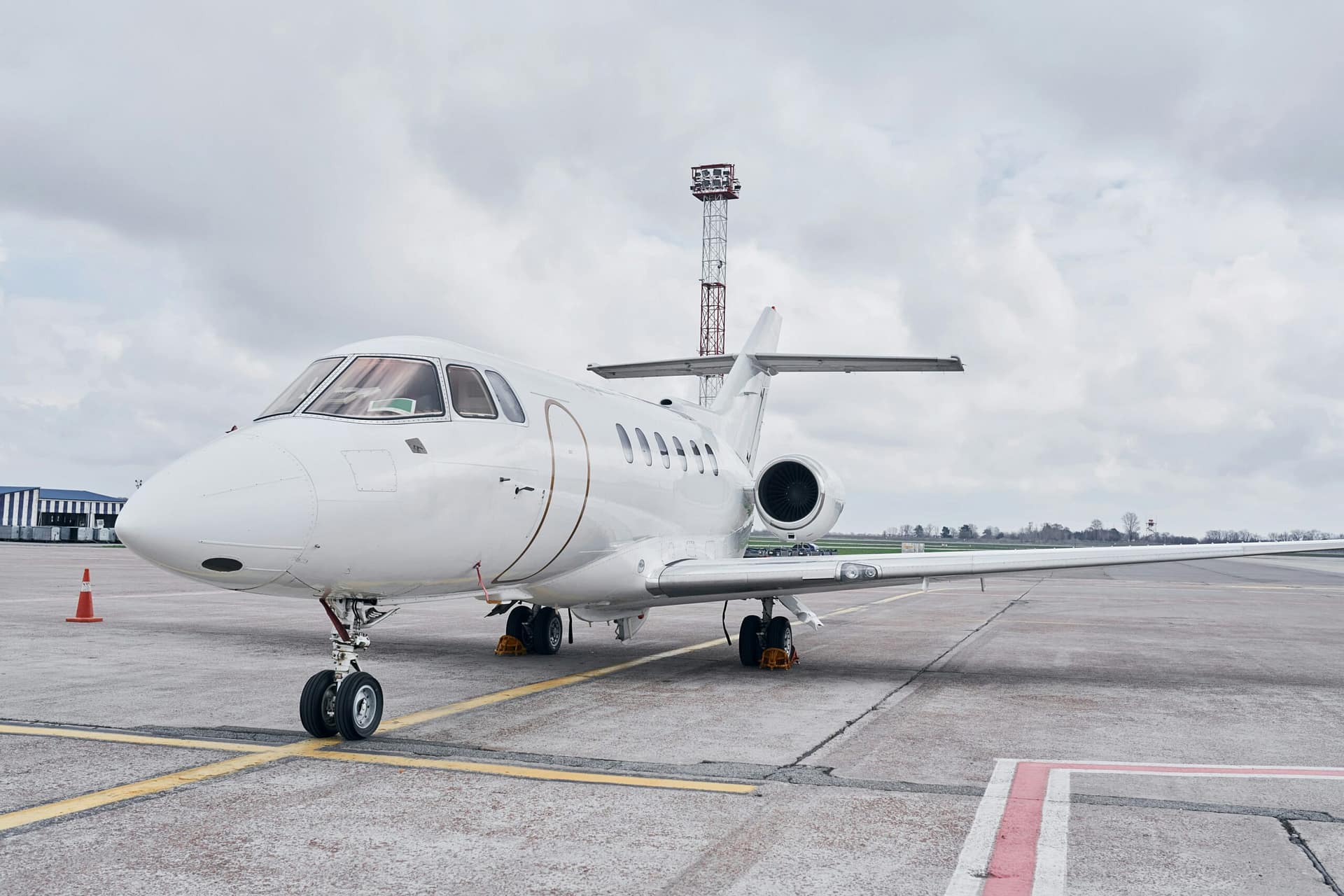
London to Nice private jet cost at a glance
Most London to Nice private jet quotes fall into a handful of common ranges, based on aircraft category and how the operator structures the trip.
Here are practical, typical “all-in” one-way ranges you’ll often see for London to Nice private jet cost (assuming normal season, standard airports, and no unusual repositioning):
- Very light jet or turboprop: roughly £8,000 to £14,000
- Light jet: roughly £10,000 to £18,000
- Midsize jet: roughly £16,000 to £26,000
- Super midsize jet: roughly £22,000 to £36,000
- Heavy jet: roughly £35,000 to £60,000+
Those ranges can go down with an empty leg deal, or go up in peak demand periods, last-minute bookings, major events on the French Riviera, or when the aircraft has to reposition from far away.
If you’re thinking round trip, a simple mental shortcut is “about double the one-way,” then add overnight crew costs and any extra idle time if the aircraft waits for you.
But let’s go deeper, because the detail is where you can save real money.
How long is the flight on a private jet?
The London Nice flight time private jet is typically around 1 hour 40 minutes to 2 hours 10 minutes, depending on:
- Your departure airport and routing
- Weather and winds
- Air traffic restrictions
- Aircraft type and speed
That short flight time is the reason London to Nice is such a popular private charter route. It is long enough to feel annoying commercially (airport time, security queues, boarding) but short enough that private flying feels ridiculously efficient.
Why private jet charter pricing is not one fixed number
Private jet charter pricing can look confusing because people assume it works like an airline ticket. It doesn’t.
Most charter quotes are built from a mix of:
- Aircraft hourly rate or flight cost rate
- Minimum billable hours (often 2 hours minimum, sometimes more)
- Repositioning legs (getting the aircraft to you, and then moving it after)
- Airport fees (landing, handling, parking)
- Crew costs (especially if they stay overnight)
- Catering (basic snacks vs full catering)
- International requirements and slot coordination (more relevant at busy airports)
- Peak-demand pricing (similar to surge pricing, but driven by aircraft availability)
Once you understand these pieces, you can read a quote and immediately see what’s driving the number.
The airports that matter for London to Nice
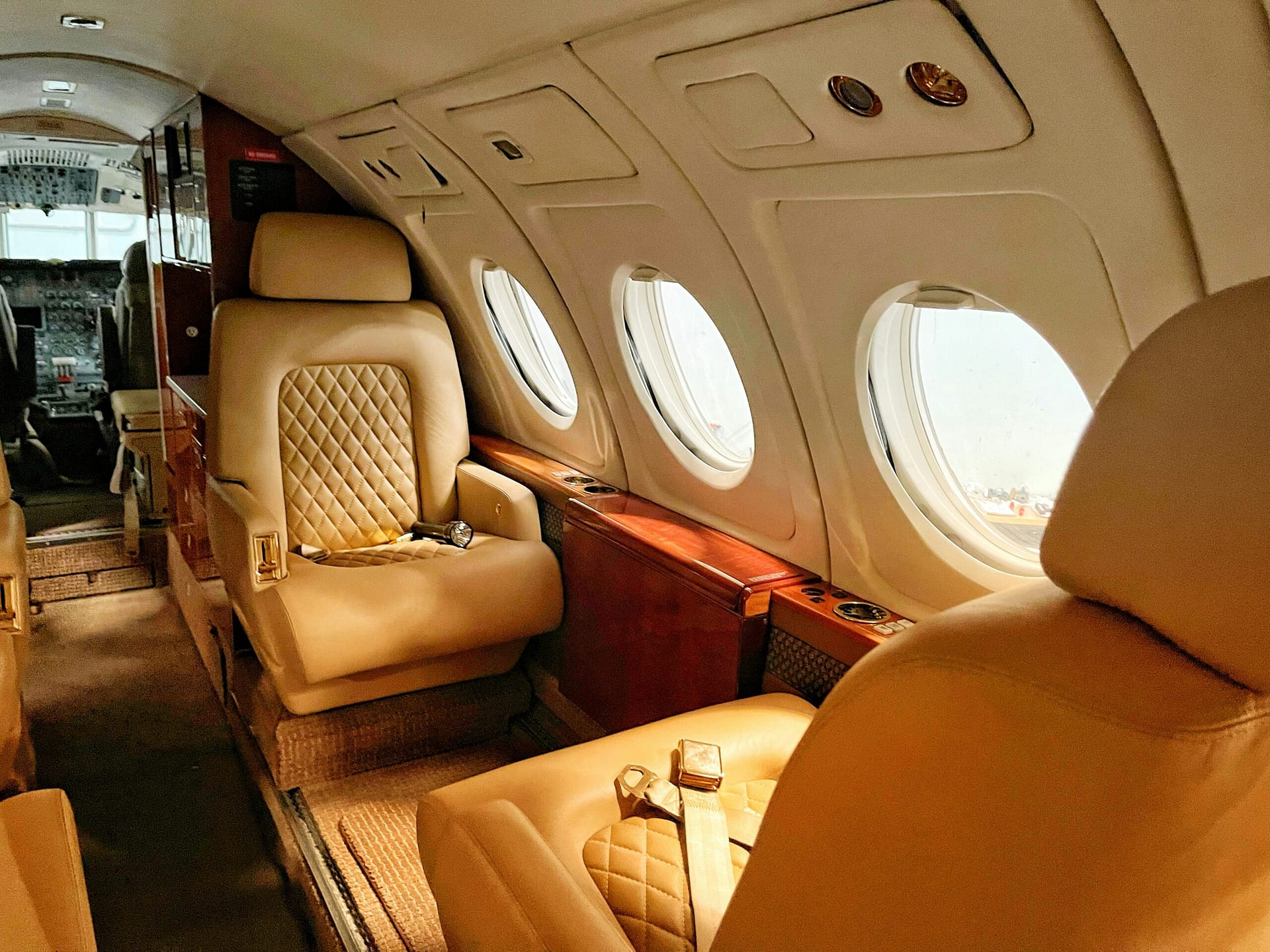
One reason London to Nice charters vary is airport choice. Airports influence landing fees, handling fees, and logistics.
Common London-area private jet departure airports include:
- London Luton (LTN): extremely popular for private aviation, strong infrastructure
- London Stansted (STN): also popular for private jets, often efficient
- Farnborough (FAB): premium private jet airport, often high service level
- Biggin Hill (BQH): another private-focused option, often used for business jets
- London City (LCY): can be convenient but has more constraints, and not all jets can use it easily
- Gatwick (LGW) and Heathrow (LHR): possible but typically pricier and more complex, and availability can be tighter
For Nice, the main airport is Nice Côte d’Azur (NCE), which is well-equipped for private aviation but can get busy, especially during peak Riviera season.
If you are flexible on the London departure airport, you can sometimes shave costs by choosing the airport where the aircraft is already based, or where handling is smoother.
Aircraft types and what they cost on this route

This is the part most people care about. Which jet should you choose, and what does that do to the price?
Option 1: Turboprop or very light jet
This is the value-forward choice for shorter European hops, especially if you’re flying with 2 to 4 people and you just want private convenience, not a “luxury lounge in the sky.”
Typical seats: 4 to 6
Best for: cost control, small groups, simple weekend trips
Typical one-way range: about £8,000 to £14,000
Upside: often the most economical private option
Tradeoff: smaller cabin, sometimes more sensitive to luggage volume and comfort expectations
Option 2: Light jet
Light jets are the most common “sweet spot” category for London to Nice. They are fast, comfortable, and usually cost-effective compared to larger jets.
Typical seats: 6 to 8
Best for: couples, small groups, business travel, weekend getaways
Typical one-way range: about £10,000 to £18,000
Upside: strong value, good speed, often widely available
Tradeoff: luggage space can be limited depending on aircraft type and passenger count
Option 3: Midsize jet
If you want noticeably more cabin comfort and luggage capacity, midsize is often where people land, especially for 6 to 8 passengers who want room.
Typical seats: 7 to 9
Best for: business groups, families, more luggage, more comfort
Typical one-way range: about £16,000 to £26,000
Upside: more cabin space, better baggage flexibility
Tradeoff: higher cost than light jets, and sometimes repositioning can impact the quote
Option 4: Super midsize jet
This is often the “premium sweet spot” if you care about cabin comfort, speed, and a higher-end onboard experience, without going all the way to heavy jet pricing.
Typical seats: 8 to 10
Best for: groups, luxury travelers, executives, higher comfort
Typical one-way range: about £22,000 to £36,000
Upside: strong comfort, good range, good baggage
Tradeoff: you pay for it, especially during peak season
Option 5: Heavy jet
Heavy jets can feel like a flying lounge. They are often chosen for larger groups, travelers with significant luggage, or people who want maximum comfort and service.
Typical seats: 10 to 14+
Best for: larger parties, luxury travel, teams, VIP travel
Typical one-way range: about £35,000 to £60,000+
Upside: space, comfort, baggage, premium service
Tradeoff: cost, and you might be overbuying for a short flight unless your group needs the space
What “all-in” usually includes, and what it might not
This is where people get surprised. They see a quote and assume everything is included. Usually a quote is “all-in for the flight,” but some line items can vary.
Often included in a typical charter quote:
- Aircraft and crew
- Standard airport fees
- Basic refreshments and snacks
- Standard handling
Often not included, or variable:
- Special catering requests
- De-icing (seasonal, mainly outbound UK winter risk)
- Overnight crew accommodation (if the aircraft waits)
- Extended parking fees in Nice (if you keep the aircraft on standby)
- Ground transport (car service from your home or hotel)
- Last-minute slot or special operational fees (rare, but possible during heavy congestion)
If you want the cleanest comparison between quotes, ask for an itemized breakdown. It reveals whether one quote looks cheaper only because it’s missing an expected cost.
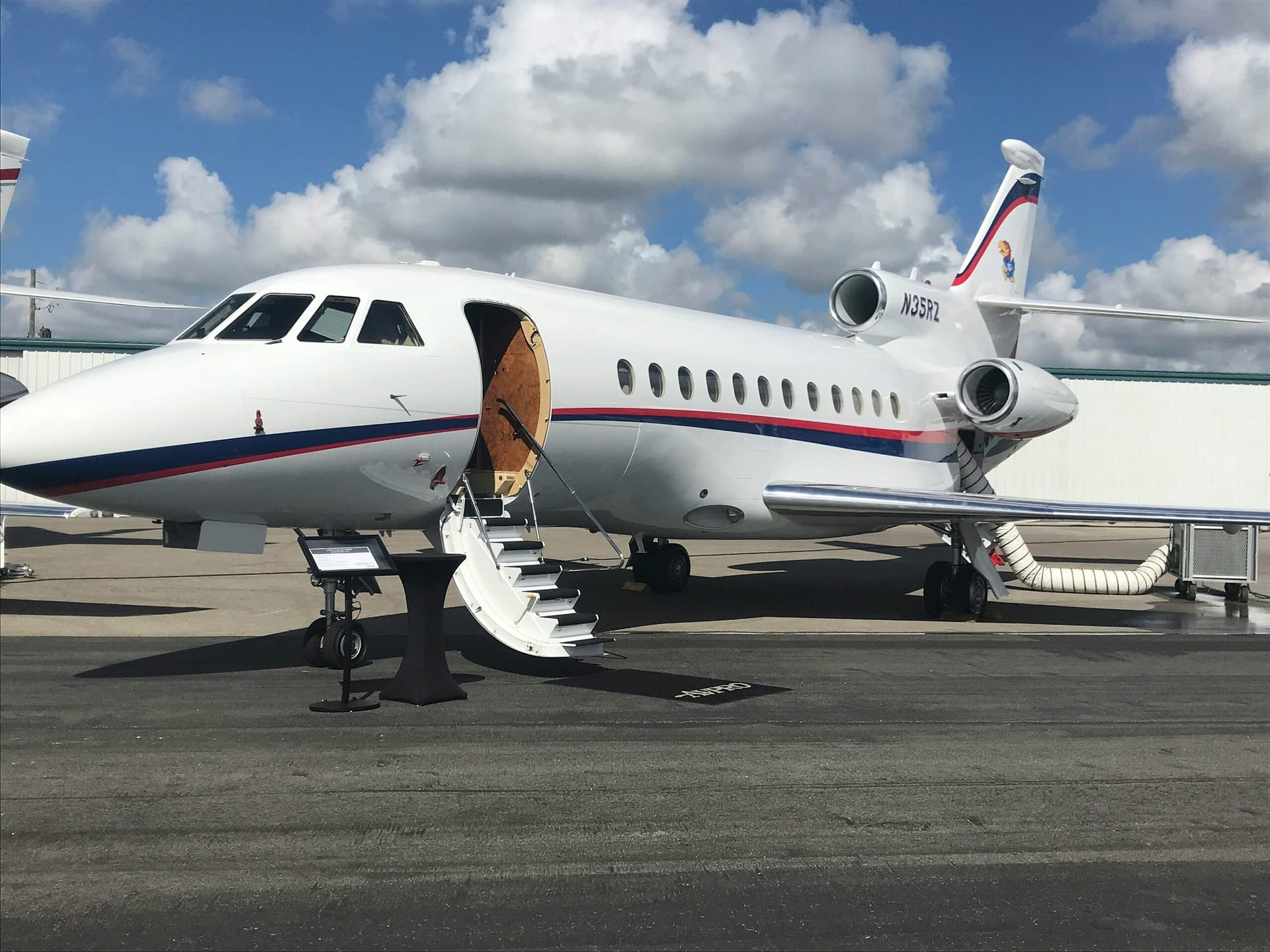
The hidden cost driver: repositioning
Repositioning is the biggest reason one quote can be £12,000 and another can be £19,000 for the “same jet.”
If the aircraft you’re booking is already in London, your costs are mostly your flight plus normal fees.
If the aircraft is in another city, the operator may need to fly it to London empty, then fly you to Nice, then reposition again after.
That means you might pay for extra legs you do not even sit on.
This is why flexible departure airports can save money. If the jet is positioned at Stansted, and you insist on Farnborough, you may add extra repositioning costs. Sometimes it’s worth it for convenience, but it’s good to know you’re paying for that choice.
Empty leg London to Nice: when it’s real, and when it’s not
An empty leg London to Nice deal is when an aircraft is already flying that route without passengers (or returning empty), and the operator sells the empty segment at a discount.
When it’s real, it can be a big savings. Sometimes 30% to 70% off a standard one-way cost.
But empty legs come with tradeoffs:
- You must match the aircraft’s timing, not your ideal schedule
- Dates can shift or be canceled if the original booking changes
- You usually cannot change much once it’s confirmed
- Availability can be limited, especially on short notice
If you are flexible and you just want to get to Nice at a good price, empty legs are one of the only ways to make private jet pricing feel dramatically cheaper.
If you need precise timing for meetings or events, empty legs are less reliable.
One-way vs round trip: how the quote changes
A lot of people assume round trip is always cheaper per leg. Sometimes it is, but not always.
Scenario A: “Drop and return” (one-way then aircraft leaves)
You charter London to Nice, then the aircraft leaves to another job. Later you book another aircraft back. This can be cheaper or more expensive depending on availability.
Scenario B: “Wait and return” (aircraft stays for your return)
If you want the same jet and crew to stay in Nice until you fly back, you typically pay:
- Your outbound leg
- Parking fees while the aircraft stays
- Crew overnight costs
- Your return leg
If your stay is short (like 24 to 48 hours), keeping the same aircraft can be efficient and smooth.
If your stay is longer, it may be cheaper to book two one-ways or use different aircraft each way, because paying for days of standby gets expensive.
Scenario C: “Floating return” (you want flexibility)
Flexibility is valuable, but it often costs more. If you want the option to change your return time last minute, you’ll often pay higher charter terms, especially in busy seasons.
Why Nice can be expensive at certain times
Nice is not just a destination. It is a gateway to the French Riviera. Certain times of year bring huge demand for private aircraft.
When demand spikes, two things happen:
- Aircraft availability shrinks
- Operators price higher because they can
If you are flying during a major event period nearby, booking earlier matters. Last-minute private jet pricing during peak Riviera weeks can jump significantly.
Realistic cost scenarios for London to Nice
Let’s make this feel tangible.
Scenario 1: Couple’s weekend, light jet, one-way
You want to leave Friday afternoon and land in Nice early evening. You have two carry-ons and one checked suitcase each.
Likely quote range: roughly £10,000 to £16,000
If repositioning is minimal, you might hit the lower end.
If your timing is peak demand, you may land higher.
Scenario 2: Family of five, midsize jet, round trip
You want comfort, luggage space, and a smooth experience. You stay three nights and return Monday.
Likely total range: roughly £32,000 to £55,000+ depending on whether the aircraft waits or you book separate legs.
Scenario 3: Group of eight, super midsize jet, one-way
You want everyone together, good baggage capacity, and a premium cabin feel.
Likely quote range: roughly £22,000 to £35,000+ depending on aircraft availability and departure airport.
Scenario 4: “We want the best,” heavy jet, round trip
You want full comfort, maximum space, and a concierge-style experience.
Likely total range: roughly £70,000 to £120,000+ depending on how long the aircraft stays and the season.
What affects the cost the most on this exact route
If you want to predict your quote fast, focus on these:
- Aircraft size category (this is the biggest lever)
- Repositioning distance (the hidden lever)
- Timing and season (the “availability lever”)
- Whether you need the aircraft to stay in Nice
- Passenger count and luggage volume (affects aircraft category choice)
- Departure airport choice (handling and positioning)
- Booking lead time (last-minute usually costs more)
Everything else is usually small compared to those.
How to reduce the price without ruining the experience
You don’t have to cut corners. You just need to be strategic.
1) Be flexible on departure airport
If you can depart from the airport where the aircraft is positioned, you can reduce repositioning costs.
2) Fly earlier in the day or outside peak windows
Peak Friday late afternoon and Sunday evening often price higher because demand is higher.
3) Choose the smallest aircraft that genuinely fits your group
Many people overbook aircraft category because they worry about comfort. If you’re flying 1 hour 50 minutes, you may not need a heavy jet for four people.
4) Consider an empty leg
If your schedule is flexible, empty leg London to Nice deals can be the best value play.
5) Keep the itinerary simple
If you add multiple stops, multiple airports, and “maybe we’ll go to another city,” costs rise fast.
6) Book earlier for peak Riviera season
Availability is everything. The earlier you book, the more aircraft options you have, and the less likely you are to pay premium scarcity pricing.
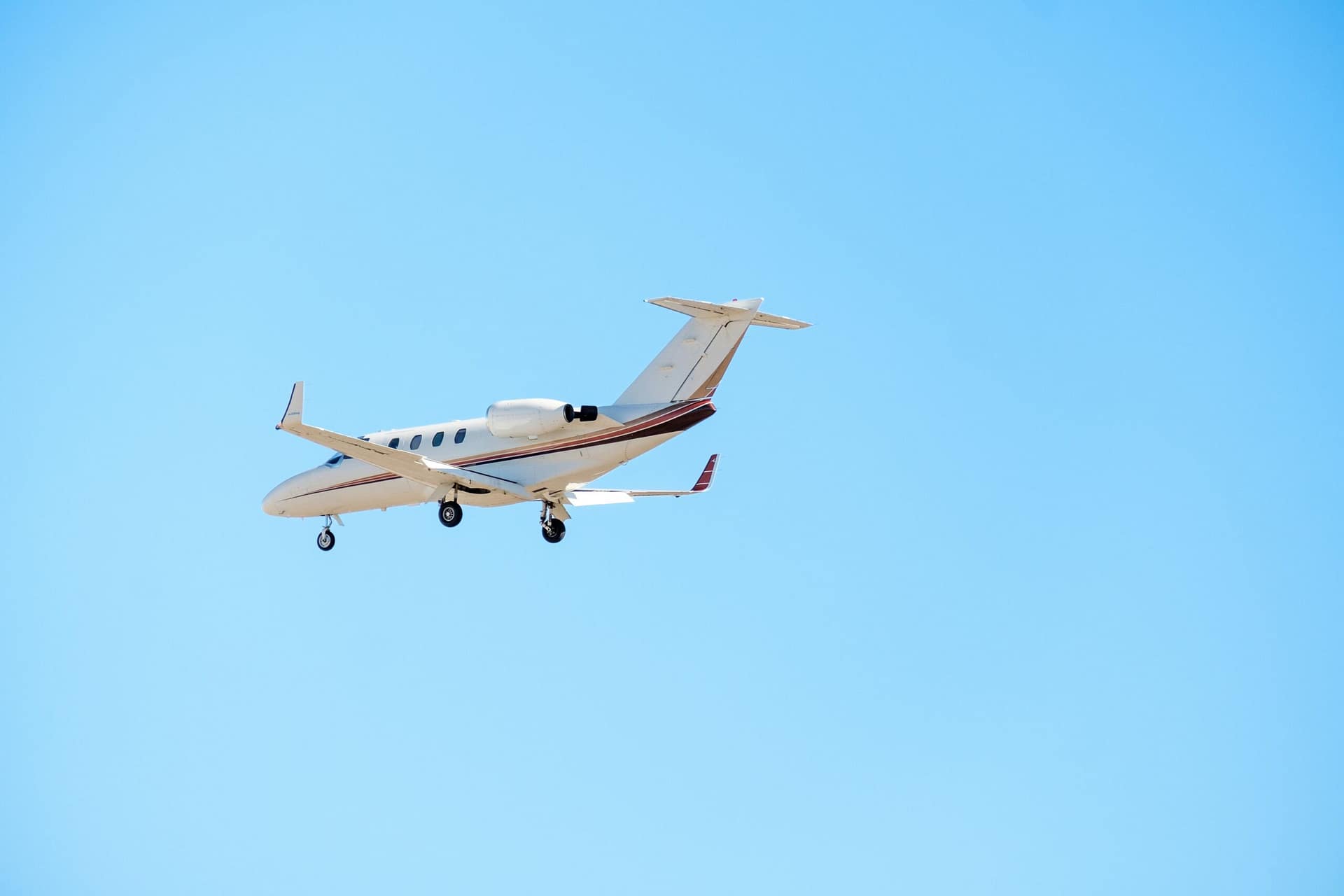
What to ask when you request a quote
To avoid getting a quote that looks cheap but surprises you later, ask these questions in plain language:
- Is this quote all-in, including landing and handling?
- Is repositioning included, and from where is the aircraft coming?
- What are the cancellation and change terms?
- If we change departure time, how does pricing change?
- Does the quote include basic catering?
- Are there potential extra charges for parking or overnight crew?
- If this is a round trip, is the aircraft staying or leaving in between?
The more transparent the broker or operator is, the better your experience tends to be.
Charter broker vs direct operator: does it change the price?
Sometimes. Not always.
Booking direct with an operator can be straightforward if you already know the aircraft you want and the operator has availability.
Using a broker can open more options across multiple operators, which can help you find:
Better positioning (cheaper)
Better aircraft availability (especially last minute)
A better fit for luggage and passenger needs
A good broker can save you money by finding an aircraft that is already close to London at the right time, which reduces repositioning.
A poor broker can waste your time or hide fees. That’s why itemized pricing matters.
“Private jet charter pricing” explained in plain English
If you want the simplest explanation, here it is.
You are paying for a plane and crew to be dedicated to you for a specific slice of time.
The cost is shaped by:
- How expensive the aircraft is to operate per hour
- How many hours the operator must fly in total (including repositioning)
- What airports charge in fees
- How scarce aircraft availability is for your dates
That’s it. Everything else is details around those pillars.
Is private flying on this route worth it?
This is personal, but I’ll give you the most honest way to evaluate it.
Private makes the most sense when:
- You value time savings highly
- You are traveling as a group and can split cost
- You need schedule flexibility
- You want to avoid commercial airport stress
- You are connecting to a yacht, villa, or event schedule where timing matters
- You want a seamless experience including pets, luggage, or special requirements
If you are one person traveling alone and cost is your main concern, private flying on this route will almost never be “worth it” financially compared to commercial. It is worth it for convenience, privacy, and comfort.
If you are 6 to 8 people splitting a midsize or super midsize jet, the per-person cost can become more rational, especially in busy travel seasons.
A realistic booking timeline
If you want the best combination of price and availability:
- For peak summer or major event weeks: book weeks to months ahead if possible
- For normal travel weeks: booking a couple of weeks ahead often gives you more options
- For last-minute trips: expect higher pricing unless you get lucky with positioning or empty legs
Last-minute can still work, but it tends to be more expensive because the best-positioned aircraft are already booked.
Frequently Asked Questions
1) What does a private jet from London to Nice cost?
A typical one-way Private Jet London to Nice charter ranges from roughly £8,000 to £60,000+ depending on aircraft type. Light jets often fall around £10,000 to £18,000, midsize around £16,000 to £26,000, and super midsize around £22,000 to £36,000.
2) How long is the flight from London to Nice on a private jet?
The London Nice flight time private jet is usually around 1 hour 40 minutes to 2 hours 10 minutes, depending on routing, winds, and the aircraft.
3) Is it cheaper to fly from Luton or Farnborough?
It can be, depending on where the aircraft is positioned and each airport’s handling fees. The biggest savings often come from minimizing repositioning, so the “cheapest” airport can vary by aircraft availability.
4) What is an empty leg London to Nice and how much can it save?
An empty leg London to Nice is a discounted one-way segment on an aircraft that would otherwise fly empty. Savings can sometimes be significant, but timing is fixed and the trip can be canceled if the original customer changes plans.
5) Do private jet quotes include all fees?
Often they include standard flight costs and typical airport fees, but items like special catering, de-icing, overnight crew costs, and extended parking can be extra. Ask for an itemized all-in quote.
6) Is a light jet enough for London to Nice?
For many travelers, yes. A light jet is often the best value category for this route, especially for 2 to 6 passengers with reasonable luggage. If you have lots of bags, golf clubs, or 7 to 8 passengers, midsize or super midsize may fit better.
7) Is round trip cheaper than two one-way charters?
Sometimes, but not always. If the aircraft stays in Nice, you may pay parking and crew overnight costs. If you book two one-ways, you might get different aircraft each way, which can be cheaper depending on availability.
8) Why do prices jump so much during certain weeks?
Availability drives pricing. When Nice and the Riviera are in peak demand, fewer aircraft are available, repositioning is harder, and operators price higher.
9) Can I bring pets on a private jet from London to Nice?
Often yes, and it’s one of the reasons many people choose private. Requirements depend on documentation, pet size, and operator policies, so confirm before booking.
10) How can I get the best price on a private jet charter?
Be flexible on departure airport, avoid peak time windows, choose the smallest aircraft that fits comfortably, book earlier for peak periods, and ask about empty legs.

Hi, I’m Bruno. I’ve worked in the aviation industry for over 6 years as a B1.1 Licensed Aircraft Maintenance Engineer. This blog is where I share insights on aviation and travel globally.