*We partner with bada$$ companies that offer products that help our readers achieve their goals! If you purchase through our partner links, we get paid for the referral at no additional cost to you! Please read our disclosure for more info.*
The honest truth: you can’t choose “wrong,” but you can choose wrong for your trip
If you’re deciding between Tulum ruins vs Chichen Itza, you’re already in a good position. Both are unforgettable, both are iconic in totally different ways, and both can absolutely be the highlight of your Mexico itinerary.
The tricky part is that they deliver very different experiences.
Tulum is about vibe and location. It’s cliffside ruins with Caribbean water behind them, quick to visit, easy to pair with a beach day, and perfect for people who want a beautiful, low-effort cultural stop.
Chichen Itza is about scale and significance. It’s one of the most famous archaeological sites in the Americas, with that jaw-dropping “I cannot believe humans built this” feeling. It’s bigger, hotter, more time-consuming, and more intense, but also more historically overwhelming.
So when people ask which Mayan ruins to visit, I usually answer with one question:
Do you want a stunning two to three hour experience that blends into a beach day, or do you want a full-day cultural mission that feels like a once-in-a-lifetime landmark?
This guide will help you decide without stress, and plan the visit you choose in a way that actually feels good in real life.
Quick comparison: what each site feels like
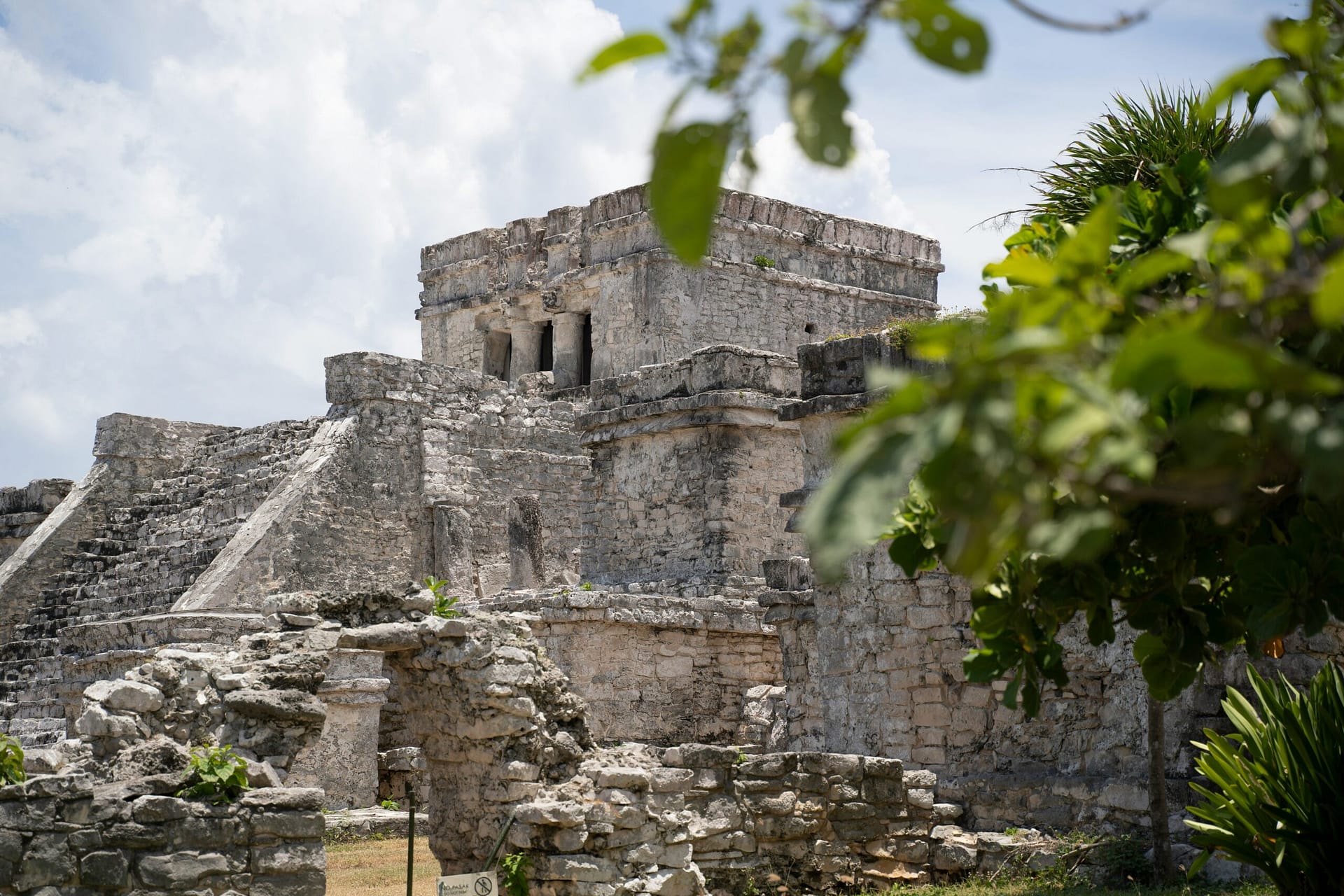
Tulum ruins in one sentence
A compact seaside ruin complex perched above turquoise water, best enjoyed early, then followed by tacos or a beach nap.
Chichen Itza in one sentence
A massive inland archaeological city anchored by one of the world’s most recognizable pyramids, best experienced as a full, intentional day trip.
That’s the core difference. Now let’s break it down in a way that makes your choice obvious.
What you’ll actually see at each site
Tulum: dramatic setting, smaller ruins
Tulum was a coastal city with a strategic location. The buildings are not the tallest or most intricate compared to some other sites, but the setting does all the heavy lifting. You’re walking among ruins with the Caribbean behind them, often with a breeze, often with bright sun, and always with that “how is this real?” ocean backdrop.
Tulum’s structures are spread across a relatively small area. You can see the main highlights without feeling like you’re trekking for miles, which makes it very friendly for:
- Families with kids
- Travelers with limited time
- People who want culture but not an all-day excursion
- Anyone who wants amazing photos without a huge hike
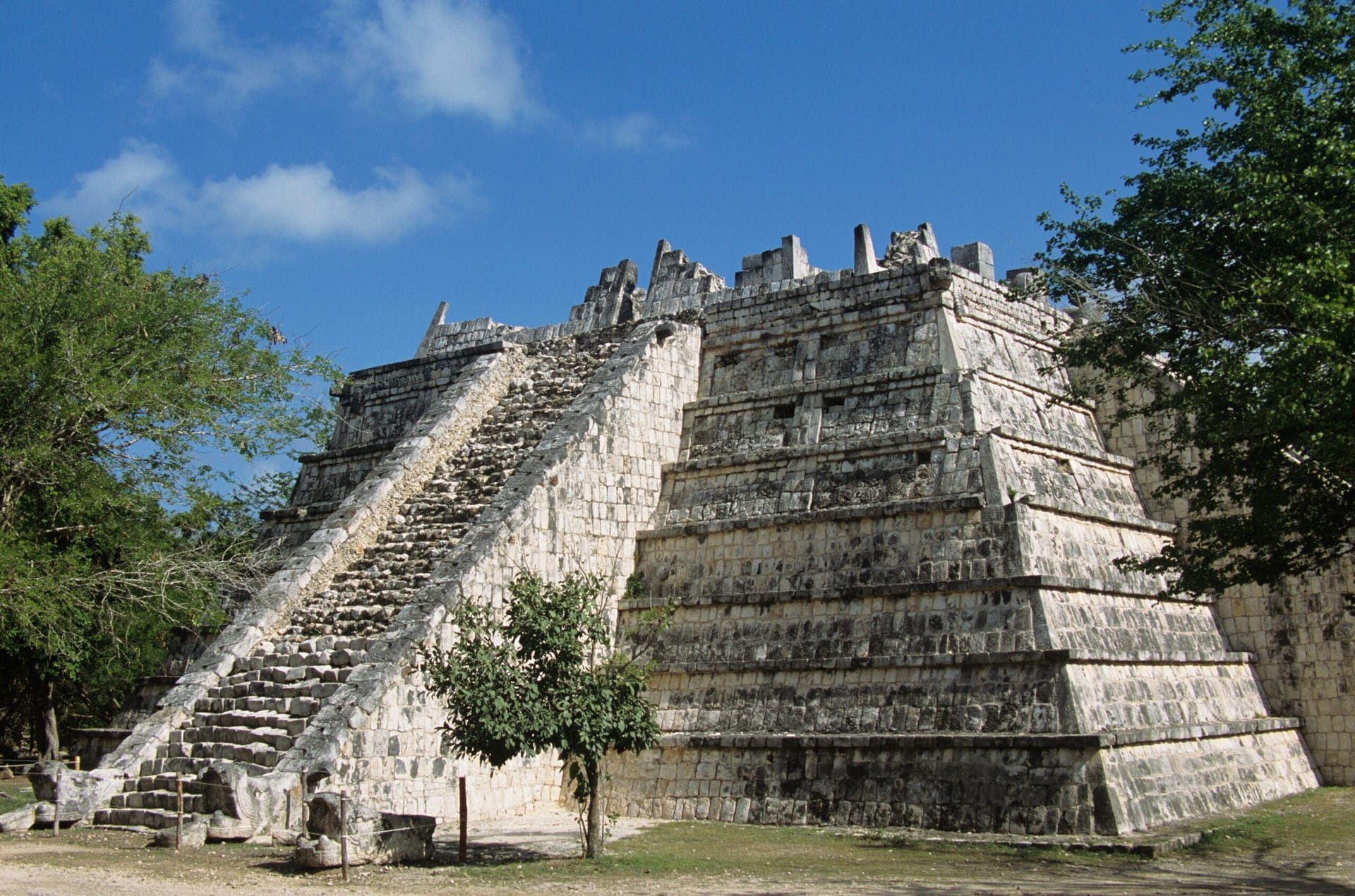
Chichen Itza: huge site, major structures, deeper “ancient city” feel
Chichen Itza feels like a full ancient city, because it was. It’s sprawling, with multiple major structures, wide open spaces, and that sense of scale you do not get at Tulum.
The centerpiece is the famous pyramid, but Chichen Itza is not just one pyramid and done. There are other structures that can make you stop and stare, and the overall layout gives you the sense of walking through something that once functioned as a powerful cultural and political center.
If you want the most “important” and globally recognized Mayan site in the region, this is the one.
How much time you need for each
Tulum: 2 to 3 hours is plenty for most people
Most travelers can do Tulum ruins comfortably in 2 to 3 hours, including time for photos, slow walking, and soaking in the views.
If you’re the type who reads every sign and wants to linger, you can stretch it longer. But you do not have to.
This is one reason Tulum is so appealing. It does not hijack your entire day.
Chichen Itza: plan for a full day if you’re coming from the coast
Chichen Itza usually takes longer because of two things: the site itself is bigger, and it’s typically farther from the main beach hubs.
Even if you move fast inside the ruins, the day becomes long because of travel time, stops, and heat breaks.
If you are doing a Chichen Itza day trip, plan for it to be the main event of your day, not a quick add-on.
The travel logistics from Cancun, Playa del Carmen, and Tulum
This is the real deal-breaker for a lot of people. Not the ruins, not the history. The drive.
Getting to Tulum ruins
If you’re staying in Tulum, it’s easy. If you’re staying up the coast, it can still be manageable, but it depends on traffic and your tolerance for driving.
Tulum ruins are close enough to combine with a beach club, a cenote stop, or an afternoon wandering around town.
Getting to Chichen Itza
Chichen Itza is inland, and that changes the feel of the day. You’re committing to travel time, early starts, and heat.
Some travelers love the road trip vibe. Others feel like it eats their vacation. Neither is wrong, but know yourself.
If you hate long drives and you’re only in the area for a few days, Tulum will feel easier and lighter.
If you don’t mind a long day and you care about seeing a world-famous landmark, Chichen Itza makes sense.
Crowd levels and how to avoid the worst of them
Both places get crowded. But the crowd “feels” different.
Tulum crowds feel tight
Because the site is compact, crowds can feel dense even when the total number of people is not extreme. You’re sharing viewpoints, narrow paths, and popular photo angles.
Your best weapon here is timing. Early morning is your friend.
Chichen Itza crowds feel spread out, but still intense
Chichen Itza is bigger, so people spread out more, but the main pyramid area can still feel packed. And because it’s such a major destination, you’ll often be sharing the site with large groups who arrive on tours.
The best strategy is again timing, plus pacing. Start early, move strategically, and don’t try to fight the crowd at the most popular angles at the busiest hour.
If you hate crowds with your whole soul, you can still enjoy either site, but you need to approach it like a “go early, go smart” mission.
Heat, comfort, and the “how hard is this really” question
Tulum: hot, but easier
Tulum is hot and sunny, but because the visit is shorter and the breeze sometimes helps, most people find it manageable.
You can also bail out quickly and cool off at the beach afterward, which makes the heat feel less scary.
Chichen Itza: hot, open, and longer
Chichen Itza can feel brutally hot because of the open spaces and the length of time you spend walking around. The heat is not a side detail here. It shapes the entire experience.
If you’re visiting in a hot season, your comfort plan matters: water, sun protection, hat, breathable clothes, and a willingness to slow down.
If you have young kids, older travelers, or anyone sensitive to heat, be extra intentional with your plan.
The photo factor: what kind of photos do you want?
This sounds superficial, but it’s actually a practical travel question. Your photo goals often reflect the vibe you want.
Tulum photos are “ruins + ocean”
If you want bright, tropical, coastal photos, Tulum is unmatched. You get that cliffside Caribbean look that feels like a postcard.
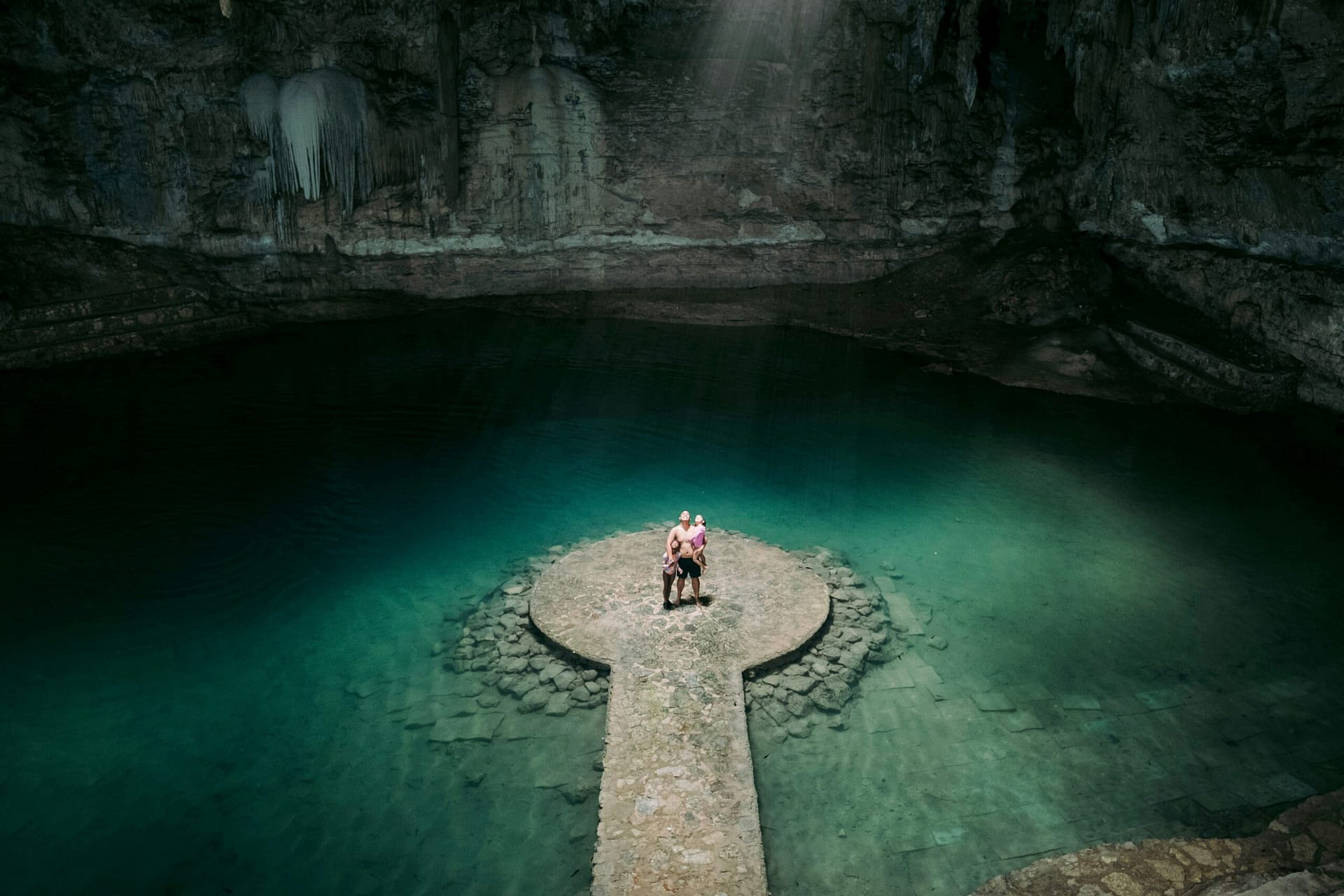
It’s also a great option if you want to keep your trip visually diverse. You can do ruins in the morning and beach photos in the afternoon, all in one day.
Chichen Itza photos are “world wonder energy”
Chichen Itza gives you that iconic pyramid shot, plus the feeling of standing in front of a structure that is famous everywhere.
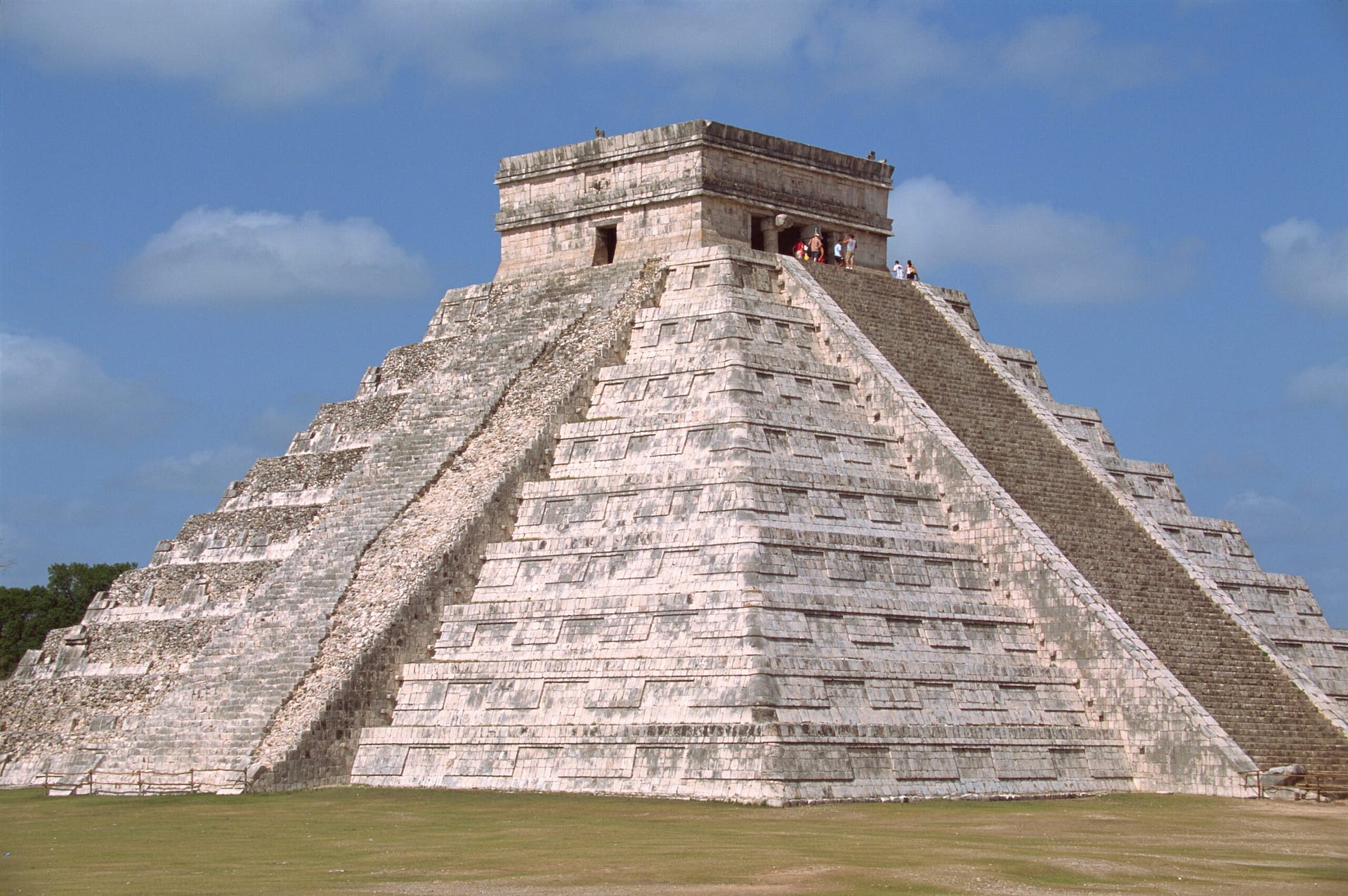
It’s less “tropical beach vibe,” more “ancient monument and scale.”
If your dream is a photo that instantly signals “I went to one of the most famous ruins on earth,” Chichen Itza wins.
The history factor: which one feels more meaningful?
Both are meaningful, but in different ways.
Tulum’s story is coastal and strategic
Tulum often feels like a place you “visit.” You see it, you appreciate it, you enjoy the setting, and you move on.
It’s beautiful, but it may not give you that deep “ancient city” immersion unless you have a guide or you’re already very into the history.
Chichen Itza feels like a civilization in stone
Chichen Itza can feel heavier and more awe-inducing because of its size and reputation.
Even casual history fans often walk away feeling like they experienced something big.
If you want your ruins visit to be the cultural anchor of your trip, Chichen Itza usually delivers that more strongly.
Ease and accessibility: which is better with kids, strollers, or mixed groups?
Tulum is easier for mixed groups
Because it’s compact, it’s often easier for families and mixed-energy groups. You can go at different paces and still stay relatively close.
If you have toddlers, it’s still not a “stroller everywhere” situation, but the overall time commitment is lower, which matters more than people think.
Chichen Itza is doable, but you need a plan
Chichen Itza is bigger and hotter, so it requires more stamina. Kids can still love it, especially if you make it fun and keep snacks flowing, but the day can feel long.
If you’re traveling with grandparents or anyone who needs lots of breaks, choose your route through the site intentionally and do not try to see every corner.
Guided tour vs self-guided: what’s actually worth it
Tulum: self-guided works well for most people
Tulum is straightforward enough that many travelers do fine without a guide. You can still learn a lot from signage and a little pre-reading, and the visual setting is the main attraction.
A guide can deepen the story, but it’s not required for a good experience.
Chichen Itza: a guide often makes the experience feel ten times richer
Chichen Itza has more context, more structures, and more history to connect. If you’re the type who likes meaning behind what you’re seeing, a guide can make a massive difference.
Without context, some people walk around, take a photo, and leave thinking, “That was cool, but I don’t fully get it.”
With context, you’ll often leave thinking, “I’m going to be talking about this for weeks.”
Cost and tickets: what to expect without getting stuck on exact numbers
I’m not going to throw exact ticket prices at you here because they can change, and there can be different fees depending on how you enter, what you add on, and how you book.
But I will tell you how to think about it.
Tulum ruins tickets and costs
For Tulum ruins tickets, expect the total to include entry plus possible add-ons like parking, camera policies, or bundled access depending on how you arrive.
If you’re booking through a tour, you’re paying for transportation and structure, not just entry.
Chichen Itza costs
Chichen Itza often costs more in practice because you’re paying for the full-day logistics: transportation, time, possibly a guide, and often extra stops like a cenote or nearby town that tours include.
If you’re self-driving, you may still spend more overall because the day is longer and you’ll likely buy more along the way.
The important thing is not the ticket line item, it’s the total day cost.
The best way to decide: a simple personality test
If you’re still stuck, use this.
Choose Tulum if you want
- A shorter experience
- A coastal setting
- A ruins visit that pairs with beach time
- A lower-effort cultural stop
- A plan that is easy to adjust if the day changes
- A great experience even if you hate long excursions
Choose Chichen Itza if you want
- A major landmark
- A deeper “ancient city” immersion
- A bucket-list structure
- A full-day cultural mission
- A guide-led experience that feels meaningful
- To see one of the most famous sites in the region
If you read those and felt an immediate pull toward one, that’s your answer.
Planning Tulum the right way so it feels smooth, not stressful
Go early and you’ll think it’s magical
Tulum is one of those places where early morning changes everything. The light is nicer, the temperature is softer, and the crowds feel manageable.
If you can arrive early, do it. Your future self will thank you.
Pair it with one other thing, not three
The classic mistake is trying to stack too much: Tulum ruins, a cenote, beach club, dinner in town, sunset photos, and then wondering why everyone is exhausted.
If you want the best day, do Tulum ruins and one other main activity. That’s enough.
Make the post-ruins plan easy
The best part of Tulum is that you can pivot to relaxation immediately. Plan for a simple meal, hydration, and either a beach or a slow afternoon.
Treat the ruins as the meaningful start of the day, not the whole day.
Planning Chichen Itza the right way so it feels worth it
Start earlier than you want to
With Chichen Itza, early is not just a nice-to-have. It’s how you protect your comfort.
If you start late, you’ll likely hit peak heat and peak crowds at the same time. That is not the version of Chichen Itza you want.
Decide your style: tour structure vs self-drive freedom
Some people thrive on tours because everything is handled and you just follow along. Others hate feeling rushed.
If you love freedom, self-driving can be great, but you must be honest about stamina and timing.
If you want a simpler day with fewer logistics decisions, a well-planned tour can remove stress.
Don’t try to be a hero in the heat
Pace yourself. Take breaks. Drink water constantly. Wear sun protection. This is the difference between “incredible day” and “I was miserable and barely remember it.”
Add one thoughtful stop, not a chaotic checklist
Many Chichen Itza trips include an extra stop, often a cenote or a nearby town. That can be great, but only if you treat it as a complement, not a marathon.
One meaningful add-on can make the day feel richer. Too many add-ons make it feel like a bus itinerary you didn’t choose.
Which site is better for different traveler types
For first-time visitors to the region
If this is your first time in the Cancun, Riviera Maya, or Tulum area, Chichen Itza is the “big landmark” that many people feel they should see at least once.
But if your trip is short and beach-focused, Tulum can be the smarter choice because it fits the rhythm of a coastal vacation.
For repeat visitors
If you’ve already done a big inland ruins day on a previous trip, Tulum can be the perfect “light ruins” experience that still feels special.
If you’ve done Tulum before and you want something bigger and more monumental, Chichen Itza becomes the obvious next step.
For families with younger kids
Tulum often works better because it’s shorter and easier to manage.
Chichen Itza can still be great, but you need a kid-friendly plan: snacks, shade breaks, and realistic expectations.
For history lovers
Chichen Itza tends to win, especially if you hire a guide or come prepared with context.
Tulum can still be meaningful, but you’re often going for the setting as much as the history.
For photographers and “scenery” travelers
Tulum wins for tropical coastal photography. Chichen Itza wins for iconic monument photography.
If you love both, you might do Tulum for sunrise and Chichen Itza for a separate day, but only if you have enough time and energy.
For travelers who hate long days
Tulum is your friend.
A Chichen Itza day can be long even if everything goes perfectly.
What to bring: the practical packing list that saves the day
I’m keeping this simple and real because this is where most people mess up.
- Bring water, more than you think you need.
- Bring a hat or cap.
- Bring sunscreen you trust, and reapply.
- Wear shoes you can actually walk in, not just cute sandals.
- Bring a small snack, especially if you’re with kids.
- Bring a light layer if you start early, because mornings can feel cooler than you expect.
- Bring cash for small purchases, because it can make life easier in some situations.
For Chichen Itza specifically, prioritize heat comfort. Breathable clothes and a willingness to go slow are part of the plan, not an optional extra.
The “best ruins near Cancun” question: are there alternatives if you can’t decide?
If you’re reading this and thinking, “I want ruins but not these exact logistics,” you’re not alone. There are other archaeological sites in the broader region, and many travelers find that a less famous site can be just as memorable with fewer crowds.
But if the choice is strictly Tulum ruins vs Chichen Itza, here’s the clean takeaway:
Tulum is the best ruins experience if you want easy, coastal, and beautiful with minimal time investment.
Chichen Itza is the best ruins experience if you want monumental, historically heavyweight, and bucket-list iconic.
That’s the decision in plain language.
A sample 1-day itinerary for Tulum ruins
- Start early, because it makes everything better.
- Spend your first couple of hours at the ruins, moving slowly and taking photos.
- After the ruins, choose one main add-on: either beach time or a cenote.
- Keep lunch simple and hydrating.
- End the day with a relaxed evening, not a rushed checklist.
This itinerary works because it respects the heat and keeps your day feeling like a vacation.
A sample 1-day itinerary for a Chichen Itza day trip
- Leave early, earlier than you want.
- Arrive, explore with a guide if possible, and build in water breaks.
- Spend enough time to feel the site, not just photograph it.
- Choose one thoughtful add-on, such as a refreshing stop, then head back without stacking extra obligations.
- Plan for a calm dinner afterward because you’ll likely be tired.
This itinerary works because it treats Chichen Itza as the main event and protects your energy.
Common mistakes people make with both sites
Mistake one: underestimating heat
This is the big one. Heat changes everything. Plan around it.
Mistake two: choosing based only on “fame”
Fame doesn’t always equal best experience for your specific trip. Choose what matches your schedule and vibe.
Mistake three: overstuffing the day
A ruins visit feels better when you have breathing room. This is especially true in hot weather.
Mistake four: arriving at peak time and then blaming the site
If you arrive late morning, you’ll meet crowds and heat. It’s not the ruins’ fault. Timing is everything.
Mistake five: not bringing water and snacks
It sounds obvious. People still do it. Don’t be those people.
If you can do both, should you?
If you have enough time and you genuinely love archaeological sites, doing both can be amazing because they contrast so well.
But do not do both back-to-back days unless your group has the energy for it. Two hot ruins days in a row can feel like too much.
A better plan is to separate them with a rest day, a beach day, or a cenote day in between.
If you only have time for one, choose the one that fits your trip personality, not the one you think you “should” do.
Final decision guide: which one should you choose today?
If your vacation is beach-first, relaxation-first, and you want a beautiful cultural experience that doesn’t dominate your schedule, choose Tulum.
If your vacation can handle a full-day mission, and you want a globally famous site with major “ancient wonder” energy, choose Chichen Itza.
If you want the best of both worlds and you have time, do Tulum for the seaside vibe and Chichen Itza for the monumental history, separated by a recovery day.
That’s it. That’s the whole decision.
FAQs: Tulum Ruins vs Chichen Itza
1) Which is better, Tulum ruins or Chichen Itza?
It depends on what you want. Tulum is better for a shorter, coastal ruins experience that pairs easily with beach time. Chichen Itza is better for a major landmark experience with big scale and deeper ancient-city energy.
2) How long does it take to visit Tulum ruins?
Most people spend about 2 to 3 hours at the site, including time for photos and slow walking. You can spend longer if you want a more relaxed pace, but it’s generally a compact visit.
3) Is Chichen Itza worth a full day trip?
For many travelers, yes. A Chichen Itza day trip is longer and more intense, but it can feel like a once-in-a-lifetime visit because of the site’s scale and iconic structures.
4) Are Tulum ruins crowded?
They can be, especially in peak season and later in the morning. Because the site is small, crowds can feel dense. Early morning visits usually feel calmer.
5) Is Chichen Itza hotter than Tulum?
It often feels hotter because it’s inland, open, and you typically spend more time walking around. Heat planning is especially important for Chichen Itza.
6) Do I need a guide for either site?
You don’t need a guide for Tulum to enjoy it, though it can add context. For Chichen Itza, a guide often makes the experience much richer because there is more history and more to interpret.
7) What should I bring to Tulum and Chichen Itza?
Bring water, sun protection, comfortable shoes, and snacks. For Chichen Itza especially, dress for heat and plan for breaks.
8) How do I choose which Mayan ruins to visit if I only have time for one?
Choose based on your trip style. If you want easy and coastal, choose Tulum. If you want monumental and historically heavyweight, choose Chichen Itza.
9) Which is better for families with kids?
Tulum is often easier because it’s shorter and less physically demanding. Chichen Itza can still work well for families, but you need a heat-smart plan and realistic pacing.
10) Are these the best ruins near Cancun?
They are two of the most popular and iconic options in the region. Whether they are the “best” depends on your schedule, crowd tolerance, and whether you prefer a coastal or inland experience.

Hi, I’m Bruno. I’ve worked in the aviation industry for over 6 years as a B1.1 Licensed Aircraft Maintenance Engineer. This blog is where I share insights on aviation and travel globally.