If you’ve been searching turkish airlines business class review, you’re probably trying to answer a very normal question: is it actually as good as people say, or is it just one of those airlines that looks amazing on paper and turns “fine” in the air?
Turkish Airlines business class can be genuinely excellent, especially if your trip involves a connection through Istanbul and you lean into what the airline does best: warm service, generous food, and a very strong ground experience. But it is also an airline where the details matter more than you’d expect.
The aircraft type can change the seat layout, the feeling of privacy, and even how easy it is to sleep. Two people can fly “Turkish business class” on different planes and come away with two totally different opinions.
So I’m going to do this the practical way, like you and I are planning a trip and we want the experience to be smooth, not a surprise. I’ll cover the whole journey, from check-in to landing, with special focus on the things people care about most: the turkish airlines business class seat, the lounge experience in Istanbul, the food and how it’s served, and the small comforts like bedding and the turkish airlines amenity kit.
I’ll also keep this honest. You’re paying for comfort, rest, and a calmer travel day. You deserve to know what’s consistently great, what’s sometimes inconsistent, and how to make choices that improve your odds of a great flight.
What Turkish Business Class Feels Like in One Sentence
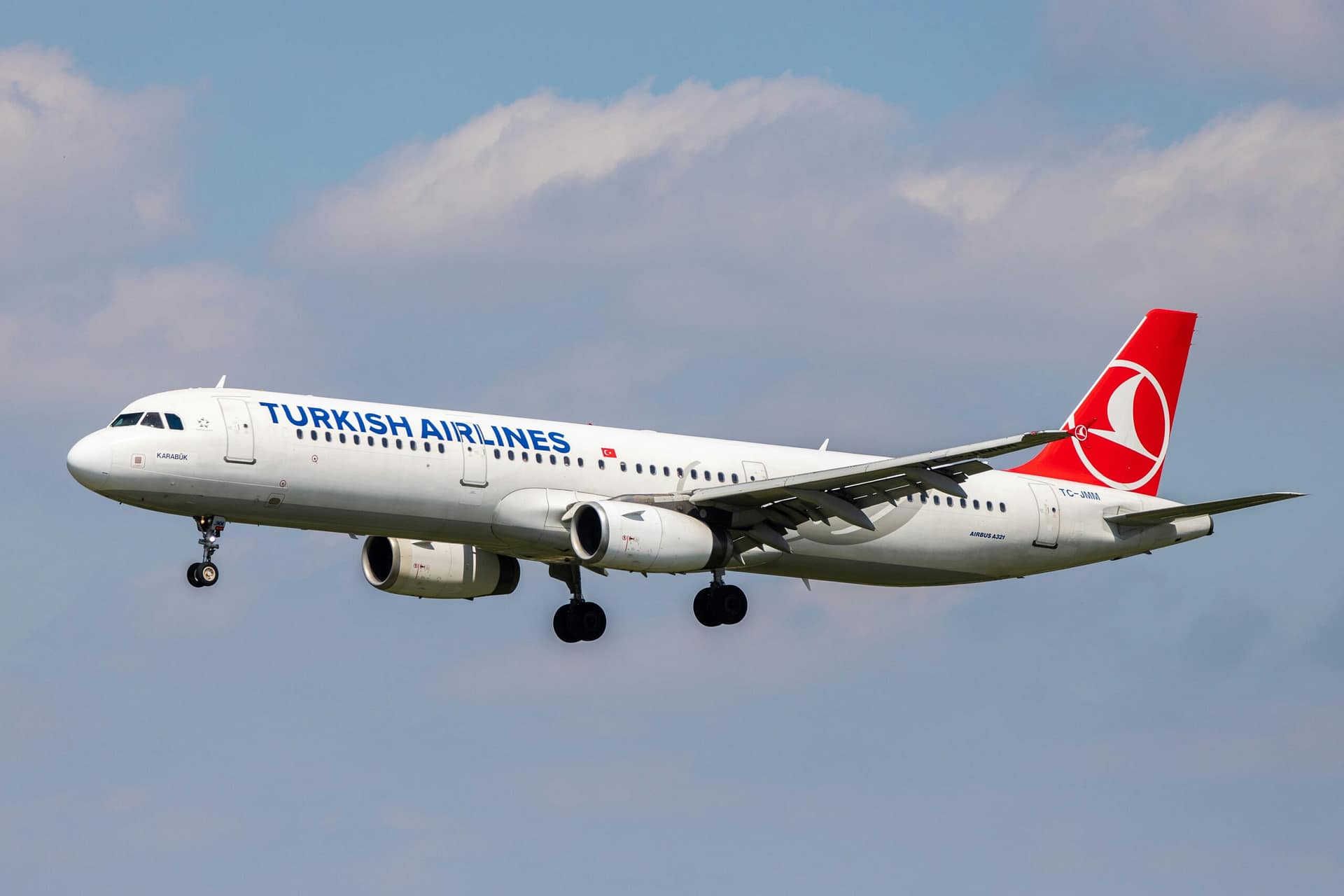
Turkish business class feels like a hospitality-first experience, the kind where people want to feed you well and take care of you, and it can feel truly premium when you’re on a modern seat layout and you use Istanbul as a proper reset point.
If you are the type who values service and food, Turkish often shines. If you are the type who cares most about a super private “suite” style seat on every aircraft, you need to pay attention to the plane you’re booking.
The Biggest Thing to Know Before You Book: Aircraft Matters a Lot
Let’s get this out of the way early, because it can save you from disappointment.
With Turkish, “business class” is not one identical hard product across the entire long haul network. On some aircraft, you get a modern 1-2-1 layout where every seat has direct aisle access. On other aircraft, the layout can be denser, and some seats may require climbing over another passenger to reach the aisle.
That single difference changes everything.
It changes how private the seat feels. It changes how often you wake up. It changes whether you feel like you’re in a personal space or in a shared cabin. And it changes what kind of traveler will love it.
So when you’re thinking about the turkish airlines business class seat, don’t just look at “lie flat.” Look at the seat map, the layout, and how the cabin is configured.
If you’re booking with points or you’re choosing between two similar itineraries, the aircraft type can be the difference between “wow” and “it was good, but I expected more.”
Check-In and Airport Experience: Where the Calm Starts
Business class is partly about the seat, but it’s also about how the day feels. Turkish tends to do well at making things feel more orderly.
At many airports, business class check-in is smoother, with shorter lines and more staff available. You usually feel like you can ask questions without being rushed. If you’re traveling with extra bags, this can matter, because it saves you from that frantic “I hope they don’t weigh this” vibe that ruins the mood before you even clear security.
Fast track security access depends on the airport, but when it’s available, it’s one of the most underrated perks of business class. It saves time, yes, but more importantly it saves energy. You arrive at the gate feeling like a human, not like you just completed a mini obstacle course.
Boarding also tends to be calmer. You’re not fighting for overhead space the way you would in economy, and you have more time to settle in.
The Cabin First Impression: Warm, Traditional, and Premium in a Familiar Way
Turkish business class often feels premium in a classic way. It’s not always the ultra minimal, futuristic style some airlines go for. It’s more like a well-run hotel: polished, warm, and service-driven.
You’ll usually see the crew moving through the cabin quickly, offering welcome drinks, helping with bags, and checking seatbelts. You’ll often get a menu and sometimes an explanation of the dining flow.
This is also where Turkish can win people over fast. Even before takeoff, the tone is usually friendly. Not over the top, not fake, just genuinely attentive.
The Seat: Comfort, Privacy, and the Reality of Different Layouts
Now let’s get into the part everyone wants: the turkish airlines business class seat.
Lie-Flat Basics: The Non-Negotiable Advantage
On long haul routes, lie-flat is the headline benefit. Even if you’re not someone who sleeps perfectly on planes, lying flat gives your body a break. Your back gets relief. Your legs aren’t trapped in one position. You can rest properly instead of just “survive.”
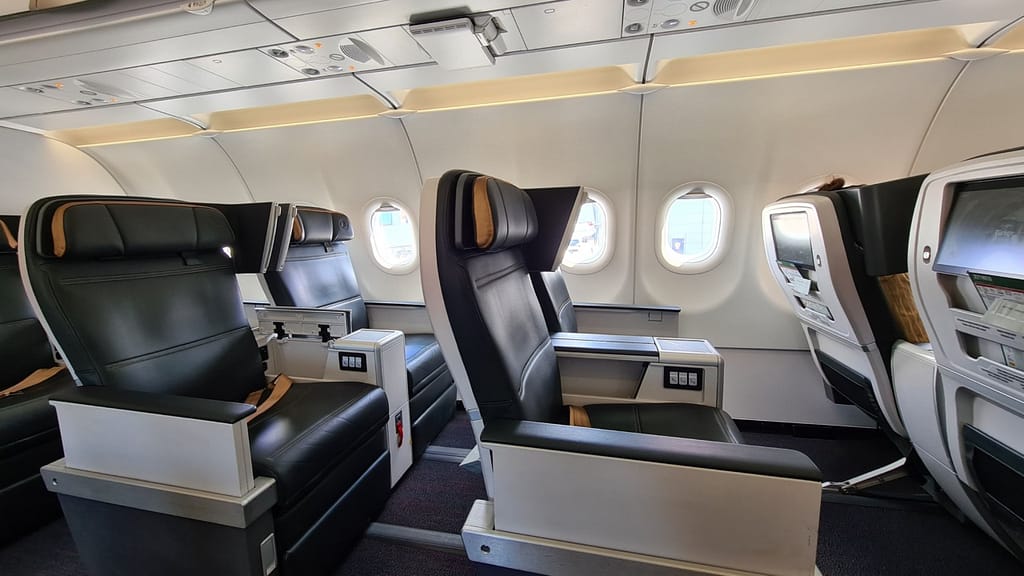
Turkish business class lie-flat seats generally deliver on that basic promise. The seat becomes a bed, and you can actually stretch out.
The question is what kind of lie-flat experience you get.
Direct Aisle Access vs Not: Why This Changes Everything
On a modern 1-2-1 layout, the seat feels like a personal space. You can get up without disturbing anyone. You can use the aisle whenever you want. You can sleep without worrying that someone has to climb past you.
On denser layouts, you might still have a lie-flat bed, but the cabin feels more communal. If you’re in a window seat without direct aisle access, you may have to step over someone or have them step over you.
Some travelers don’t mind this at all. They still get their lie-flat bed and they sleep fine.
Other travelers hate it, because it breaks the feeling of privacy that business class is supposed to provide.
So the honest advice is: if privacy and uninterrupted sleep matter to you, prioritize direct aisle access itineraries if you can.
Seat Comfort: The “Hour Six” Test
A seat can feel comfortable for the first hour and annoying by hour six. Turkish business class seats are generally designed for long-haul comfort, but the feel can vary by aircraft and seat style.
What Turkish tends to do well is padding and support. The seat usually feels comfortable for sitting, and the recline and leg support make it easy to relax.
Related Article:
- 15 Stunning US Beaches That Rival the Caribbean (No Passport Needed)
- Polaris Business Class Review: What United Polaris Is Really Like in 2026
- 14 Gorgeous US Islands You Can Visit Without a Passport
- Airport Layover Survival Guide: What to Do on Short vs Long Layovers
What can vary is how “enclosed” you feel. Some seats feel like a private cocoon. Others feel like you’re more exposed to the aisle.
If you like working on flights, the table space is usually decent, and the seat is usually supportive enough to sit upright for a couple of hours without getting fidgety.
Storage and Practical Space
Business class should make your life easier. Turkish seats typically offer a few storage areas for smaller items, plus a place to keep headphones and water nearby.
It’s not always the most over-engineered storage system in the sky, but it’s usually enough to avoid the “where do I put my phone now” problem that happens in economy.
If you like to keep your area tidy, you can. If you’re the kind of traveler who turns their seat into a mini office, you can do that too.
Turning the Seat Into a Bed: Sleep Setup and Comfort
This is where comfort becomes real. You can have a lie-flat seat, but if the bedding and surface feel rough, you still won’t sleep well.
Turkish generally offers a decent sleep setup. The bedding can include a blanket, pillow, and sometimes a mattress pad depending on route and aircraft. The goal is to soften the seat surface and make it feel less like “chair turned flat” and more like “bed.”
If sleep is your priority, here’s the mindset that helps: your goal is to create a routine quickly. Change into comfortable clothes, set up your bedding early, and treat the cabin like your sleep environment.
Some people wait too long, then the meal service ends, the cabin lights shift, and suddenly they’re doing sleep prep at the worst time.
Turkish Airlines has also published a great video explaining what you can expect from their Business Class Suite for:
What About Pajamas?
On certain longer flights, Turkish has been known to provide pajamas in business class. But I wouldn’t plan your comfort around that. Treat it as a nice bonus when it happens, not a guaranteed feature.
The more reliable strategy is bringing a lightweight “sleep layer” and socks so you’re comfortable no matter what you’re handed.
The Amenity Kit: Small Things That Matter Mid-Flight
A lot of airlines treat amenity kits like a marketing item. Turkish tends to make them actually useful.
The turkish airlines amenity kit typically includes the basics that help you feel normal: toothbrush set, skincare items, socks, earplugs, and small extras that make long flights easier.
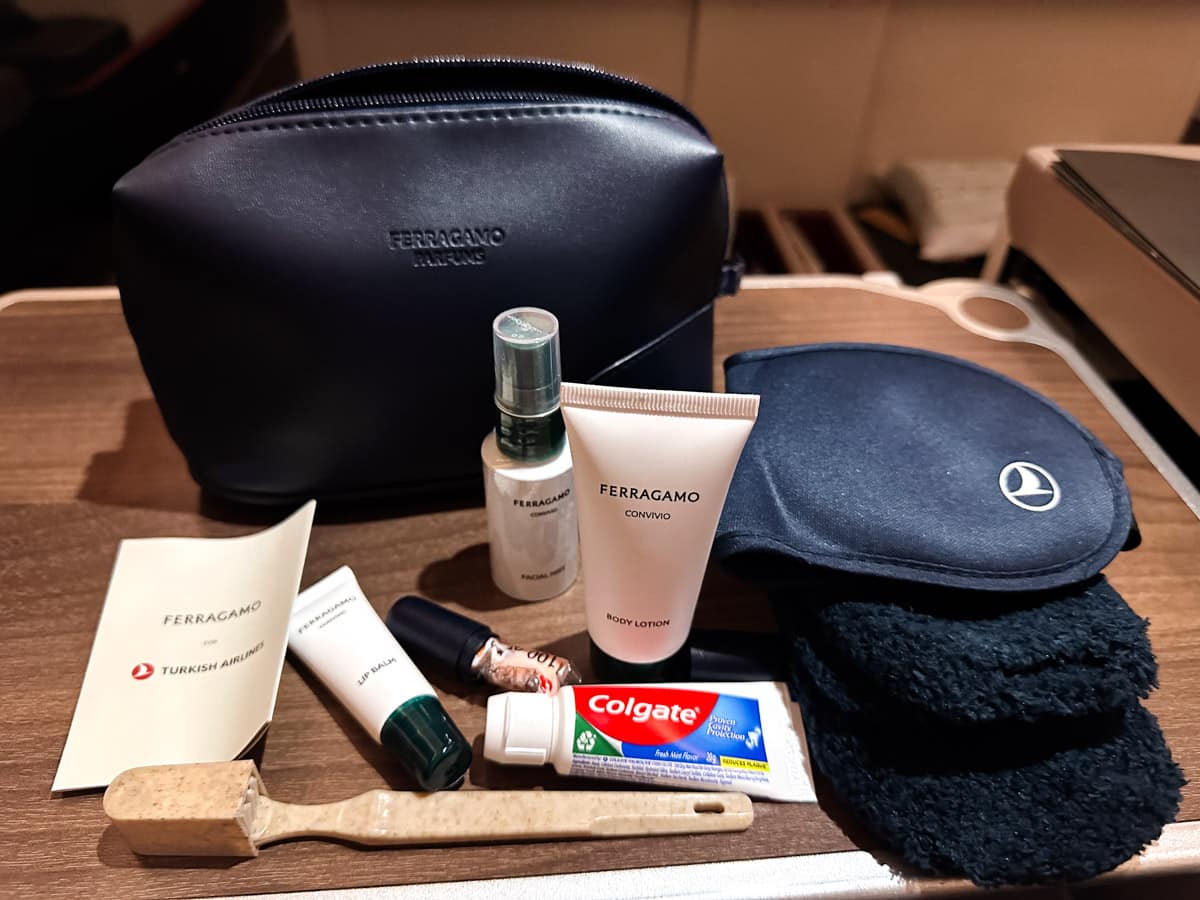
This isn’t the main reason you book business class, but it becomes important when you hit that dry-air feeling mid-flight and you want lip balm, or when you land and you want to brush your teeth before walking into the world.
It’s also a nice sign that the airline understands comfort is about a hundred little things, not one big thing.
Dining: Turkish’s Signature Strength
Turkish business class is famous for food, and this reputation is not random. Turkish often does food in a way that feels generous and thoughtful, and it’s one of the reasons people choose the airline even when other carriers have flashier seat designs.
So yes, the turkish business class menu is a big part of the experience.
The Overall Food Vibe: More Like Hospitality Than “Airline Meal”
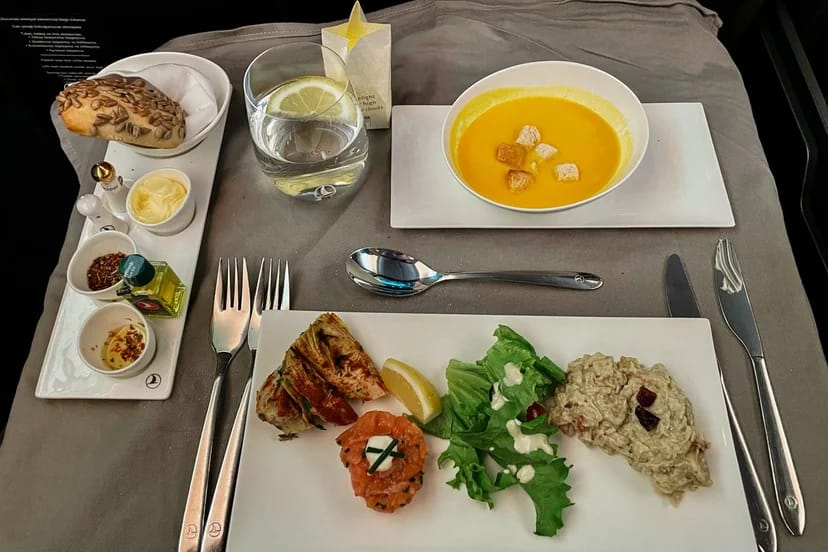
When Turkish gets it right, the meal feels like someone tried. Not just “here is a tray,” but an actual dining flow. You’ll often get multiple courses, warm bread, and options that feel closer to real cuisine than generic airline food.
Turkish also tends to do well with flavors. Meals can be well-seasoned, and there’s often a sense of variety in the menu.
The “Flying Chef” Factor
On some long-haul routes, Turkish includes a “flying chef” concept, which is part service, part presentation. It can add a premium feel, especially when the chef engages with passengers and explains the meal options.
But here’s the honest truth: the presence of a chef does not automatically mean every meal will be amazing. Catering still depends on route, airport, and supply chain realities.
What the chef concept usually does improve is the flow and the feeling of intention. It feels like a dining experience rather than pure logistics.
Menu Variety and Timing
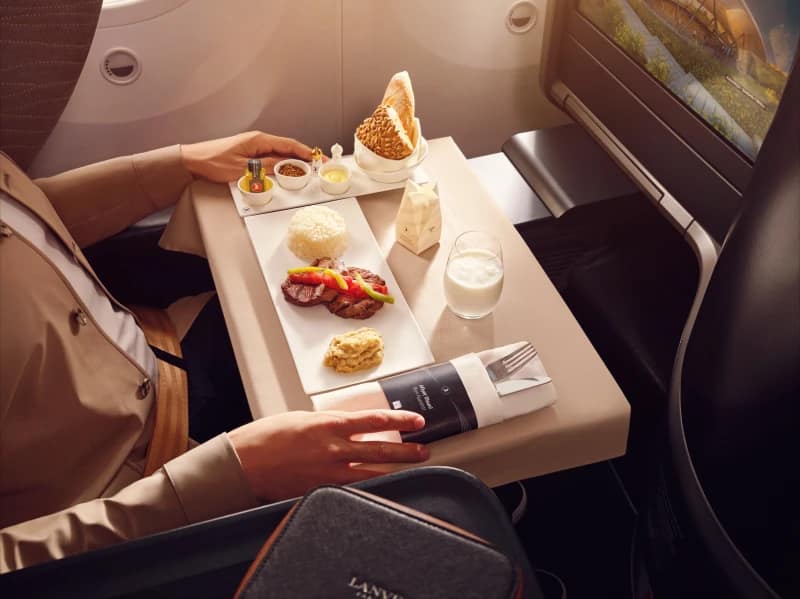
Turkish business class dining typically includes a main meal service after takeoff and another service before landing, especially on longer flights.
Between services, there may be snack options or lighter items. The exact availability depends on the route, but Turkish generally tries to make sure you’re not stuck hungry.
One thing people love is how generous Turkish can be with food. Portions can feel full, not stingy. If you like eating well on flights, Turkish often satisfies.
Drinks: The Quiet Luxury of “You Can Ask Whenever”
Drinks are not just about alcohol. It’s also about hydration, comfort, and control.
In business class, you can usually ask for sparkling water, tea, or coffee without waiting for a cart. That freedom matters more than people realize. It makes the cabin feel less restrictive.
Turkish also often has a strong tea and coffee culture onboard, and if you’re someone who likes a proper hot drink, this can be a very satisfying detail.
Service: Warmth, Efficiency, and the Human Factor
Turkish business class service often leans warm. You may feel more “taken care of” than on airlines where service is polished but distant.
The best flights have a natural rhythm:
- You’re welcomed warmly.
- Orders are taken without rushing you.
- Meals are served efficiently.
- The cabin is managed in a way that supports sleep.
- Crew check-ins feel helpful, not intrusive.
When you get a crew that’s on point, Turkish can feel genuinely premium.
But it’s still a human experience. Service can vary flight to flight. Most of the time it’s solid, sometimes it’s outstanding, and occasionally it can feel more routine.
The key is that Turkish tends to aim for hospitality as a brand identity, and you feel that more often than not.
Entertainment and Cabin Comfort: Screens, Headphones, and Atmosphere
Turkish business class usually provides a strong entertainment setup with a large screen and a wide selection of content. The interface experience can vary by aircraft, but the general goal is comfort and distraction.
Headphones are typically provided, and while they’re often decent, your own headphones may still be better if you’re picky about sound quality. Still, the provided pair usually works fine for movies and reducing cabin noise.
Cabin lighting and temperature management can also affect how premium the flight feels. When the crew manages the cabin well, dimming lights at the right time and keeping the environment calm, it becomes easier to sleep and relax.
Istanbul Connection: The Ground Experience That Can Make the Whole Trip
For many travelers, Turkish business class is not just about the flight. It’s about the Istanbul connection.
If you’re connecting through Istanbul, the lounge experience can be one of the biggest highlights. That’s why the turkish airlines lounge istanbul review topic is so popular.
Why the Istanbul Lounge Stands Out
A great lounge is not just “free snacks.” A great lounge is a reset button.
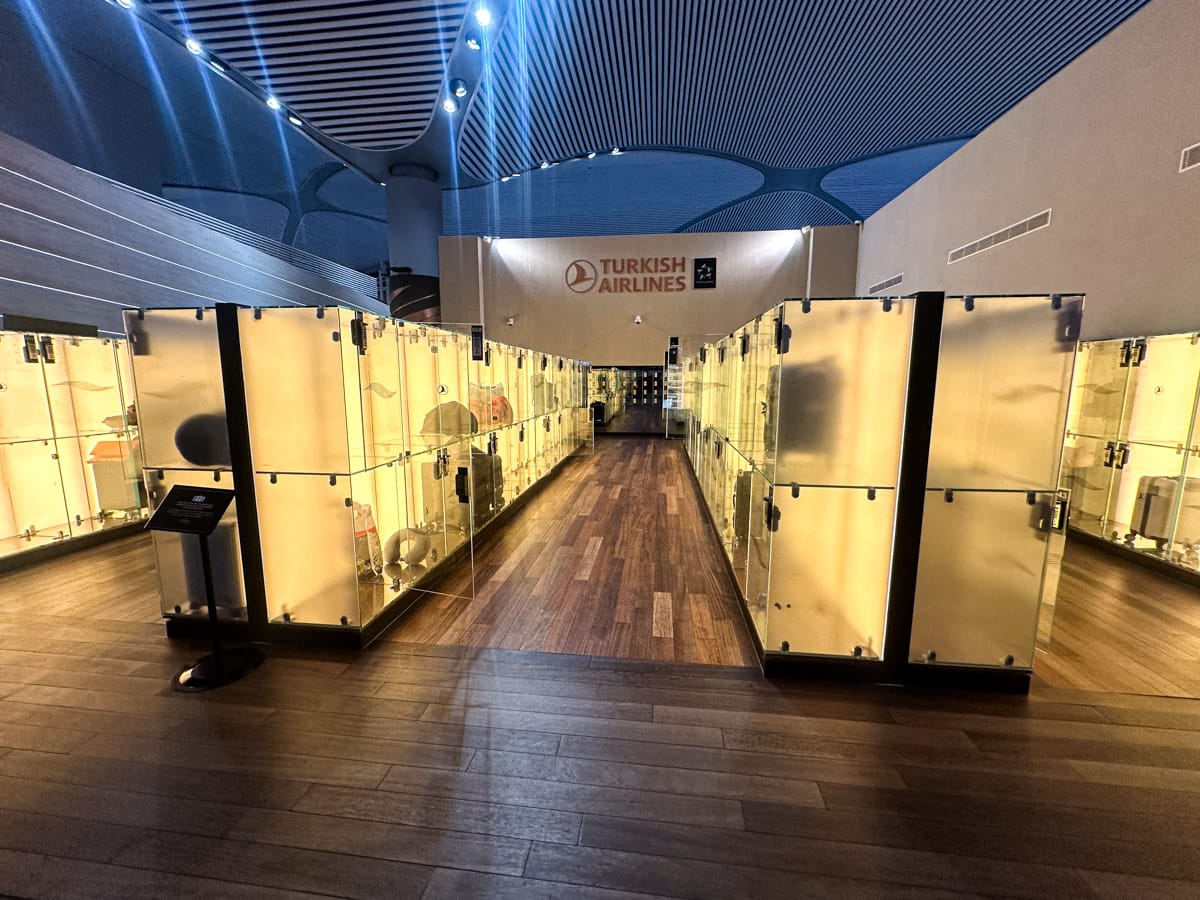
The Istanbul business lounge can feel like its own ecosystem. Food options can be extensive, spaces can be large, and the overall vibe can feel like you’re in a travel hub designed for comfort, not just waiting.
If you have a long layover, this matters. Instead of wandering the terminal tired and hungry, you can eat properly, rest, freshen up, and start your next flight feeling more stable.
Food in the Lounge: A Real Meal, Not Just Bites
Turkish lounges in Istanbul are often praised for offering real food options, including hot items and a variety of choices. The quality can feel higher than many standard airport lounges.
This is important because it changes how you approach onboard dining. If you eat well in the lounge, you can choose to sleep earlier on the flight. Or you can eat lightly onboard and avoid feeling too full when you’re trying to rest.
Space and Atmosphere
The lounge experience depends on crowding, and Istanbul can get busy. But even when it’s busy, the lounge can still feel more comfortable than the terminal.
Seating areas, quieter corners, and a sense of organization can make the time pass faster. If you’re a traveler who gets overstimulated in airports, lounges can be sanity-saving.
Showers and Freshening Up
If you’ve never taken a shower during a long journey, it’s hard to explain how much it helps. It’s not just about being clean. It’s about resetting your brain.
If you have time and access, a shower can turn a chaotic travel day into something manageable. You step into your next flight feeling more human.
That’s a big reason turkish airlines lounge istanbul review content tends to be so positive. Lounges are not just perks, they’re functional comfort.
Long-Haul Reality: How Turkish Helps You Arrive Better
Business class is not about pretending travel is effortless. It’s about reducing the damage.
Turkish business class can help you arrive in better shape because:
- You can lie flat and rest.
- You can eat more comfortably.
- You have more personal space.
- The service flow is usually calmer.
- The Istanbul lounge can act as a reset.
You still traveled across the world. You still feel the time change. But you’re less wrecked.
And for many travelers, that difference is the whole point.
Common Complaints You Should Know Before You Fly
A fair turkish airlines business class review has to include the things that annoy people, because knowing them upfront saves you from feeling blindsided.
Aircraft Inconsistency
This is the big one. Some people expect every Turkish business class seat to feel like a private pod. Then they end up in a denser layout and feel disappointed, even if the seat is still lie-flat.
If you care about seat privacy, check the aircraft and layout. It’s the most important booking detail.
Crowding at Istanbul
Istanbul can be busy. The lounge can be crowded at peak times. The airport energy can be intense if your layover lines up with major waves of departures.
None of this makes the experience bad, but it can reduce the “peaceful luxury” vibe. The smarter approach is treating the lounge as a comfort zone, not a silent spa.
Service Variation
Most crews are good. Some are truly excellent. Occasionally you can get a flight where service feels more rushed or more routine. It’s a reality of airline travel.
Turkish tends to aim for warmth, but you’re still flying with humans on different schedules, different days, different cabin moods.
Catering Variation
Turkish food is often praised, but it can still vary by route. Some flights feel like a dining highlight. Some feel like a solid airline meal with great presentation.
The best way to enjoy Turkish dining is expecting “usually good,” not “perfect every time.”
How to Get the Best Turkish Business Class Experience
You don’t need complicated hacks. You just need a few smart choices.
First, prioritize the seat layout you want. If direct aisle access matters, aim for that.
Second, use Istanbul strategically. If you have a layover, treat the lounge as part of your travel plan. Eat properly. Hydrate. Freshen up. Rest.
Third, decide what your priority is onboard: sleep or dining. Turkish makes both possible, but long flights feel best when you choose one as your main goal. If sleep is the goal, eat lighter and set up your bed early. If dining is part of the fun, lean into the full experience and sleep after.
Fourth, carry a small comfort kit even in business class. Lip balm, a soft layer, socks, and a sleep mask can make a noticeable difference.
Finally, keep expectations realistic. Turkish can be excellent, but the magic happens when you book the right aircraft and you approach the trip as comfort-focused, not perfection-focused.
Value: Is Turkish Business Class Worth It?
Value depends on what you personally care about.
If you care about service warmth and food quality, Turkish often feels like strong value. The experience can feel generous. The cabin mood can feel caring. The meals can feel like an event, not a necessity.
If you care most about the newest, most private seat design on every route, your value judgment may depend heavily on the aircraft you get.
If you’re connecting through Istanbul, value often increases, because the lounge and the overall system can make the journey smoother.
The best way to think about business class value is this: you’re paying for a better travel day. If arriving less tired matters to you, business class can be worth it even when the seat is not the flashiest in the world.
Who Turkish Business Class Is Best For
Turkish business class is a great fit for travelers who want a balanced premium experience.
It’s especially strong for:
- People doing long-haul connections through Istanbul.
- Travelers who value food and service as much as the seat.
- Anyone who wants a calmer airport and boarding experience.
- People who want rest without needing the most private suite design.
It might be less ideal for:
- Travelers who are extremely sensitive to cabin density.
- People who want direct aisle access as a non-negotiable feature on every aircraft.
- Anyone who wants a “silent, ultra-luxury” vibe instead of a warm, lively hospitality vibe.
None of this is a dealbreaker. It’s just about matching the product to your expectations.
Final Verdict: The Honest Take
Turkish Airlines business class can be a genuinely enjoyable way to fly long haul. When the seat layout is modern and the service is in rhythm, it feels premium in a warm, human way. The turkish business class menu experience is often a highlight, and the Istanbul lounge can make the connection feel like a reset rather than a chore.
The one thing you need to do is book wisely. Pay attention to the aircraft and the seat layout, because the turkish airlines business class seat experience is not identical across the fleet.
If you do that, Turkish can deliver a travel day that feels calmer, more comfortable, and far less punishing than economy.
FAQs
Is Turkish Airlines business class always direct aisle access?
Not always. Some aircraft have layouts where certain seats do not have direct aisle access. If this matters to you, check the aircraft and seat map before you book, because it changes the experience significantly.
How good is the food in Turkish business class?
Often very good, sometimes excellent, occasionally just solid. The turkish business class menu is usually one of Turkish’s strengths, especially if you enjoy flavorful meals and a more traditional hospitality feel.
What should I expect from the Istanbul lounge?
Many travelers rate it highly because it can feel like a real comfort zone during a layover. A good turkish airlines lounge istanbul review usually highlights the food variety, the space, and the ability to freshen up and reset before the next flight.
Is the amenity kit actually useful?
Yes. The turkish airlines amenity kit typically includes practical items that help with comfort and freshness on long flights, like skincare basics and toothbrush items.
Is Turkish business class worth it for long-haul flights?
If you value rest, better personal space, calmer service, and the ability to arrive in better shape, it can be worth it. It’s especially strong when your itinerary uses Istanbul well and you book a seat layout that matches your preferences.

Hi, I’m Bruno. I’ve worked in the aviation industry for over 6 years as a B1.1 Licensed Aircraft Maintenance Engineer. This blog is where I share insights on aviation and travel globally.