Everyone starts with the ranking and books the number one. That is backwards – the arrivals figure is a crowd map, not a verdict on your trip.
By now you have read a dozen of these lists, all sorted by the same arrivals number, and you still have no answer to the only question that matters: which of these cities deserves your money in 2026.
So look at the crowd, then let the crowd tell you what to do. Bangkok leads at 36 million projected arrivals, then London 33, Paris 30, Dubai 27, Singapore 24, New York 22, Kuala Lumpur 20, Tokyo 19, Istanbul 18 and Seoul 17 – a mid-range day runs from $85 to $280.
Ride a $5 ferry between two continents, stand in a free palace courtyard at 9am, eat a $5 hawker lunch, walk into a London museum that costs nothing. You will not need all ten. Pick the two or three that fit your budget and season, and make the one booking today.
Quick Tips Before You Start
Book the one that sells out
Louvre slots go 3 weeks ahead, Statue of Liberty ferry 4 weeks, Burj Khalifa sunset 2 weeks. Everything else can wait.
Take the airport train
Every city on this list has a rail link under $32; the $1.50 options (Bangkok, Singapore) are the best value of the trip.
Check the season first
Dubai in July is indoor-only and half price; London in August is 30% dearer. The month changes the trip more than the city.
Budget by city, not by day
A $95 Bangkok day and a $280 New York day are not the same trip. Split your week between one cheap and one expensive city.
Go at opening
Grand Palace at 8am, Gyeongbokgung at 9am, Shibuya Crossing at 7am. The crowd arrives an hour after you should.
1. Bangkok’s 36M arrivals crowd three districts, not the river
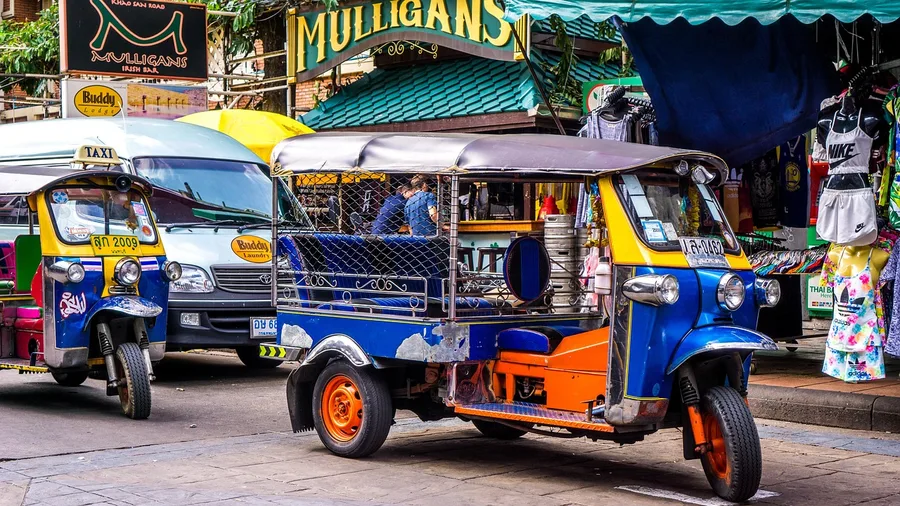
Bangkok is worth it if you know which three districts to avoid at midday.
The 36M projected for 2026 lands almost entirely in Sukhumvit, Khao San and Chatuchak, which leaves the river and Silom clear except for the hours everyone forgets. A 4-star on the river or in Silom runs about $95 a night, and the boat from the pier to the Grand Palace costs a couple of dollars and takes 15 minutes. From the airport, the Rail Link into town is $1.50. That number is the cheapest big-city day on this entire list, and the city runs year-round, so cheap-and-crowded is the whole bargain.
The hour that decides your Bangkok day is 8am. The temple gates at the Grand Palace open then, and by 10 the queue is 45 minutes deep in full sun, so be at the gate at opening or wait until after 3pm when the day-trippers have gone. If walkable streets or dry weather are what you need from a city, Bangkok will disappoint: it is a taxi-and-skytrain place, and July through October is monsoon.
💡 Tip: Take the Chao Phraya express boat rather than a taxi to the palace — the river route skips the traffic and costs a couple of dollars.
| City | 2026 arrivals (M) | Best months | Mid-range day | Book first |
|---|---|---|---|---|
| Bangkok | 36 | Nov–Feb | $95 | Nothing — go at opening |
| London | 33 | May–Jun, Sep | $240 | Tower of London, 2–3 weeks |
| Paris | 30 | Apr–May, Sep–Oct | $230 | Louvre slot, 3 weeks |
| Dubai | 27 | Nov–Mar | $220 | Burj Khalifa sunset, 2 weeks |
| Singapore | 24 | Feb–Apr | $210 | Nothing fixed |
| New York | 22 | Apr–May, Sep–Oct | $280 | Statue ferry, 4 weeks |
| Kuala Lumpur | 20 | May–Jul | $85 | Petronas bridge, 1 week |
| Tokyo | 19 | Mar–Apr, Oct–Nov | $180 | teamLab, 2 weeks |
| Istanbul | 18 | Apr–May, Sep–Oct | $90 | $5 ferry, same day |
| Seoul | 17 | Apr–May, Oct | $150 | Nothing — palace is free |
2. Free museums absorb London’s crowds; book only the Tower
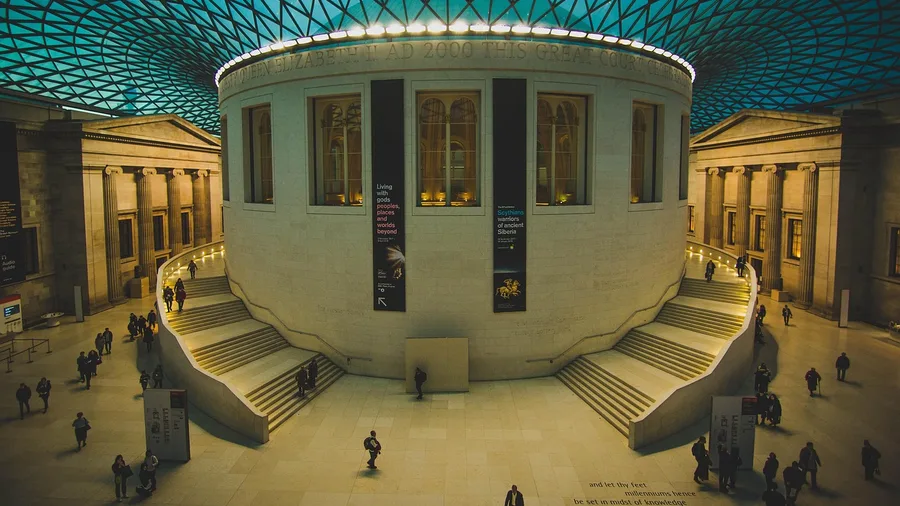
Two things, and neither is a museum. The second-largest arrival figure on this list, 33 million, spreads over a city an hour wide, so no single neighbourhood ever becomes the place the volume gathers.
The pressure goes into the free rooms instead: the British Museum, Tate Modern and the National Gallery ask nothing at the door, and they swallow the peak that would otherwise queue somewhere with a turnstile. Book the Tower of London (about $40) and one West End show, both gone two to three weeks out in summer. May, June and September are the drier, cheaper months; August runs about 30% dearer. Heathrow Express is $32 and a mid-range day lands near $240. Skip London if you need guaranteed sunshine – the rain is simply the admission fee for a city you walk.
💡 Tip: The free museums are busiest from 11am to 3pm — go at 10am opening or after 5pm on a late night.
3. The Louvre slot decides Paris, not the Eiffel Tower
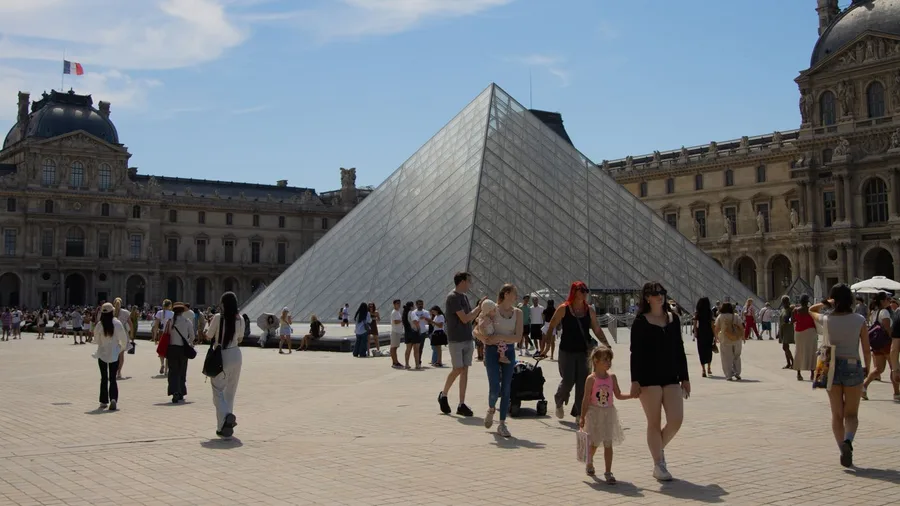
London lets you leave the calendar blank; Paris does not, because 30 million arrivals are all aimed at the same three rooms. The Louvre releases timed slots about three weeks ahead at $24, and the choice that matters is the 9am entry against the Wednesday or Friday 6pm late night – the same corridors, half the shoulders in your face.
The Eiffel Tower is the opposite kind of decision. Take the stairs at roughly $14 rather than the lift, because the staircase queue runs about half as long, and the view from the second platform is the one the trip gets remembered by anyway. Book that for late afternoon and stay as the lights come on.
April, May, September and October are the months worth aiming at. August empties the city of Parisians but closes plenty of the small shops with them, and the RER in from CDG costs $12. Expect around $230 a day, third-highest on this list – that premium is what the 30 million charges for standing in the good rooms. Skip Paris if cheap is the brief.
⚠️ COMMON MISTAKE
The biggest booking mistake
Arriving at the Louvre or the Statue ferry without a slot and hoping. In peak season you lose half a day to a queue you could have skipped with a three-week-old booking. Reserve the timed entry before you book the flight.
4. Dubai only works November to March; summer halves prices

27 million arrives in Dubai in 2026, and nearly all of them come between November and March. Those dates are not a preference you weigh against the price. They are the plan.
July and August push the thermometer to 105F, and the outdoor city stops existing. Hotel rates fall about 50% below the winter norm, which sounds like a bargain until you realise you have booked a holiday of air-conditioned malls and taxi transfers between them. A cheap Dubai summer is not a cheaper Dubai, it is a different trip.
Mid-range runs about $220 a day. The Dubai Metro takes you from the airport for $2, a taxi about $12, and a metro day pass at $5 covers the malls and the creek for the whole day.
The Burj Khalifa is the booking that matters and it holds two weeks out at roughly $45 for the sunset deck. The move is to choose the 4pm slot, and then not leave when the sun goes down. You stand on the same ticket and watch the city turn to lights below you, daylight to dark without a second admission. Most visitors book the later slot and pay the same for half the show.
Here is the honest part. Dubai is a car-and-mall city, and if you are travelling for walkable old streets and neighbourhood wandering, this is not your stop. November through March it works for everyone else, and outside those months it works only if you accept that the city moves indoors and stays there.
The numbers that decide the trip
Four figures from this ranking worth remembering
5. Singapore’s 24M spread thin, so three nights suffice
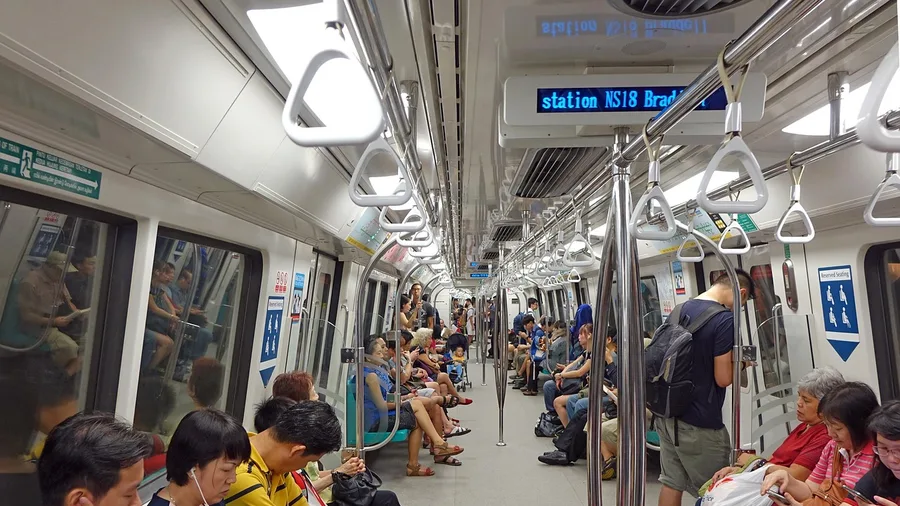
Step out of Changi at midnight and the air is warm and wet against your face, the smell of frangipani and rain-soaked concrete, and it stays that way all year.
That year-round 24 million is why the island, 30 miles across, never funnels into one gate the way a single big attraction does. The MRT from the airport costs about $1.50 and the crowd simply spreads across the network – no one queue to beat, no timed slot worth booking. Three nights covers the city; five only makes sense if you tack on a beach.
The history lives in the shophouse rows of Chinatown and Kampong Glam, and it lives most vividly in a hawker centre at lunch, where a plate of chicken rice and a lime juice cap out around $5. That is the honest split in the $210 day rate: the beds and the bar tab drive the bill, not the food, so the eating stays cheap even when the hotel does not. February to April is the dry window; November to January brings the monsoon and the crowds together, the worst of both. Skip Singapore if cheap is the whole goal – hotels and alcohol are what make it pricey.
💡 Tip: Eat at a hawker centre with a queue of locals, not the one with the empty tables — the queues move in under ten minutes.
6. New York’s Statue queue has a free boat alternative
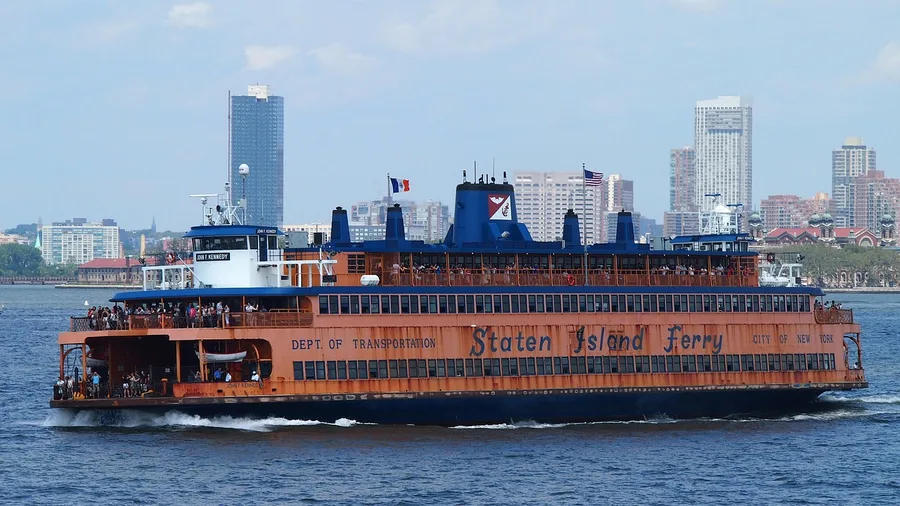
The ferry to the Statue of Liberty is not a two-hour trip. It is two hours of boat and security once you are through, and half a day before that if you did not book.
That is the funnel in New York’s 22 million: not a district, not a museum slot, one harbor queue with a security line in front of it. Reserve the official ferry around four weeks out at about $25, or write off the afternoon. This is also the most expensive city of the batch at $280 a day, before you have paid for anything but the bed and the subway.
Here is the move. The Staten Island Ferry is free, leaves every 30 minutes, runs past the statue on its way out and back for the photo, and skips the ticketed security line entirely. Walk on, ride the harbor, walk off. Same water, no ticket, no queue – the doing replaces the paying, and you still get the shot with the copper lady against the skyline.
Time your visit for April to May or September to October. December is lights and crowds and roughly 40% higher hotel rates. From JFK, AirTrain plus subway runs about $11 into the centre. Skip New York if quiet or cheap is on your list – $280 a day is the ceiling of this ranking and the crowds keep pace with it.
Statue of Liberty: paid ferry vs free ferry
Paid Statue ferry
- Security screening starts at Battery Park, not the boat
- Miss your slot and you rebook, not reboard
- Crown access is a separate ticket and sells out first
- Island time is yours; the return boat is not
Free Staten Island Ferry
- No ticket queue, but the 30-minute headway is the wait
- Stand on the right side outbound for the statue
- Stay aboard at St George or walk off and reboard
- Best light is late afternoon; morning is haze
7. Kuala Lumpur is the cheap hub, not a checklist
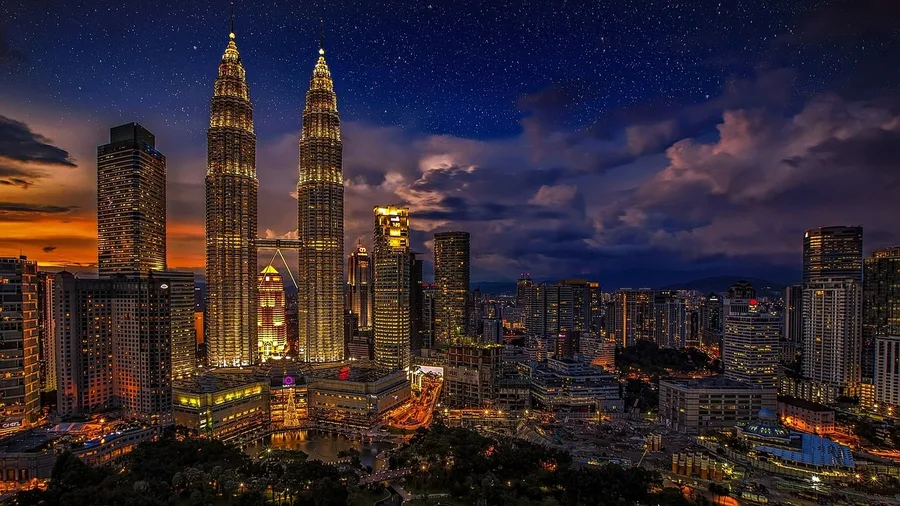
You step off the KLIA Ekspres into a station that smells faintly of rain on hot concrete, and the ride in cost you $13 – not the $32 a Heathrow train takes out of your pocket.
Kuala Lumpur sits seventh on this list at 20M arrivals, but it holds the title nobody else can claim: the cheapest full day of the ten at $85, and that figure includes a four-star bed. Fly straight through and you skip the one city in the ranking that lets you bank the savings before the expensive legs begin. AirAsia launches out of here to Borneo, Bali and Thailand for under $60 a seat, which makes KLIA less a destination than a launchpad you actually want to sleep beside.
Two nights does it. Book the Petronas Towers skybridge a week ahead – $25, a timed slot, and the walkway between the two shafts is short enough to feel vertiginous – then give the evening to Jalan Alor, where the food street runs on smoke, woks and plastic stools until late. After that, leave. May through July turns hazy and the skyline goes soft at the edges. If your trip needs a week of sights, this is a base, not the week itself.
💡 Tip: The Petronas skybridge ticket is timed and sells out a week ahead in school holidays — book online before you land.
8. Tokyo rewards 7am starts; book teamLab, skip the crossing
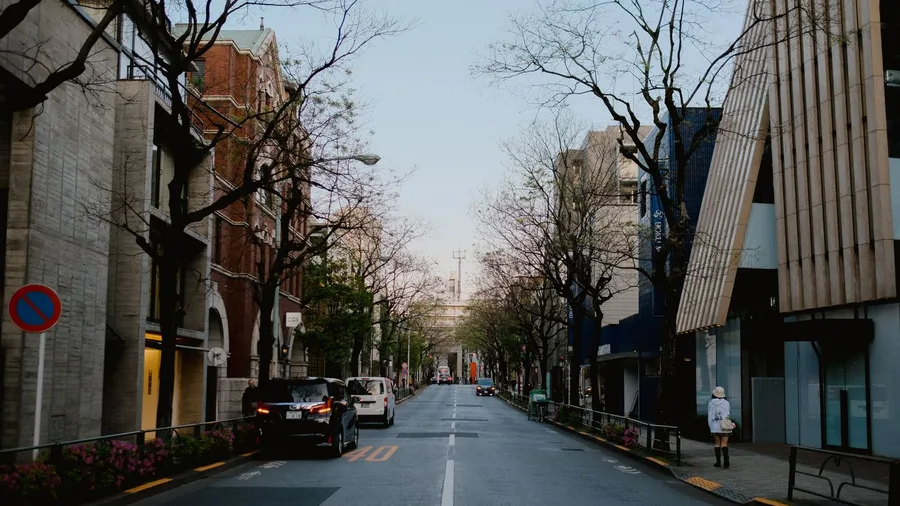
The cheapest way to see Tokyo is to see it early. At 7am the pavements belong to delivery bikes and the odd jogger, and the 19M projected to land in the city in 2026 arrive around mid-morning and never leave the afternoon to anyone who slept in. Book teamLab and the Ghibli Museum two weeks out, around $22 and a date that moves fast, and book nothing else; those are the two rooms on this list that sell out, and everything else in Tokyo takes walk-ups. The Shibuya scramble is a junction with a famous name and a crowd that only creates the spectacle people came for. Turn up at 7am and it is a green light you cross in nine seconds, or watch the whole thing from the Starbucks window above with a coffee and the same view everyone is queueing on the pavement for.
Now the season. Cherry blossom in March and April loads a 30% premium onto hotels that are already the second-most expensive nights on this list after the one at the bottom of it, and the bloom window is three weeks you cannot pin down in January. October and November are drier, cheaper and quieter, and at $180 a day you are paying for a city that opens at dawn and asks you to meet it there, which is why the cheap trip wants fewer nights and earlier mornings rather than the other way round. The Narita Express into town runs about $20, and if a long multi-city rail trip is not the plan, skip the JR Pass, which only earns its price across several cities. Come for $85 a day somewhere else if the budget rules; come here in autumn if the mornings do.
🌅 A Tokyo day built around the crowds
7am
Cross Shibuya and take the photo before the scramble fills.
9am
Walk Meiji Jingu's forest approach while it is still cool and quiet.
11am
TeamLab on a timed slot you booked two weeks ago.
2pm
Eat lunch in a department store basement floor as the outdoor city peaks.
5pm
Ride the Yamanote loop to your evening district and let the rush pass.
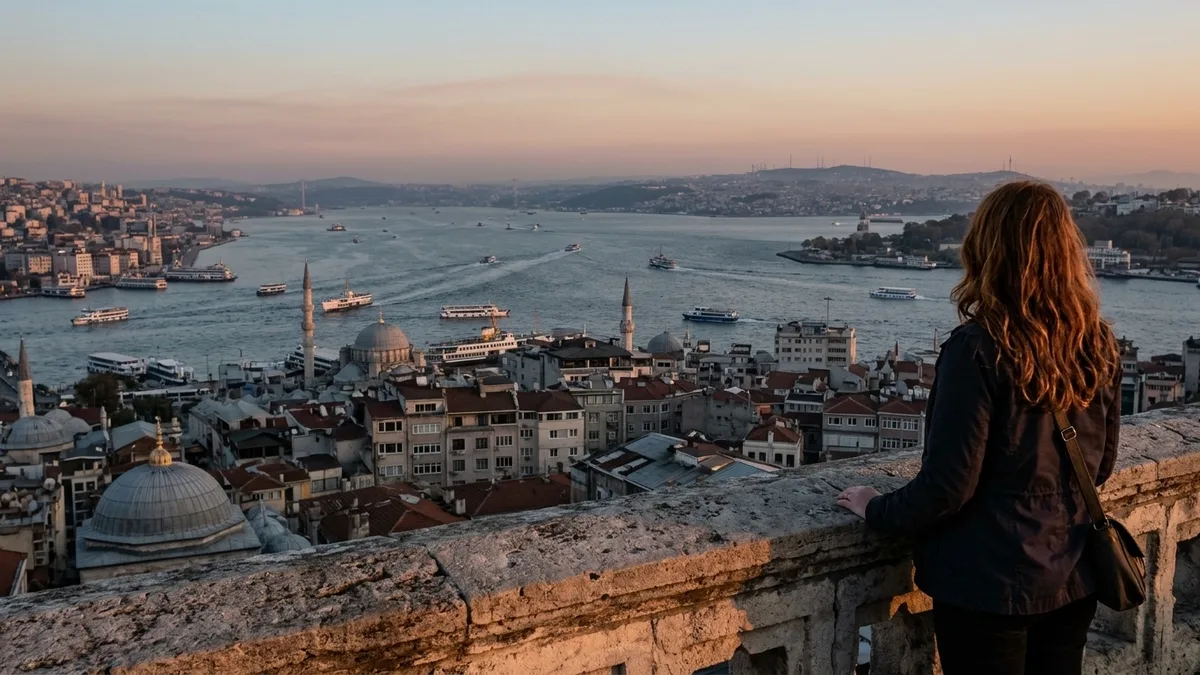
9. Istanbul’s $5 ferry is the whole two-continent trick
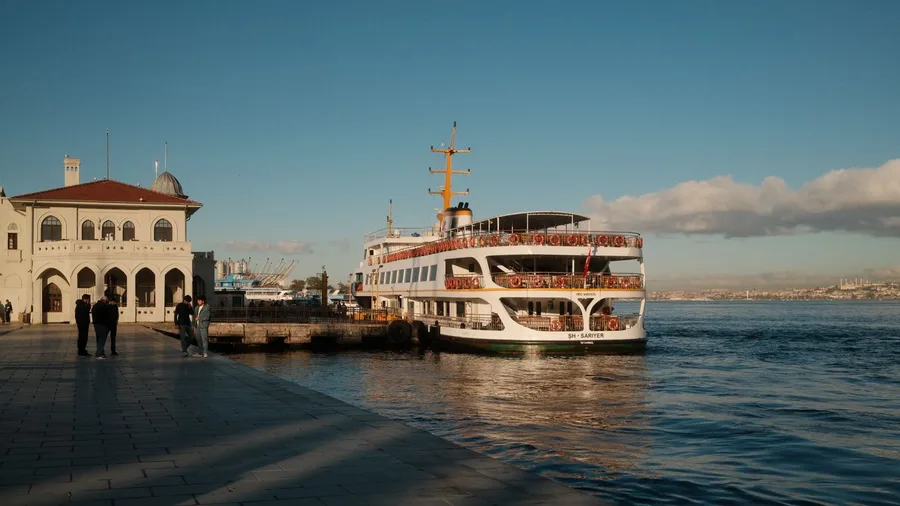
The ferry’s horn goes as the hull pulls off Eminonu, diesel and saltwater mixing with the smell of grilled corn from the dock, and the call to prayer from the Sultanahmet mosques fades behind you while the water widens toward the Black Sea.
Istanbul ranks ninth at 18M arrivals and costs $90 a day, second-cheapest here; the Havaist bus from the airport drops you in the centre for $5. That same $5 buys the public Bosphorus ferry, which runs the same route the $30 tourist cruise does – Europe on one bank, Asia on the other, two continents for the price of a city bus. Anyone who has solved a city by choosing the right hour will recognise the move here: it is not a ticket to beat the crowd, it is a $5 boat that replaces one.
Hagia Sophia is free and the queue runs about 40 minutes, so be there at the 9am opening or slip in through the 1pm prayer gap. Aim for April-May or September-October; August is hot and the Grand Bazaar shuts on Sundays. And come for a beach, not a walking city, and you will be disappointed – the $90 day assumes you cover the hills on foot.
💡 Tip: Sit on the right-hand side heading north on the Bosphorus ferry — the palaces and the Rumeli fortress are on that bank.
10. Seoul’s free palace is empty at 9am, packed by 10
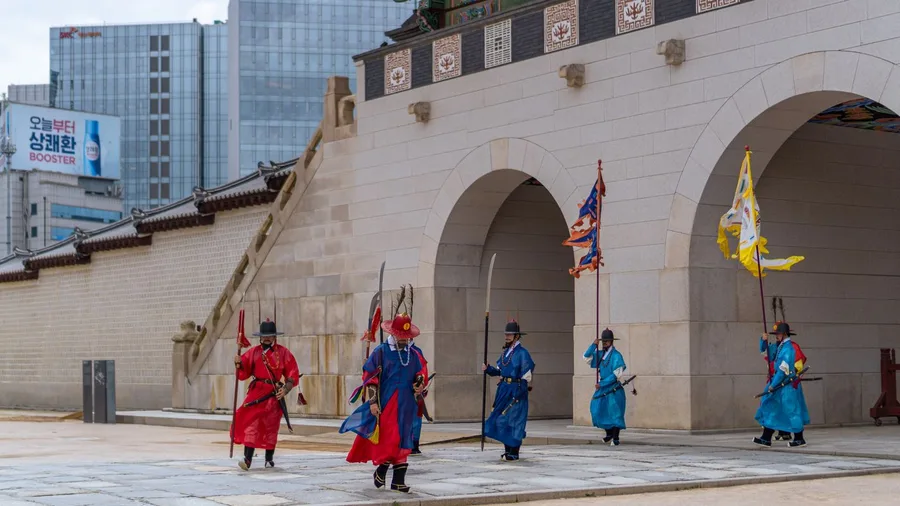
Gyeongbokgung costs nothing to enter, and that is the trap. At nine the palace gates and the long stone courtyards are close to empty and you can hear your own feet; by ten, when the guard change pulls everyone into the same square, you are shoulder to shoulder with a tour group holding a selfie stick. Go at nine and stay for the ceremony. Incheon’s AREX train runs into the centre for around 7 dollars, and April to May or October are the months to pick; July and August are monsoon, and every palace worth seeing here is outdoors.
Gwangjang market fixes dinner for 8 to 12 dollars, which is why the math works for a family on a budget and fails for anyone chasing a week of sights. This city suits you if you want cheap food, fast trains and one free morning done right, and suits you badly if it is the whole trip or the weather has to cooperate.
Frequently Asked Questions
Is the most-visited city actually the best one to visit?
Not automatically. Bangkok’s 36 million is the highest figure here, but it is also the cheapest big-city day at $95, so the volume spreads across three districts rather than a single gate. A lower number like Seoul’s 17 million can mean a different bottleneck — one free palace at one hour — not an easier city.
How far ahead should I book the big attractions?
Four weeks for the Statue of Liberty ferry, three for the Louvre, two to three for the Tower of London and the Burj Khalifa, two for teamLab, one for the Petronas bridge. Gyeongbokgung is free and needs no booking. Book the timed slot before you book the flight, not after.
Which of these ten is the cheapest trip?
Kuala Lumpur at about $85 a day including a 4-star hotel, then Istanbul at $90 and Bangkok at $95. Pair KL and Bangkok if you want the cheapest week that still includes two cities — the AirAsia hop is under $60.