*We partner with bada$$ companies that offer products that help our readers achieve their goals! If you purchase through our partner links, we get paid for the referral at no additional cost to you! Please read our disclosure for more info.*
Recent year end data for 2025 shows violent crime and carjackings in major US cities dropped significantly. Homicides fell 21 percent. Carjackings dropped 43 percent. Motor vehicle thefts decreased by 27 percent. This makes 2026 an excellent time to hit the road.
But traveling alone still brings up valid safety concerns. Long stretches of highway can cause planning anxiety. You want to enjoy your trip without constantly worrying.
You will learn 15 highly practical ways to protect your physical safety. We will secure your digital identity. We will also prepare your vehicle for the miles ahead.
Mastering safe solo travel USA is completely possible. Let us look at the best ways to ensure traveling across America safety this year.
1. Check Your Tire Tread and Pressure
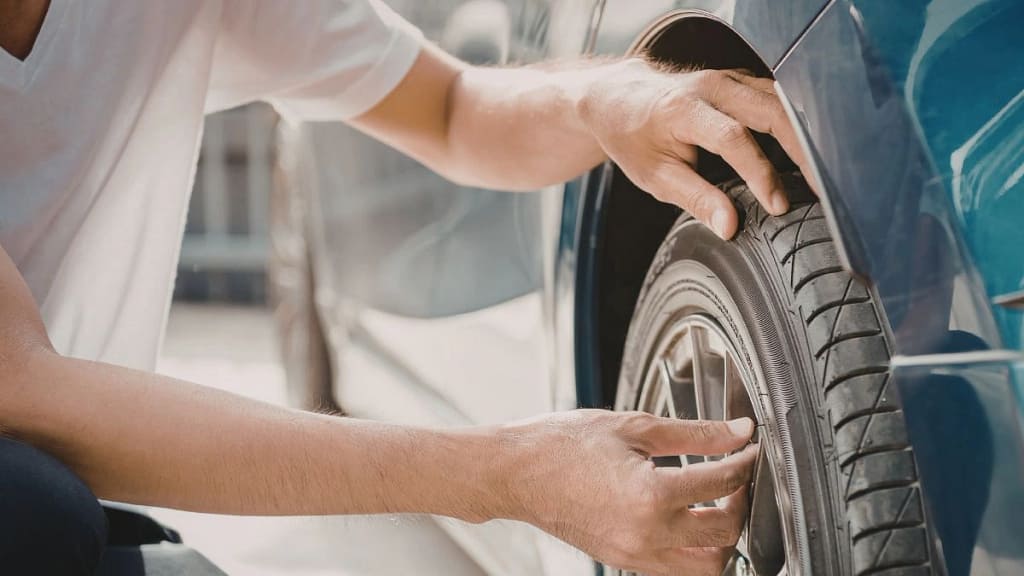
A safe trip starts with reliable tires. Underinflated tires cause edge wear. Overinflated tires cause center wear. Find the correct tire pressure on the driver side door jamb. Check this pressure every morning before you drive. Poor tire health leads to blowouts on fast highways.
- Buy a digital tire pressure gauge.
- Look for nails or screws in the tread.
- Check the pressure of your spare tire too.
- Replace tires if the tread looks bald.
2. Test All Engine Fluids and Wipers
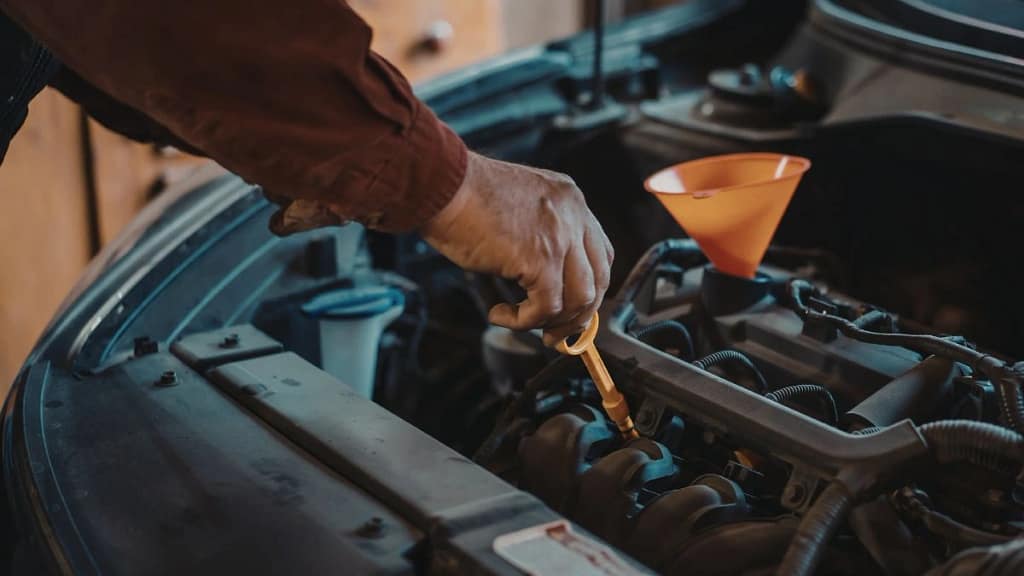
Your engine works hard on long trips. Check your oil and engine coolant levels before you leave home. Test your transmission fluid to prevent gear slipping. Replace old wiper blades and top off the windshield fluid. This guarantees clear vision during unexpected storms or bug heavy drives.
- Pack extra windshield washer fluid in your trunk.
- Check oil levels when the engine is warm.
- Look under the car for fresh fluid leaks.
- Keep a spare quart of engine oil just in case.
3. Know How to Handle a Breakdown
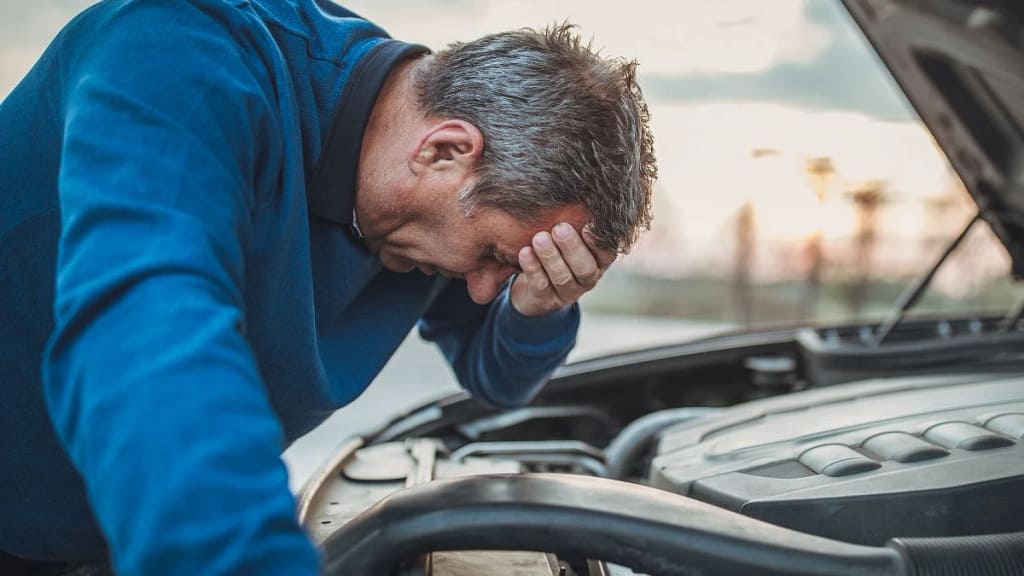
Car trouble happens to everyone eventually. You must know exactly what to do if your engine fails on a busy highway. Pull far over onto the right shoulder immediately. Turn on your hazard lights so other drivers see you. Stay inside your locked car while you wait for a tow truck.
- Keep a bright reflective triangle in your trunk.
- Save the number for roadside assistance on your phone.
- Never stand behind your car on a busy road.
- Keep a warm blanket and water in the back seat.
4. Download a Silent Panic Button App

Your phone is your best defense tool when traveling alone. Download the Noonlight app before you leave your house. This safe travel app acts as a silent panic button in emergencies. It alerts local authorities and shares your exact location. You get help without ever needing to speak.
- Keep the app icon on your home screen.
- Test the app before your trip starts.
- Keep your phone battery charged above fifty percent.
- Memorize how to activate the emergency SOS on your phone.
5. Share Your Route with Family

Give your family complete peace of mind while you drive across the country. Use the Life360 app to share your live location. Setting this up is one of the best solo road trip safety tips. Your trusted contacts can see exactly where you are at any time. You never feel completely alone.
- Create a simple daily check in schedule.
- Share your exact hotel addresses with one friend.
- Tell someone if you change your driving route.
- Give a spare set of car keys to your emergency contact.
6. Put Trackers in Your Luggage
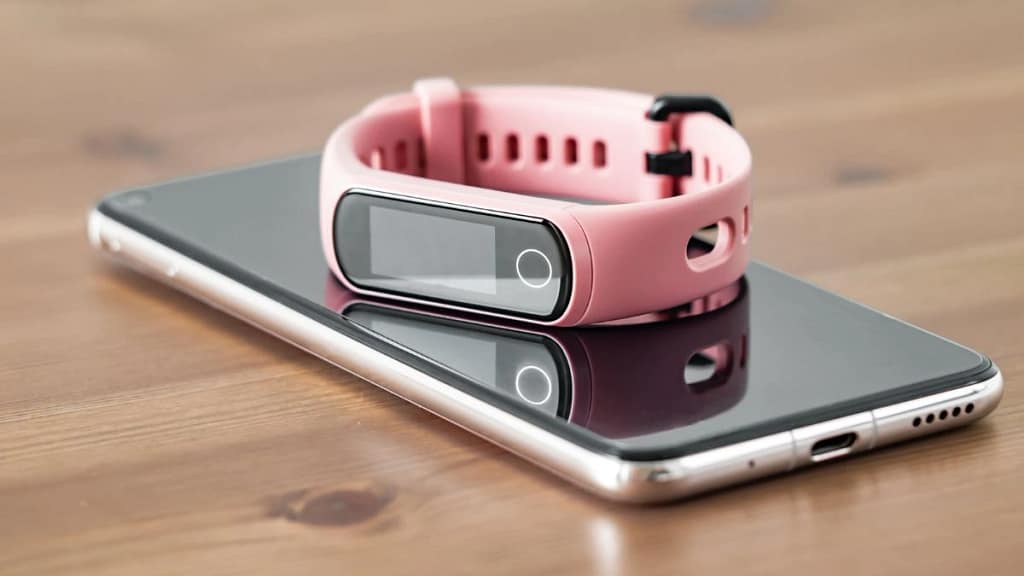
You need to protect your physical belongings from theft or loss. Place Apple AirTags or Samsung SmartTags deep inside your main suitcases. You will always know exactly where your bags are if an airline loses them. This also helps you find stolen bags quickly.
- Hide the tracker inside a zippered pocket.
- Check the tracker battery before you pack.
- Put one tracker in your day backpack.
- Name each tracker in your app so you know which bag is which.
7. Use a VPN on Hotel Wi Fi
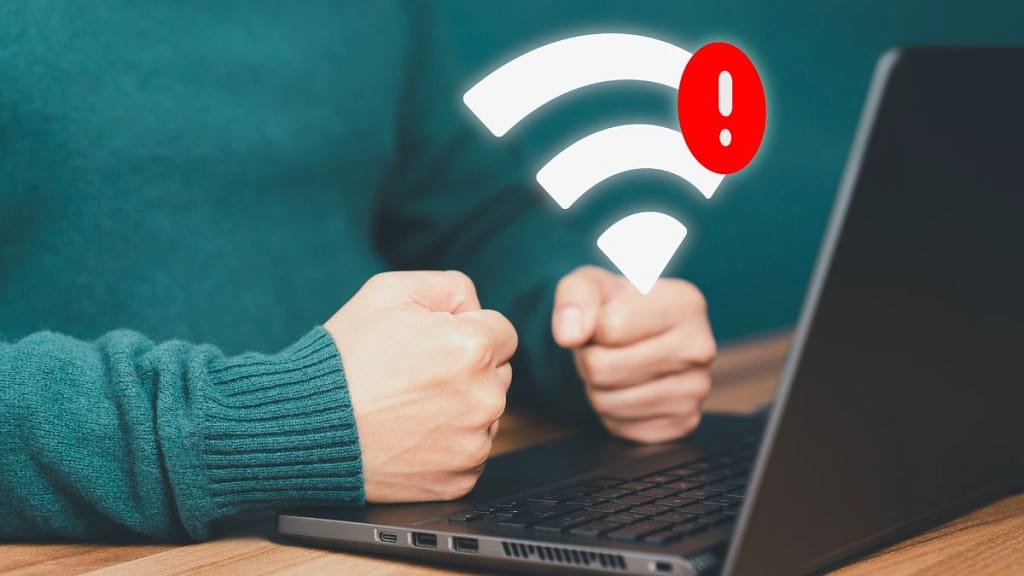
Public internet is an invisible threat at cafes and hotels. Hackers easily steal data on these open networks. Turn on a VPN like SurfShark to hide your personal bank logins. This simple app blocks digital thieves from seeing your private data. It scrambles your internet connection completely.
- Turn the VPN on before opening any bank app.
- Never buy things online using free hotel internet.
- Set your VPN to connect automatically.
- Turn off your phone Wi Fi when you are driving.
8. Avoid Public USB Charging Ports
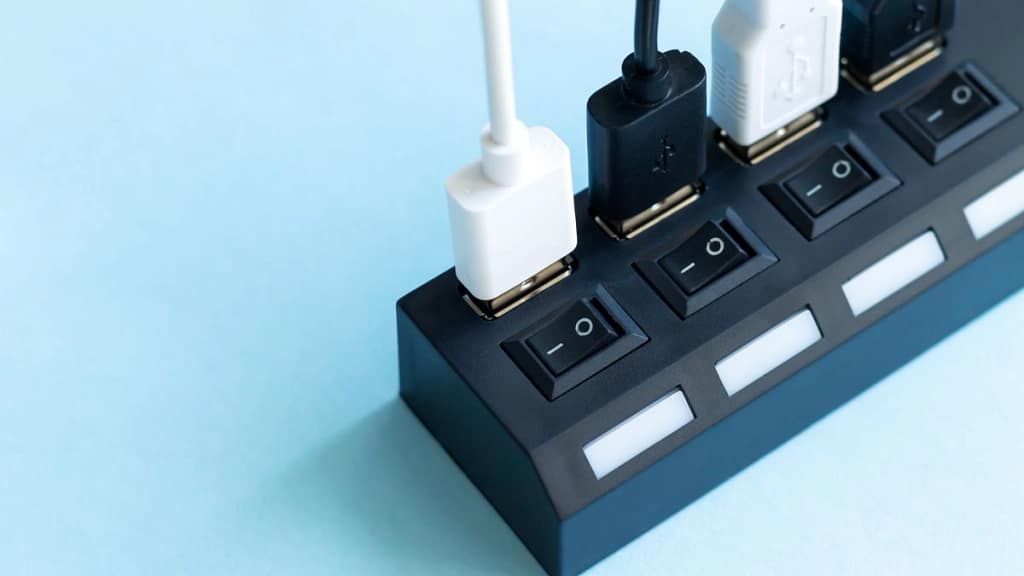
Criminals modify open USB charging ports at airports to steal your passwords. This hacking method copies your data the moment you plug in. Never plug your phone directly into these public stations. Carry your own portable power banks to charge your devices safely. You can also use a standard wall plug.
- Pack two fully charged power banks.
- Buy a data blocker adapter for your USB cords.
- Plug your own charging block directly into a wall outlet.
- Charge your phone fully inside your locked hotel room.
9. Stop Sharing Your Real Time Location
You must keep your current location private from strangers online. Never share your live location on social media accounts. Do not post your hotel name or room view until you check out. Post your vacation photos only after you leave a city. This prevents bad actors from finding you.
- Turn off location tagging on your camera app.
- Make your social media profiles private during the trip.
- Wait two days before posting your favorite pictures.
- Never tag the specific restaurant you are currently eating at.
10. Carry an RFID Blocking Wallet
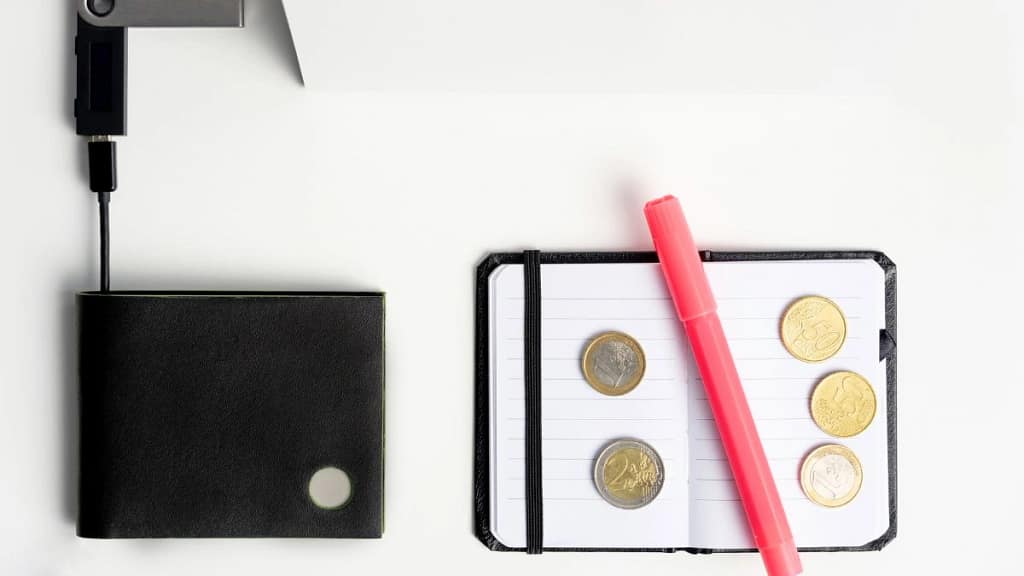
Digital thieves can scan your credit cards right through your pocket in crowded places. An RFID blocking wallet stops this electronic signal. It protects your financial data completely while you walk around busy tourist spots. This small upgrade saves you from massive credit card fraud.
- Keep the wallet in your front pocket.
- Test the wallet before you travel.
- Buy a blocking sleeve for your passport.
- Leave extra credit cards at home.
11. Separate Your Cash and Credit Cards
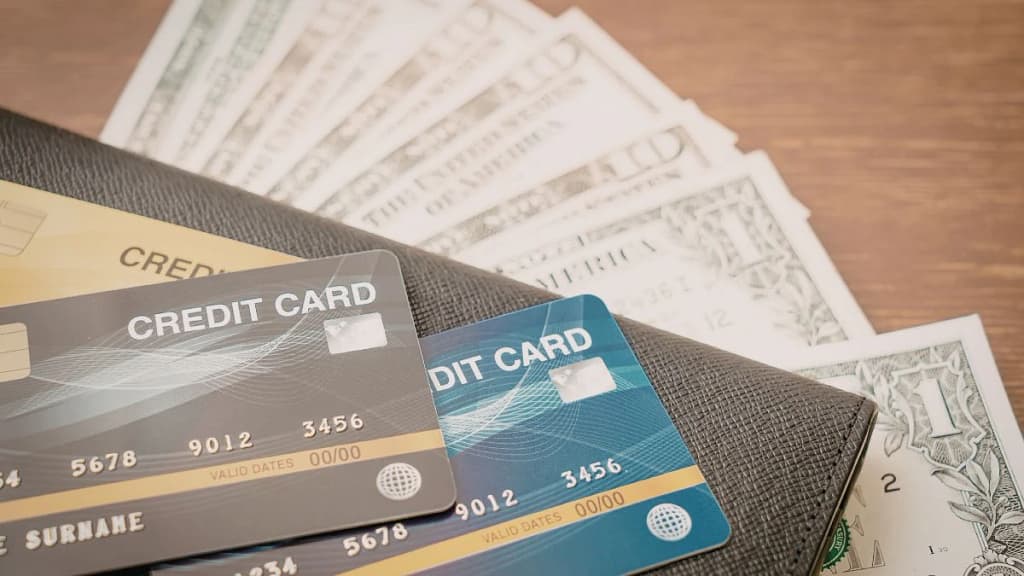
Never keep all your money in one single place. Keep a small amount of cash in your main wallet for daily snacks. Hide your backup credit cards and extra cash in a secure spot inside your locked luggage. This ensures you still have money if someone steals your wallet.
- Hide a fifty dollar bill in your shoe or sock.
- Use the hotel safe for your backup credit cards.
- Keep an emergency twenty dollar bill in your car glovebox.
- Never flash large amounts of cash at gas stations.
12. Secure Your Room with a Portable Lock
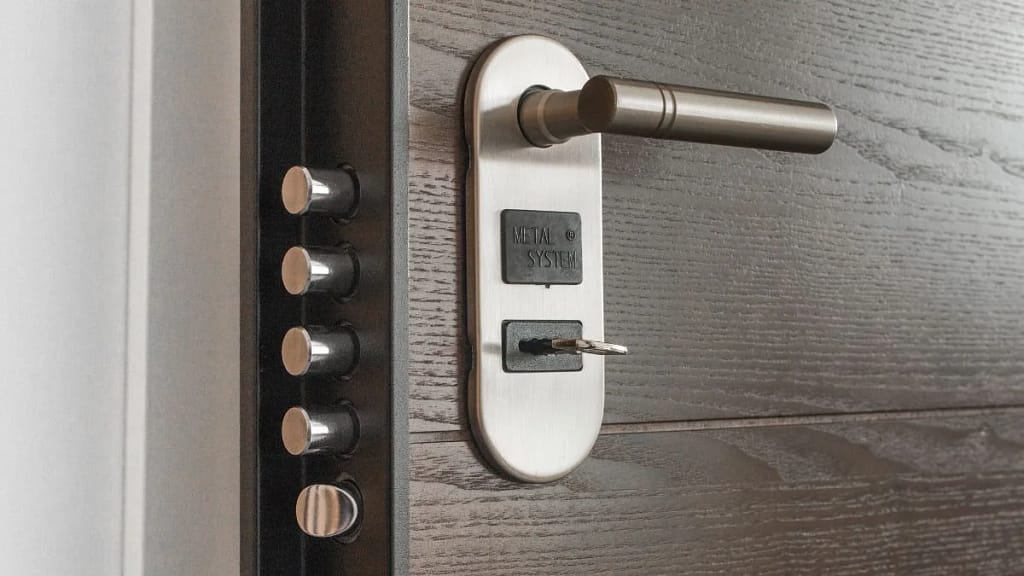
You must secure your valuables once inside a hotel room or short term rental. Slide a portable metal lock into the door frame before you go to sleep. It stops anyone with a master key from entering your room unexpectedly. This cheap tool provides incredible safety for solo travelers.
- Engage the deadbolt and the metal chain lock.
- Place a rubber door stop under the inside handle.
- Never open the door for unannounced hotel staff.
- Keep your car keys right next to the bed.
13. Follow the Two Hour Rest Rule

Driver fatigue is a massive danger on long highway stretches. Staying awake for 18 hours equals a blood alcohol level of 0.08 percent. Take a break every two hours to stretch your legs and rest your eyes. This simple habit keeps your mind sharp and prevents highway hypnosis.
- Walk around your car twice during every stop.
- Drink plenty of cold water to stay alert.
- Switch to an engaging podcast if you feel sleepy.
- Pull over and take a twenty minute nap if your eyes get heavy.
14. Keep Your Head Up While Walking
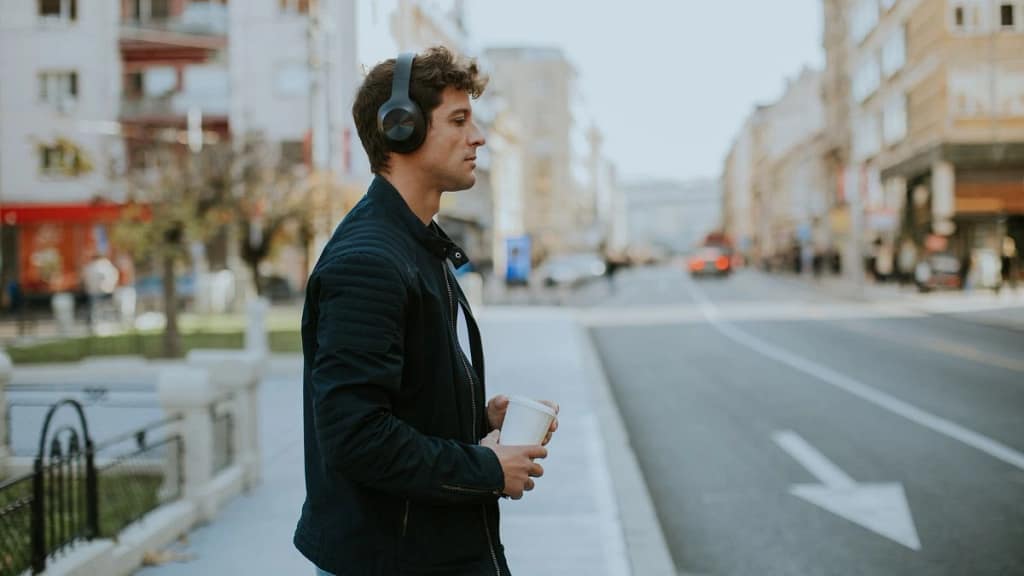
Distraction is a traveler’s biggest enemy in a new city. Do not stare down at your phone map on the sidewalk. Look around and walk with a steady purpose. Walking with confidence deters bad actors from approaching you. You blend in better when you observe your surroundings.
- Memorize your next three turns before leaving the car.
- Wear sunglasses to hide exactly where you are looking.
- Keep one earbud out so you can hear people behind you.
- Step inside a store if you need to check your phone map.
15. Map Out Hospitals and Pack First Aid
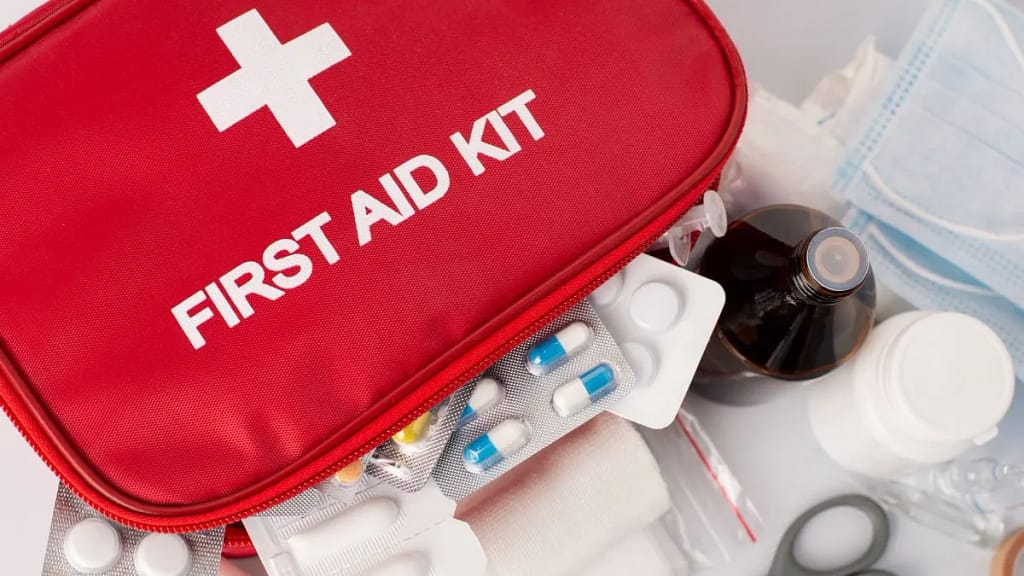
Plan for sudden health emergencies before they actually happen. Find local urgent care clinics before you arrive in a brand new city. Pack a custom medical kit with backup prescriptions so you never run out of medicine. Knowing where to get help quickly reduces travel anxiety.
- Keep your health insurance card in your front wallet.
- Pack bandages and antibiotic ointment in a small bag.
- Bring pain relievers and stomach medicine from home.
- Save the local hospital address in your phone map.

Hi, I’m Bruno. I’ve worked in the aviation industry for over 6 years as a B1.1 Licensed Aircraft Maintenance Engineer. This blog is where I share insights on aviation and travel globally.